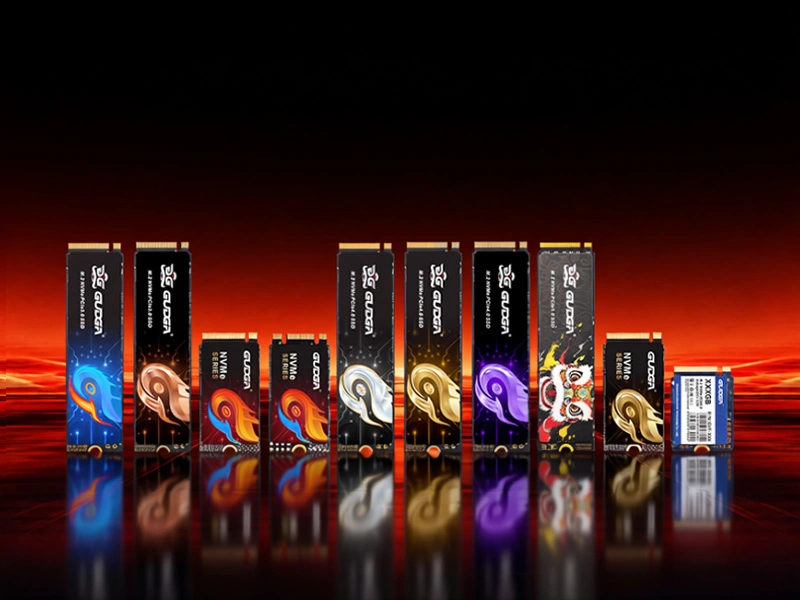
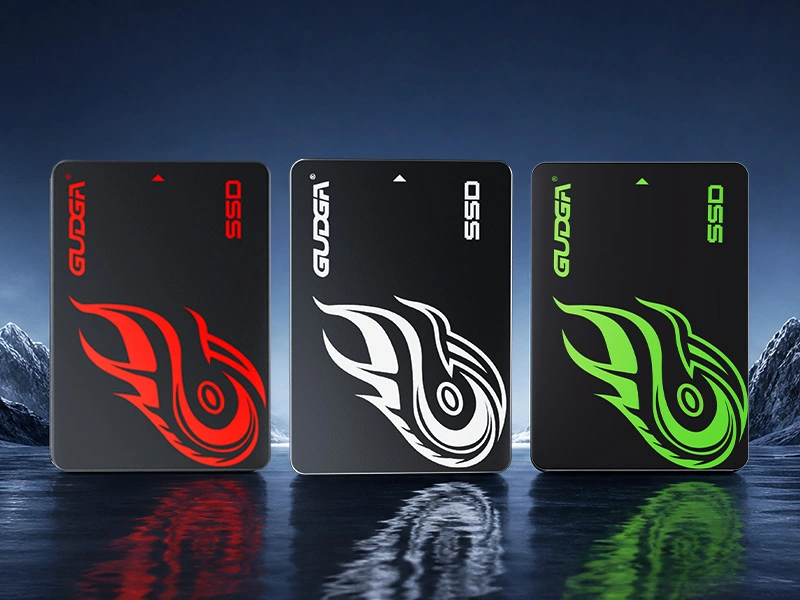
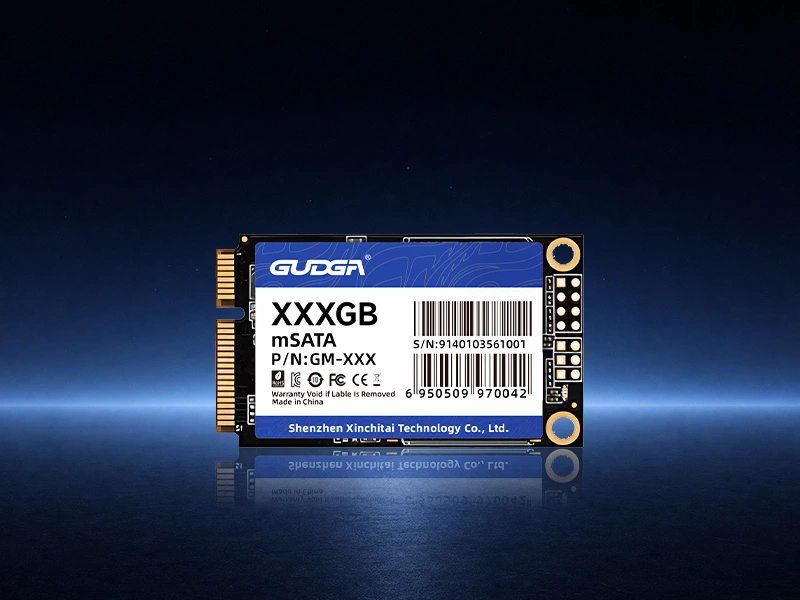
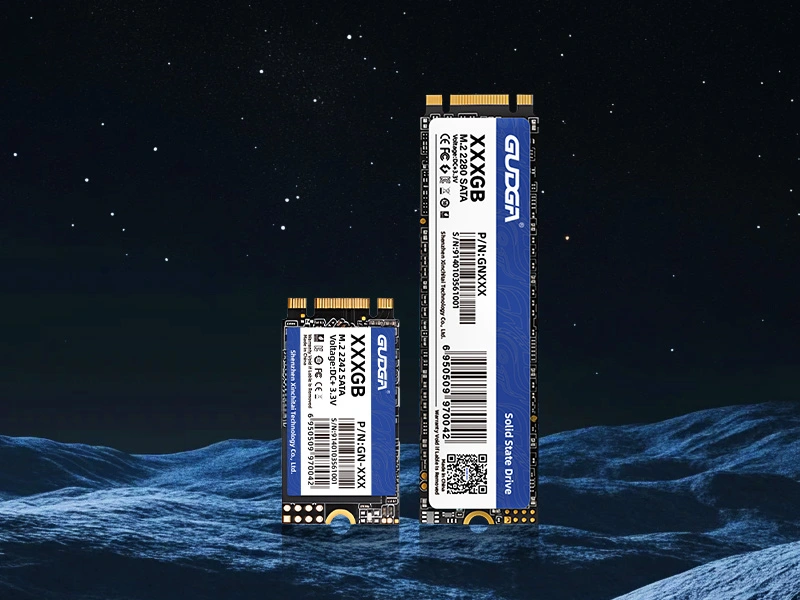
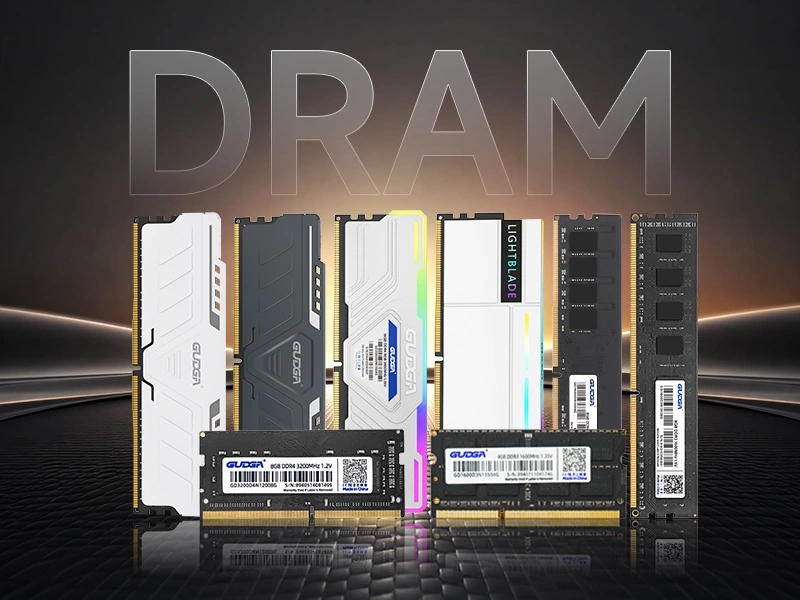
By the end of the third quarter of 2026, the global SSD and memory module markets had moved past the explosive growth seen in the second quarter, settling into a new landscape characterized by moderating price increases and structural divergence. Recent industry data indicates that while DRAM module prices continue to rise steadily, the SSD market presents a mixed picture: entry-level products are seeing slight price drops to boost volume, whereas high-end flagship models maintain firm pricing. The storage industry has officially entered a phase of structural adjustment driven by the interplay between supply and demand.
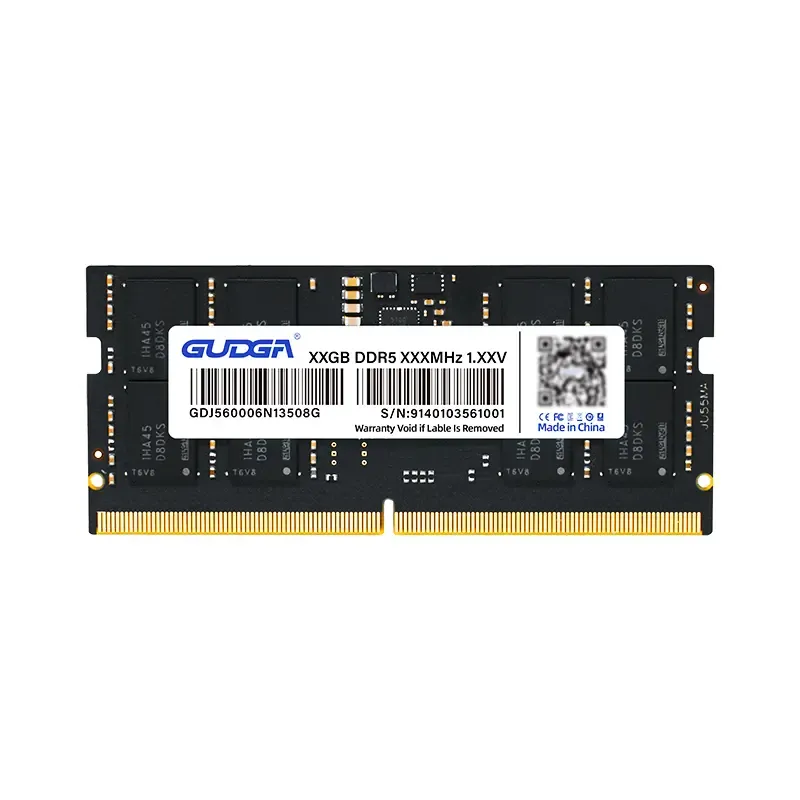
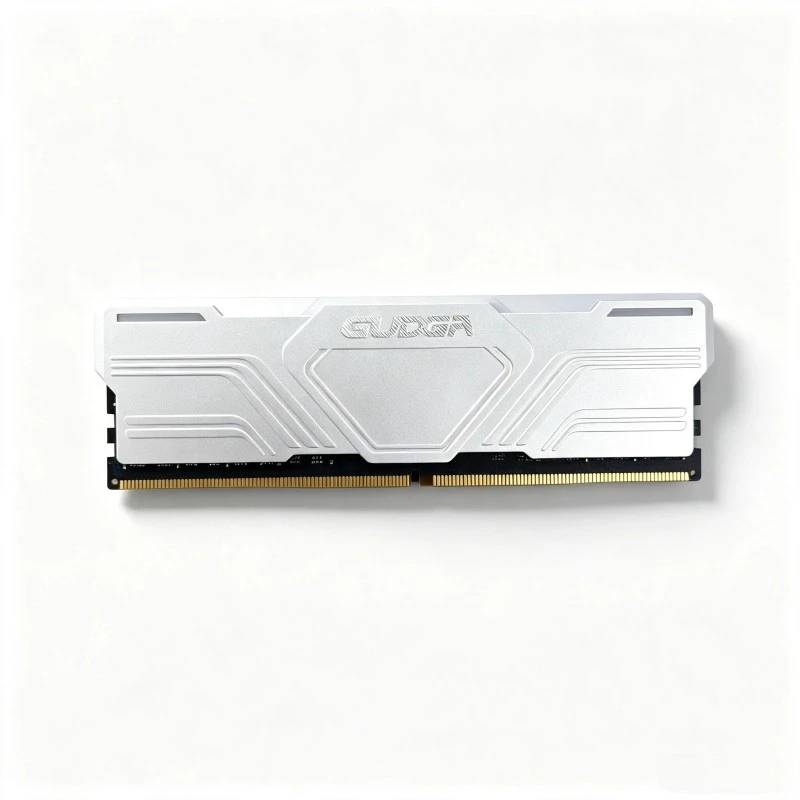
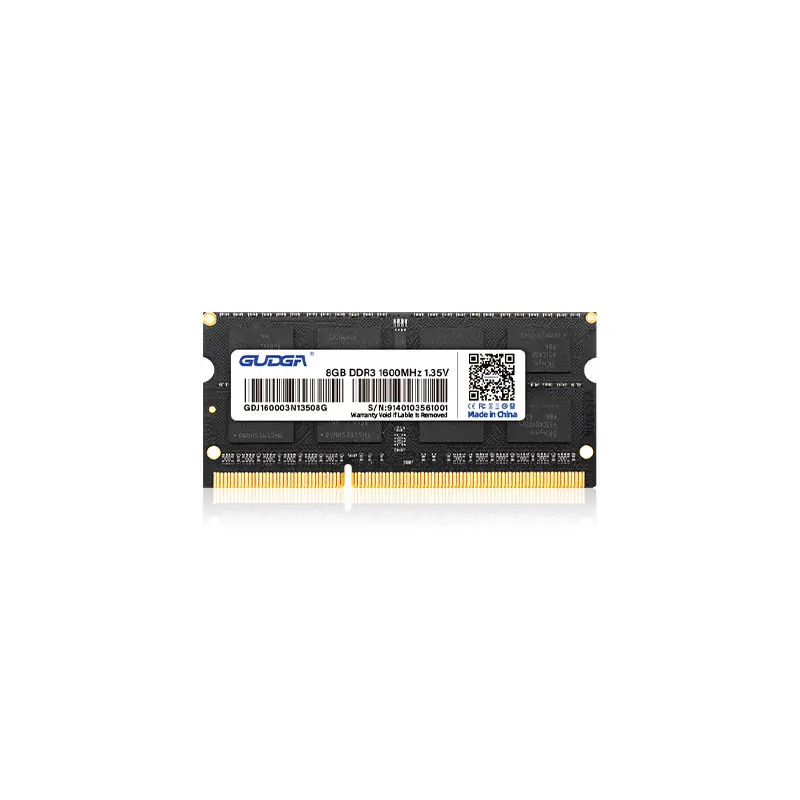
In the memory market, the upward price trend persists, though the rate of increase has slowed significantly. According to the latest monitoring data from institutions such as TrendForce and Sigmaintell, global DRAM contract prices rose by 13%–18% quarter-over-quarter in Q3 2026—a marked narrowing compared to the 58%–63% surge seen in the second quarter. By early September, spot prices for mainstream DDR5 memory had risen nearly 50% year-over-year, with prices for popular models like the 16GB DDR5 5600 continuing to climb; meanwhile, DDR4 memory—previously in ample supply—has faced structural shortages, leading to simultaneous price increases.
The primary drivers behind this round of memory price hikes are adjustments to production capacity structures and the explosive demand for AI computing power. Major manufacturers like Samsung, Micron, and SK Hynix continue to curtail capacity for standard consumer-grade DRAM, shifting core production toward high-value-added products such as HBM (High Bandwidth Memory) and server-specific memory, resulting in persistently tight supplies of consumer-grade memory. Concurrently, the mass deployment of AI servers and high-performance end-user devices has sharply increased consumption of high-end storage chips. The industry pattern of "short-term computing power shortages versus long-term storage shortages" has become entrenched, and the consensus within the sector is that the memory supply crunch may persist into 2027.
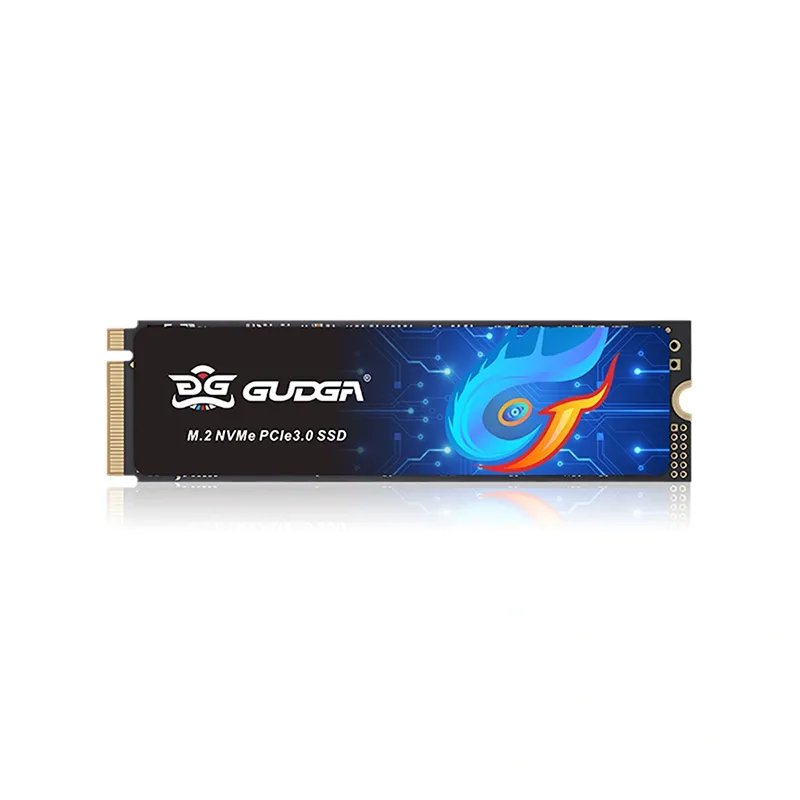
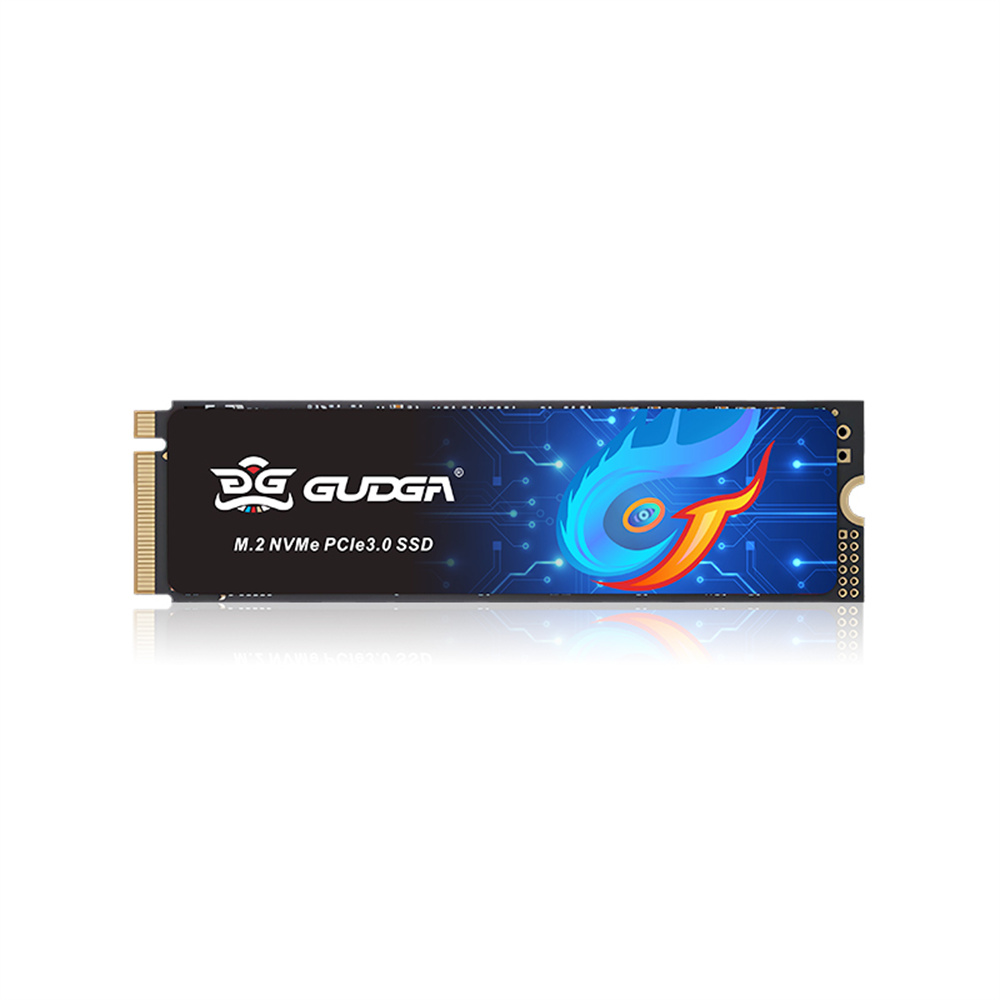
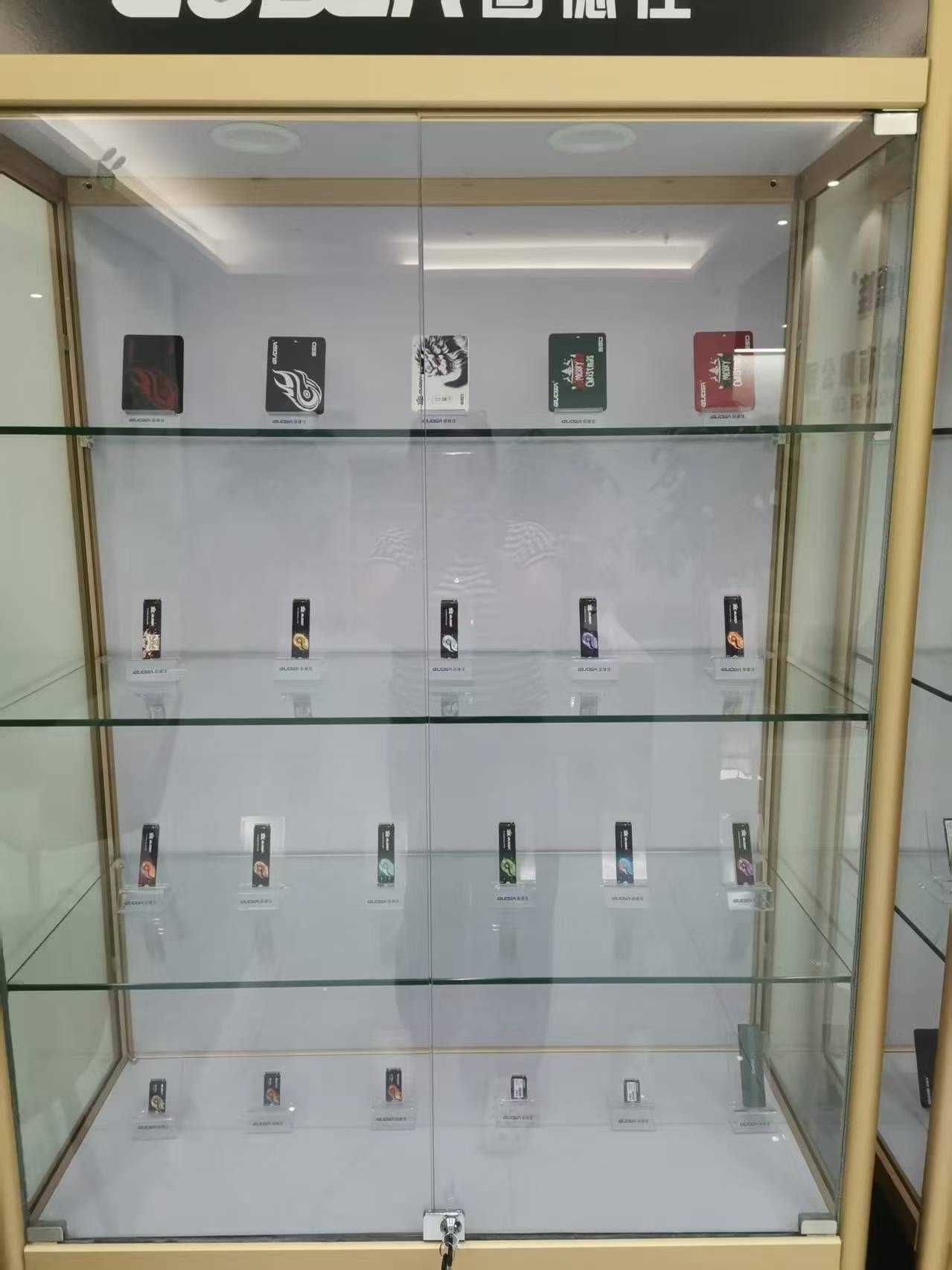
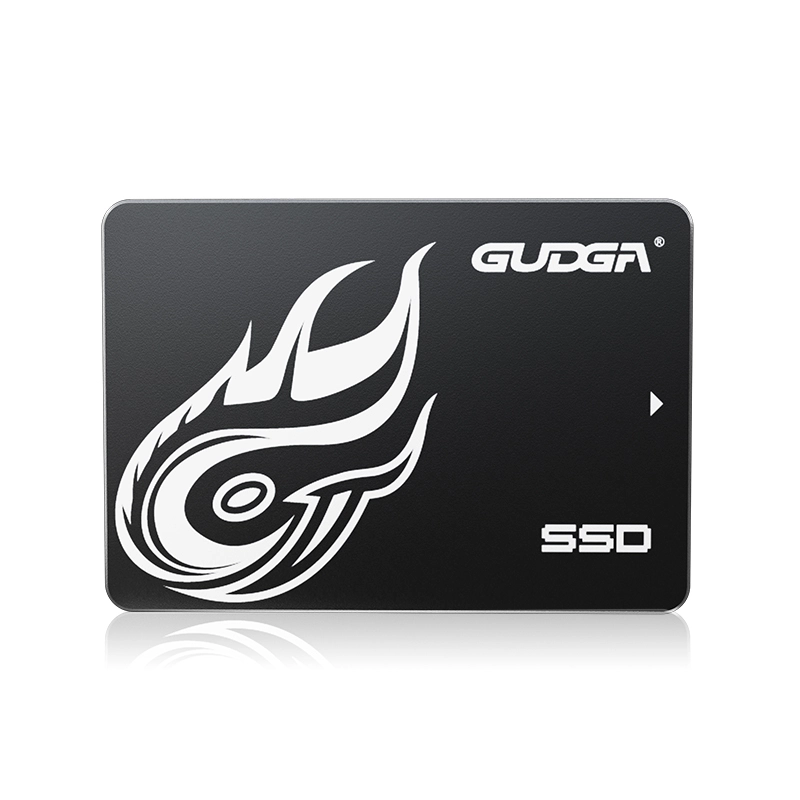
In contrast to the broad-based price increases in the memory market, the SSD market shows significant divergence. Since September, prices for entry-level 256GB and 512GB SATA and PCIe 3.0 SSDs have dipped slightly, as small and medium-sized manufacturers lower prices to stimulate shipments and alleviate inventory pressure. However, prices for high-end PCIe 4.0 and PCIe 5.0 flagship SSDs remain stable; mainstream 1TB high-end models—such as the Samsung 990 Pro and Kimtigo TP5000—have held steady with no significant fluctuations. Industry analysis indicates that the divergence in SSD prices stems from a supply-demand mismatch. High costs for upstream NAND flash chips have established a price floor for high-end SSDs, while weak demand in the consumer electronics sector—characterized by low consumer interest in device replacements or upgrades—and sluggish demand from industrial control and commercial OEM sectors have created a different dynamic. To capture market share, small and medium-sized manufacturers have resorted to lowering prices on entry-level products to boost shipments, resulting in a market pattern where high-end prices remain stable while low-end prices fall.
Strategic moves across the industry are accelerating, building momentum for long-term growth. The domestic storage supply chain continues to achieve breakthroughs; ChangXin Memory Technologies (CXMT) has initiated equipment tendering for its new Shanghai plant. Once completed, the facility is expected to reach a monthly capacity of 600,000 wafers, effectively boosting the self-sufficiency rate of domestic DRAM production and easing supply pressures in the local market. Meanwhile, numerous module manufacturers are upgrading their product portfolios by scaling back legacy low-end production and focusing on high-speed memory and high-capacity SSDs designed for AI-enabled devices and high-performance PCs. This shift is gradually alleviating the structural imbalance characterized by cutthroat competition at the low end and a scarcity of high-end products.
Regarding future trends, market analysts generally predict that the fourth quarter of 2026 will mark the peak for storage prices. Driven by capacity reallocation and essential demand, memory prices are likely to fluctuate at high levels, with a significant drop considered highly unlikely. The SSD market will continue to see divergent trends: prices for low-end products may undergo minor adjustments, whereas high-end, high-speed SSDs will maintain price resilience alongside hardware upgrades. As domestic production capacity ramps up and supply-demand dynamics stabilize, the storage industry may move beyond the phase of unilateral price hikes and enter a new stage of steady development by 2027.
We use cookies to offer you a better browsing experience, analyze site traffic and personalize content. By using this site, you agree to our use of cookies.Privacy Policy