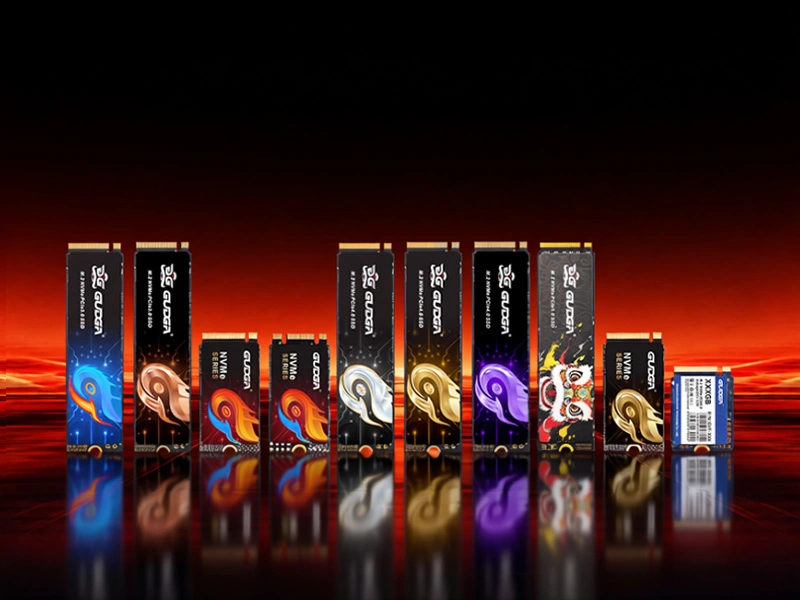
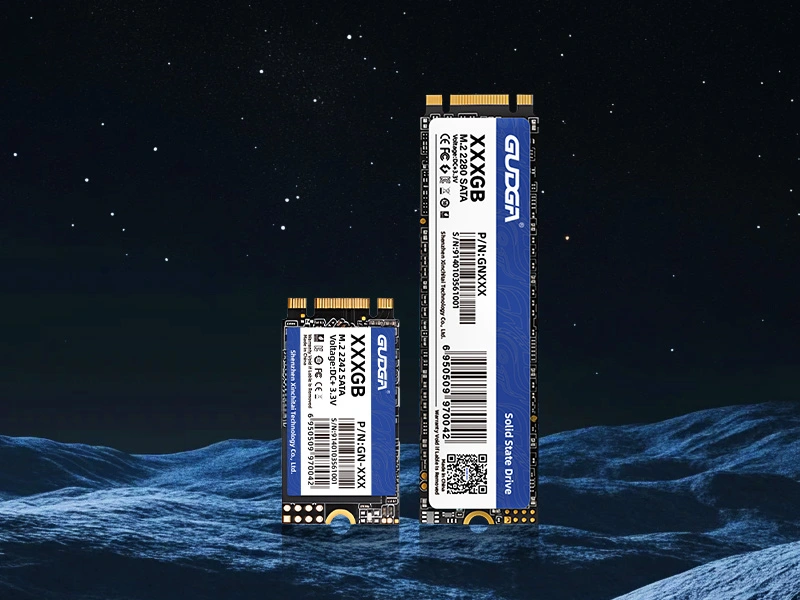
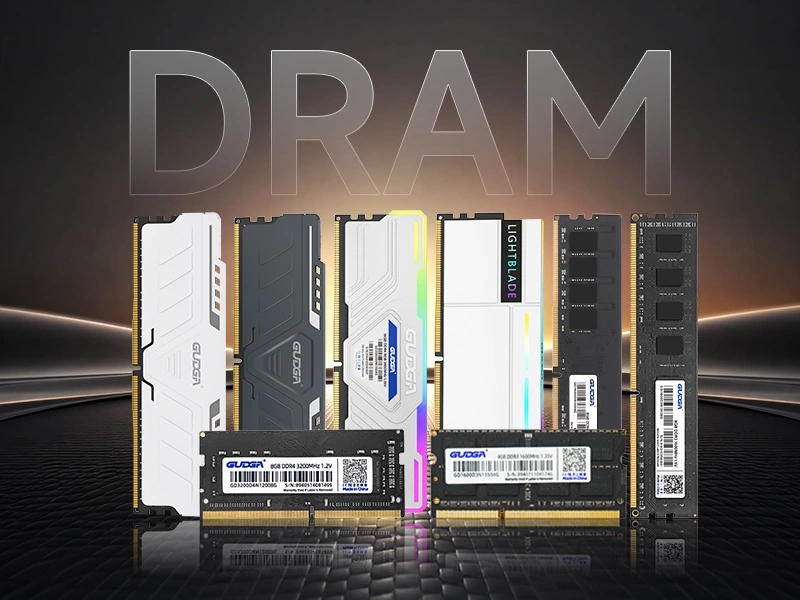
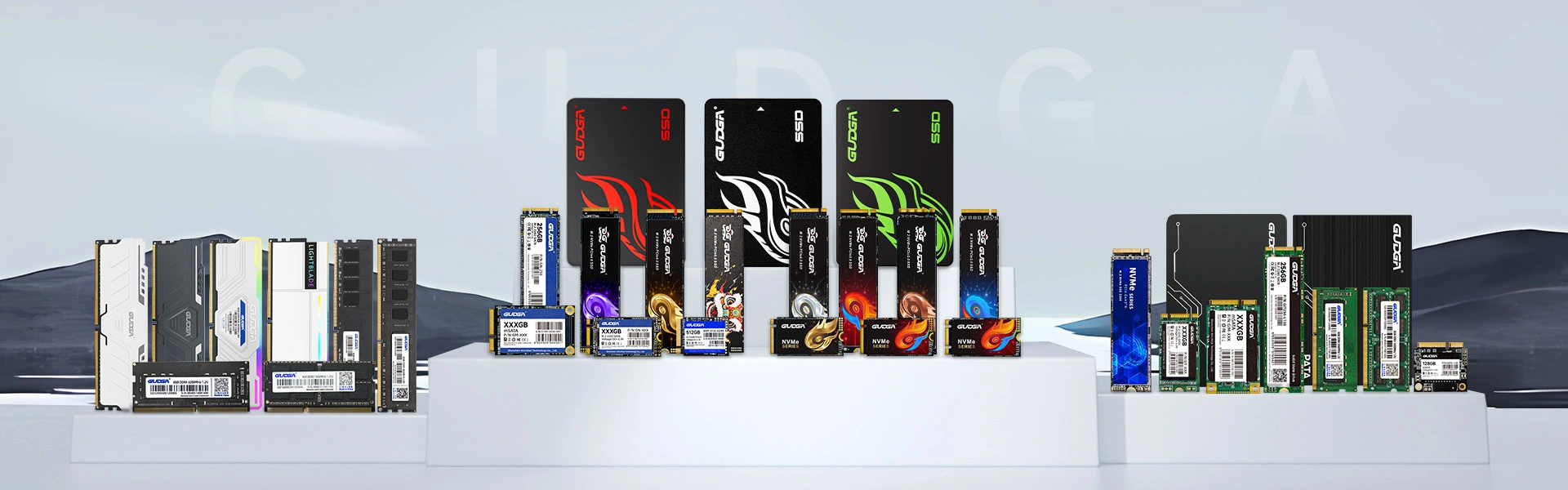
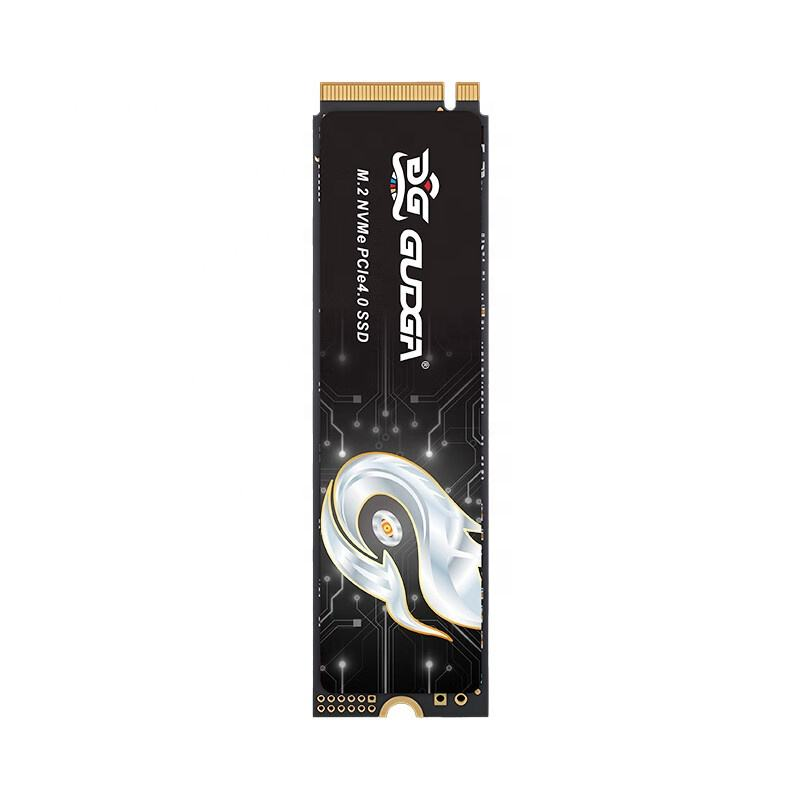
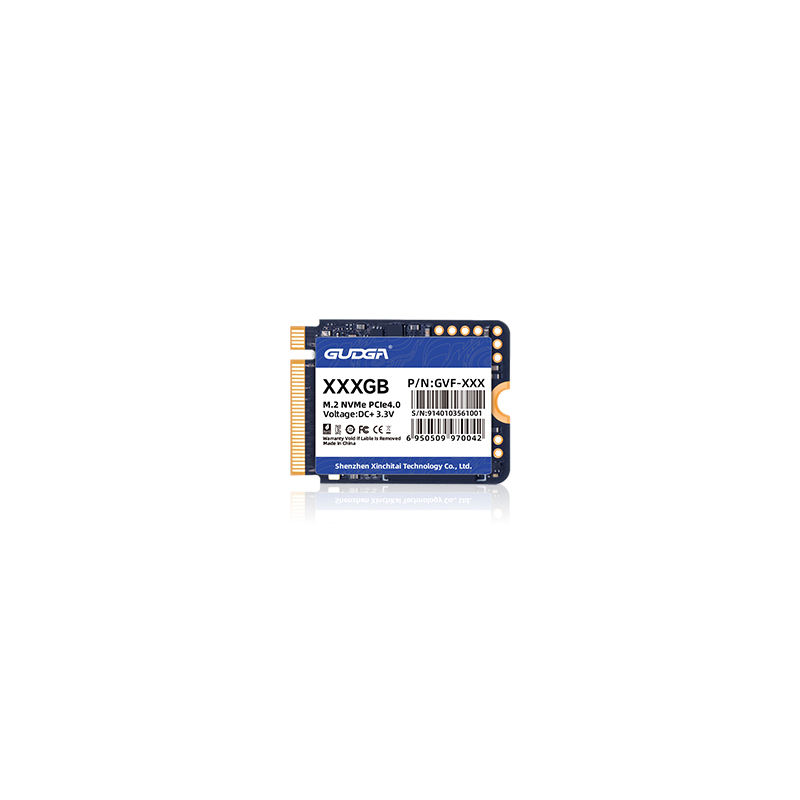
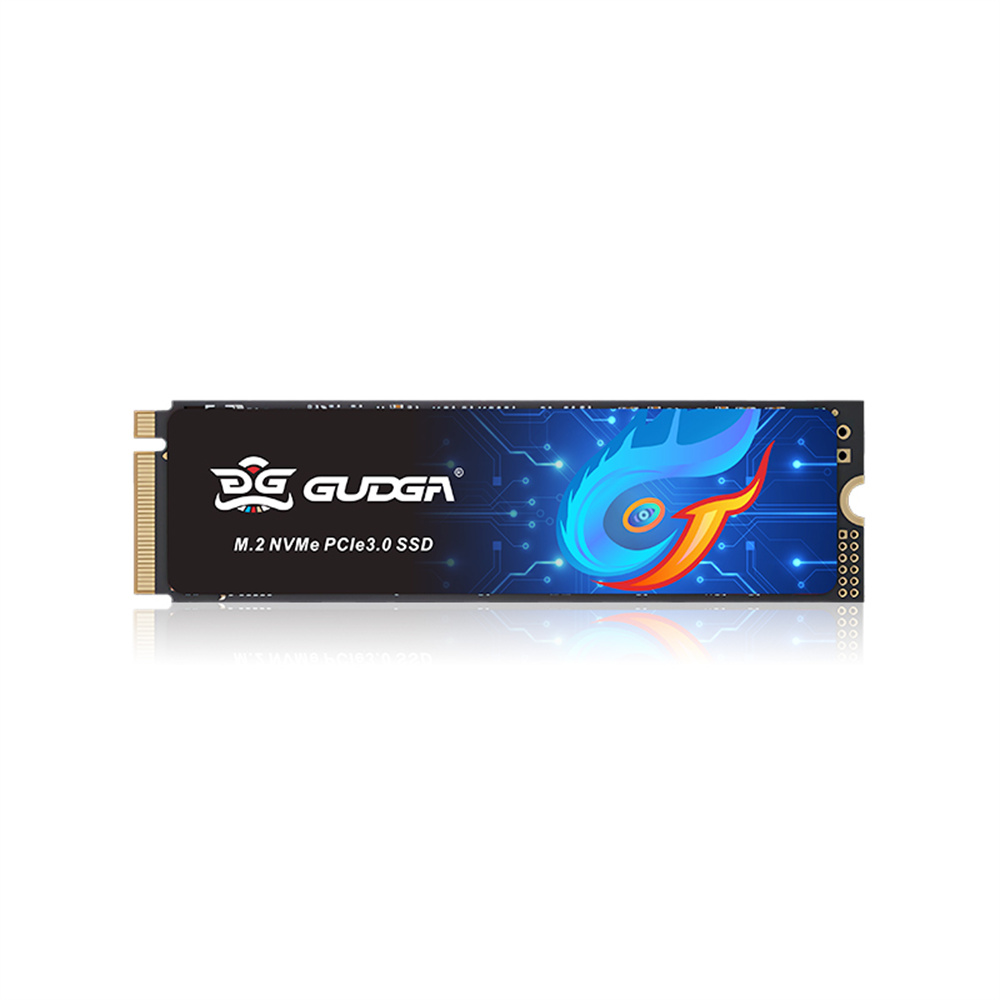
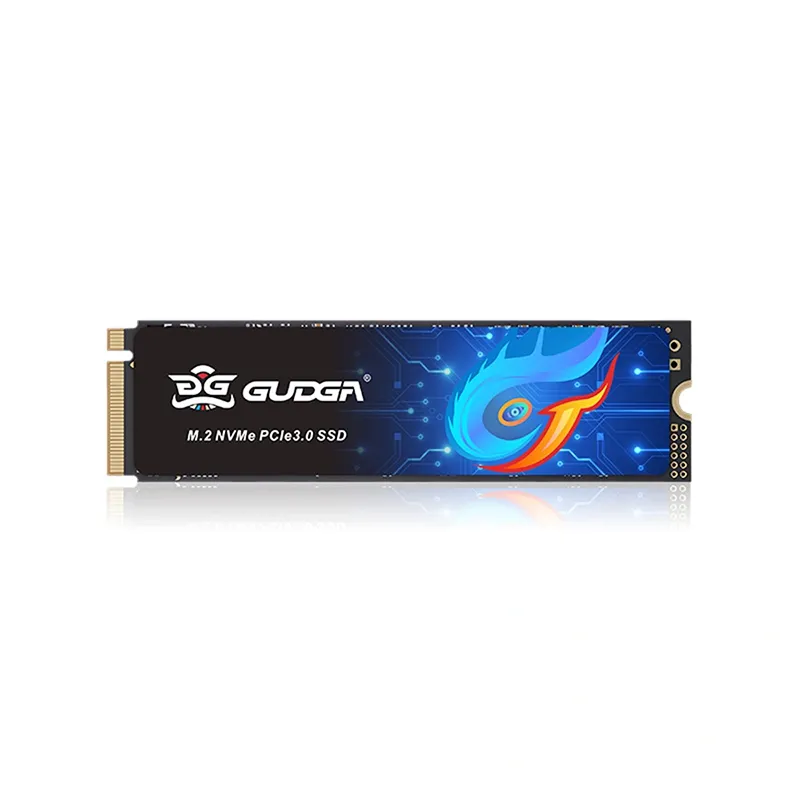
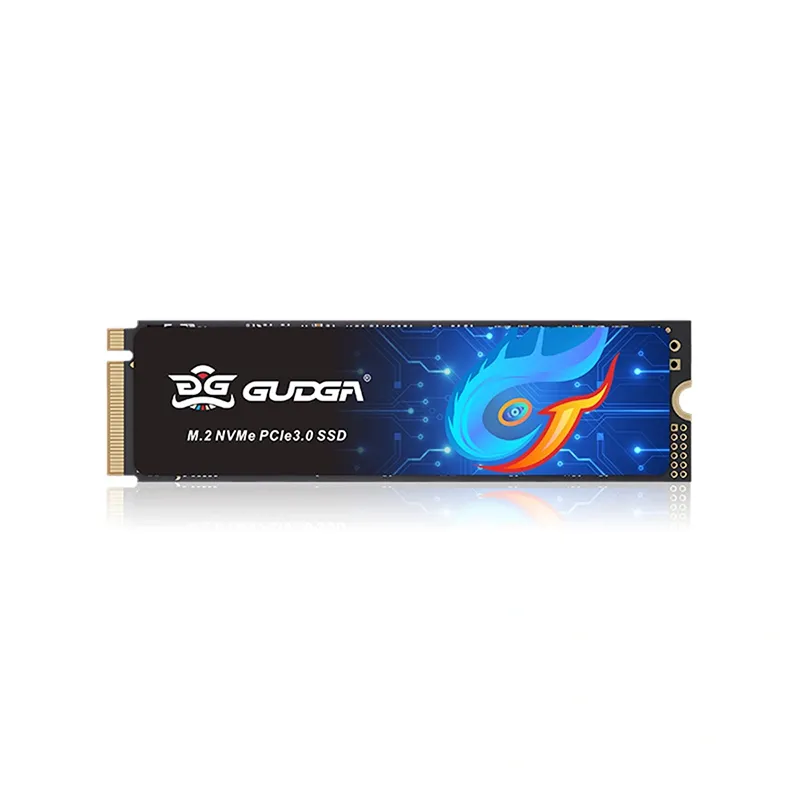
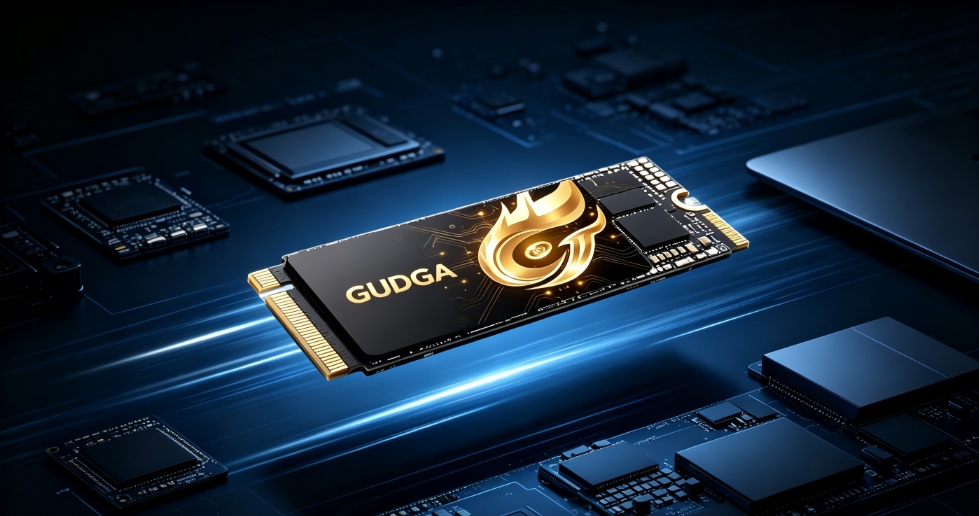
In the M.2 NVMe SSD market, the NVMe 3.0 2280 form factor—characterized by its universal 22mm × 80mm dimensions—has emerged as the mainstream choice for desktops, laptops, workstations, and other devices, commanding a market share of over 90%. However, within this very same NVMe 3.0 2280 specification, there exist significant differences between the "low-speed" and "high-speed" variants.
Many users are left wondering: What are the core differences between the NVMe 3.0 2280 Low Speed and its high-speed counterpart? And how does one go about selecting the version best suited to their specific needs? In reality, the fundamental distinctions lie in their performance positioning, hardware configurations, and intended use cases. The high-speed version is not necessarily the superior choice in every scenario; the low-speed version possesses its own set of indispensable advantages.
Given that it utilizes the NVMe 3.0 protocol, why is it still referred to as "low-speed"?
In reality, the "low-speed" designation for the NVMe 3.0 2280 is a relative term, used in comparison to the high-speed variants within the same form factor. When compared to traditional SATA SSDs, however, its performance still represents a significant improvement.
Essentially, the NVMe 3.0 2280 Low Speed is an entry-level M.2 2280 SSD that employs the NVMe 1.3/1.4 protocol (while remaining compatible with the NVMe 3.0 bus) and a PCIe 3.0 ×4 interface. Its core hardware configuration adheres to the principle of "simplicity and practicality," featuring an entry-level controller chip, predominantly TLC NAND flash memory (though some entry-level models utilize QLC NAND), and a streamlined caching configuration. Some products feature a DRAM-less design, utilizing Host Memory Buffer (HMB) technology to borrow system memory for caching purposes. This approach reduces hardware costs while still satisfying basic storage requirements.
How is the performance?
In terms of performance specifications, low-speed NVMe 3.0 2280 models typically offer sequential read speeds between 1,500 MB/s and 2,500 MB/s, sequential write speeds between 700 MB/s and 1,500 MB/s, and 4K random read/write speeds ranging from 100K to 200K IOPS.
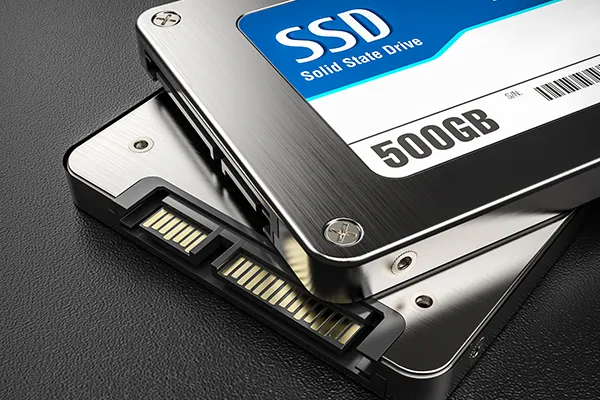
Compared to SATA SSDs (which typically have sequential read/write speeds of around 500 MB/s), these drives deliver 2 to 5 times the performance—more than sufficient to meet the demands of basic use cases such as daily office work, web browsing, video playback, and light document processing.
Furthermore, their performance is heavily influenced by the quality of the NAND flash and the optimization of the controller; high-quality low-speed products can even rival certain entry-level high-speed models in terms of stability.
How do you determine if a low-speed NVMe 3.0 2280 drive is right for you?
In practice, as long as your usage scenarios do not involve heavy-load tasks, it represents an ideal, cost-effective choice. Its primary applicable scenarios include:
1. Upgrading older computers: Particularly laptops and desktop PCs manufactured between 2018 and 2020. These devices typically feature motherboards that support the NVMe 3.0 protocol but do not require high-end drive performance. Replacing the original SATA SSD or mechanical hard drive can significantly boost boot speeds and software loading times, effectively resolving system lag issues.
2. Basic office workstations: Such as computers used by receptionists, accountants, and administrative staff, which are primarily utilized for document processing (Word, Excel, PPT, etc.), web browsing, email, and similar tasks. The performance of the low-speed version is entirely adequate for these purposes while offering superior value for money.
3. Large-capacity storage scenarios: Such as data backup, audio/video file storage, and surveillance footage storage. These scenarios do not require high read/write speeds but instead prioritize capacity and stability. The low-speed version offers larger capacity options at a lower cost. 4. Embedded Devices and Thin Clients: These devices place stringent demands on power consumption and stability. The low-power design of the low-speed version is ideally suited for such applications, enabling long-term, stable operation.
What are the Core Advantages?
1. High Cost-Effectiveness
Compared to the high-speed version, the NVMe 3.0 2280 Low Speed model is 30% to 50% more affordable. It offers flexible capacity options (ranging from 256GB to 4TB), effectively meeting the diverse needs of different users.
2. Excellent Power Management Capabilities
Power consumption is a mere 0.5 to 1 watt when idle, and does not exceed 3 watts under full load. This makes it highly suitable for laptops and other mobile devices, helping to extend battery life.
3. Strong Compatibility
It supports the vast majority of motherboards and laptops that adhere to the NVMe 3.0 protocol, thereby eliminating concerns regarding installation and compatibility.
4. Support for Essential Features
Includes support for fundamental functions such as TRIM commands and S.M.A.R.T. health monitoring to ensure stable and reliable operation.
How to Choose Between an NVMe 3.0 2280 Low-Speed SSD and a High-Speed SSD?
The key lies in "choosing based on your specific needs." There is no need to blindly pursue the high-speed version, nor should you opt for the low-speed version solely to save costs if it fails to meet your actual requirements. Specific recommendations for making your choice are as follows:
If your needs involve basic scenarios—such as daily office tasks, web browsing, audio/video playback, and data backup—and you have a limited budget, or if you are upgrading an older computer or utilizing embedded devices, then the NVMe 3.0 2280 Low Speed version represents a highly cost-effective choice. Our company's low-speed products offer an affordable price point while guaranteeing stability, ensuring that all your basic storage needs are fully met.
If your needs involve high-workload scenarios—such as playing demanding video games, 4K video editing, 3D modeling, and big data processing—and you prioritize maximum read/write speeds and stability, then the NVMe 3.0 2280 High Speed version is the better fit for you. GUDGA's high-speed products feature high-performance hardware and optimized designs, delivering an efficient and stable storage experience tailored to your advanced requirements.