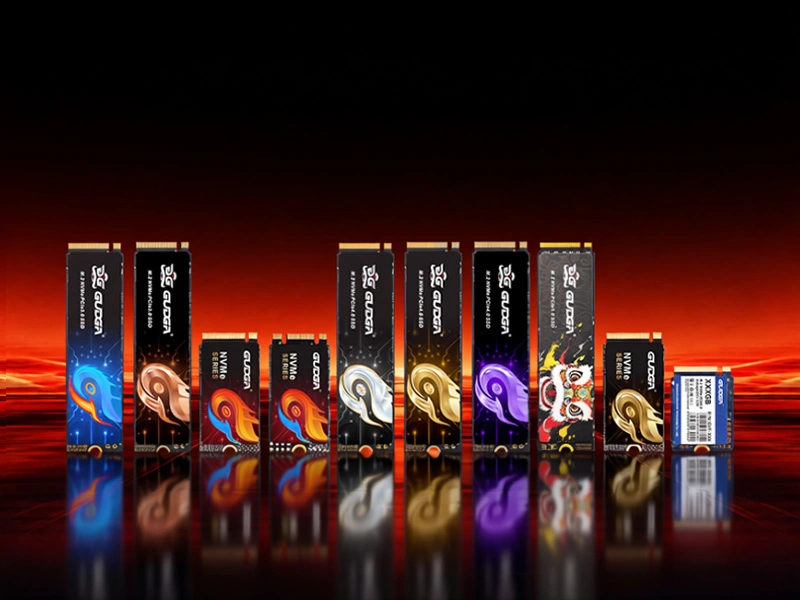
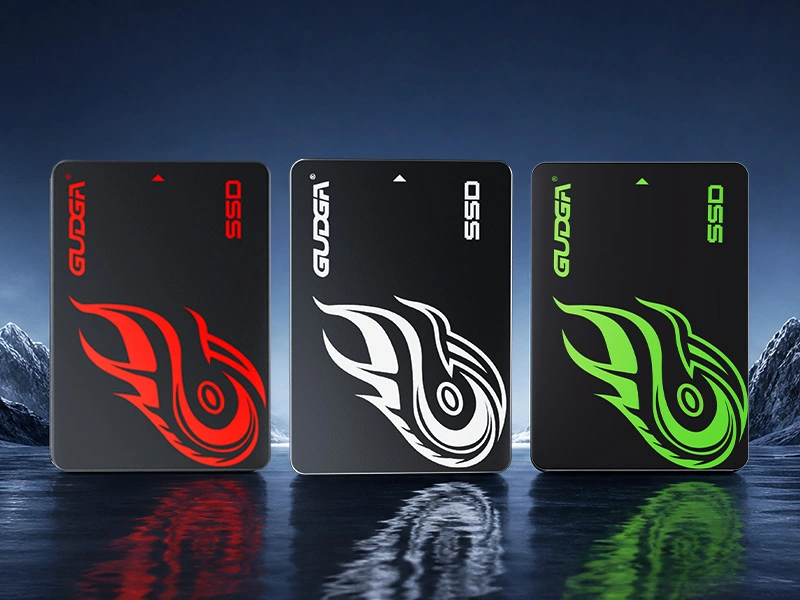
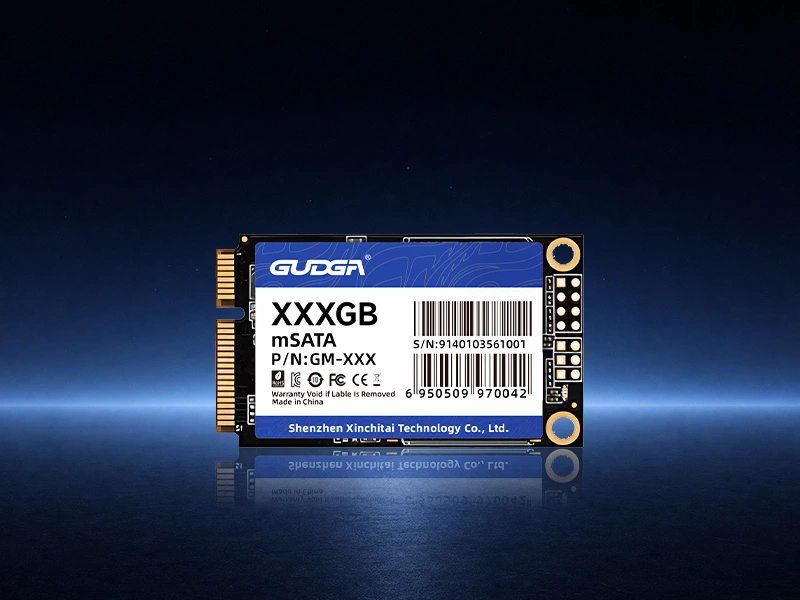
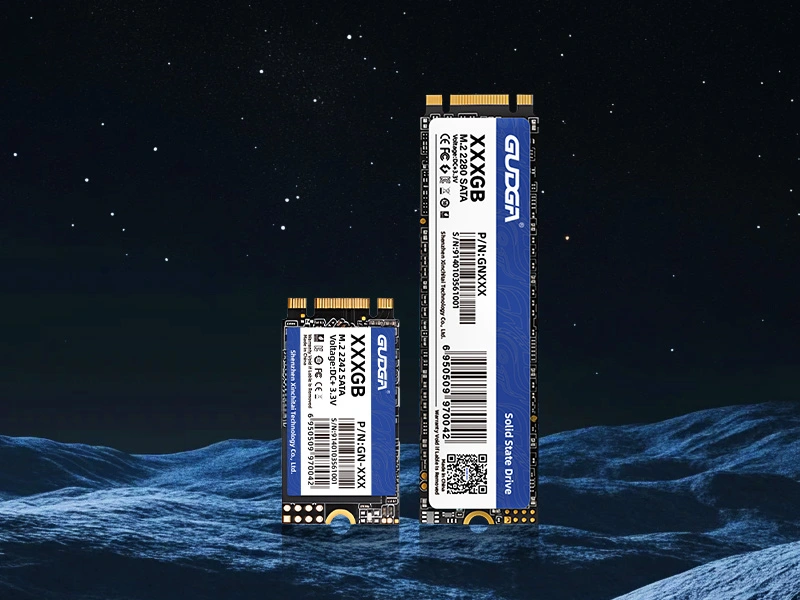
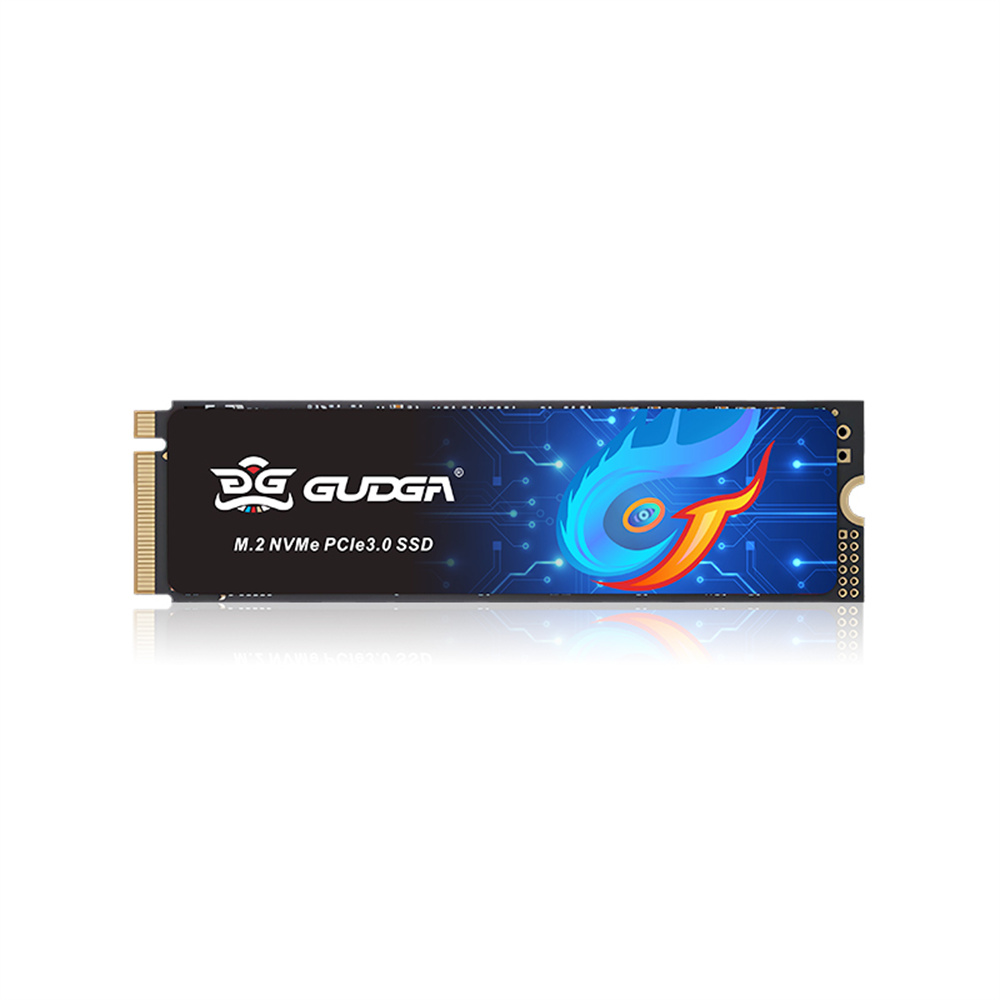
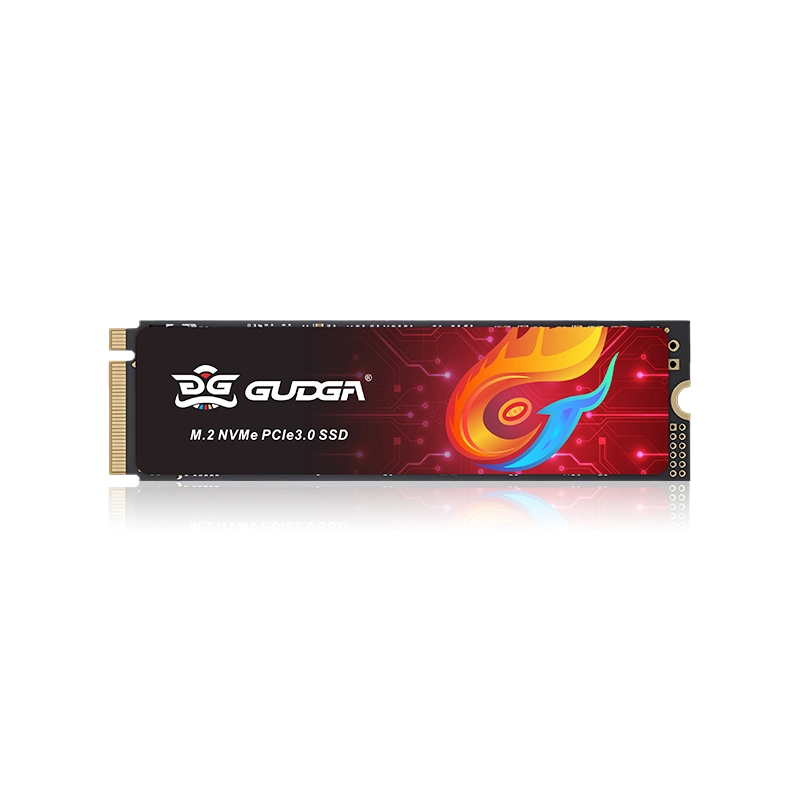
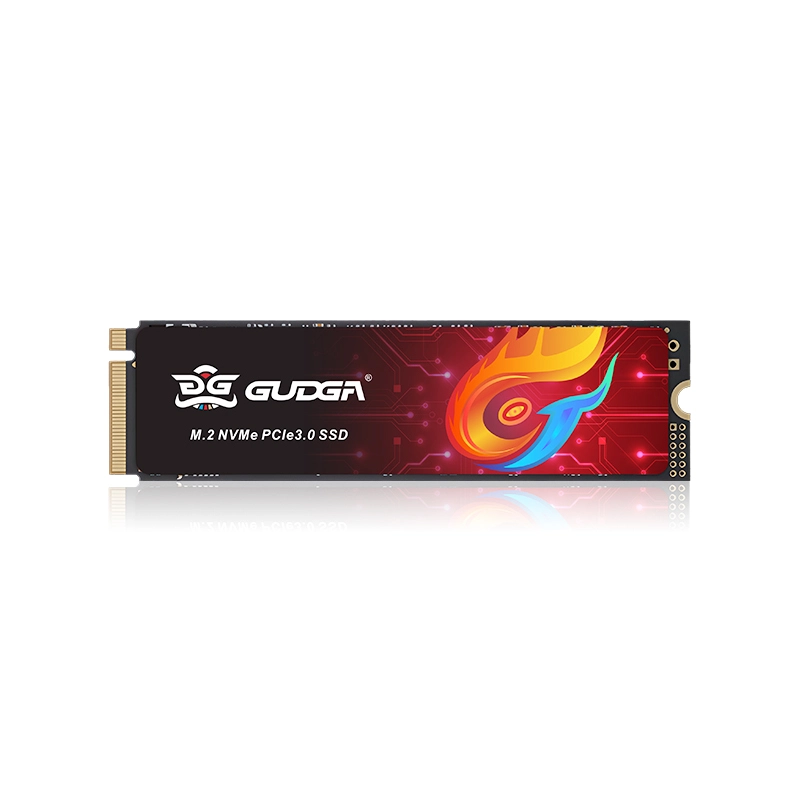
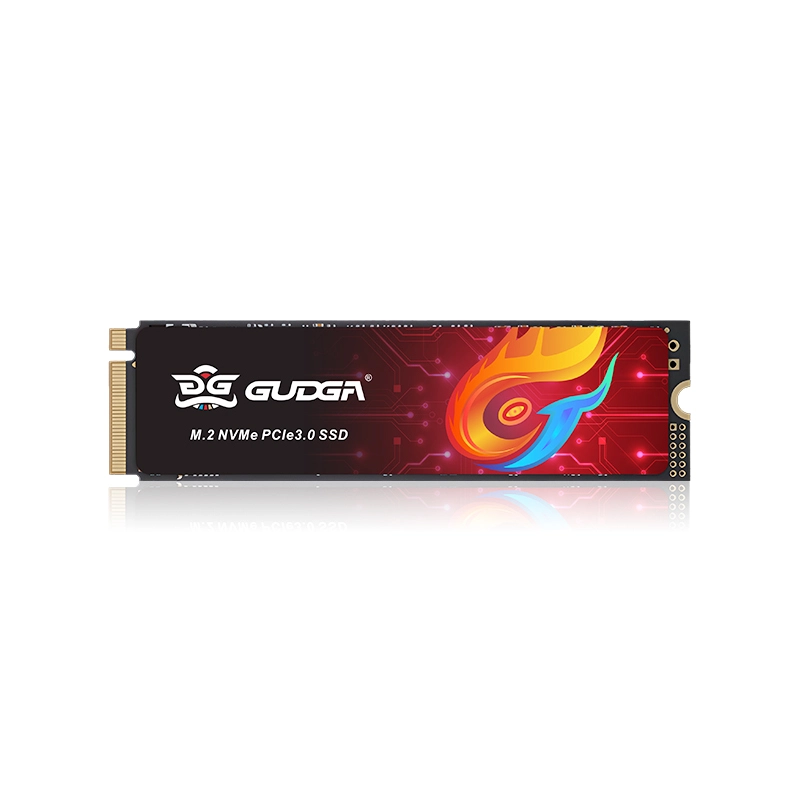
GUDGA is a professional manufacturer and supplier of M.2 NVME SSDs based in China. The NVMe 3.0 2280 High Speed is a mid-to-high-end product built upon the NVMe 3.0 protocol and the M.2 2280 form factor, primarily targeting gamers, professional content creators, and high-end office users.
What is the difference compared to NVMe 4.0?
Many users confuse the NVMe 3.0 High Speed edition with NVMe 4.0 products; however, the core difference lies in the PCIe lane version. The NVMe 3.0 High Speed edition utilizes PCIe 3.0 x4 lanes, theoretically offering a bandwidth of up to 32Gbps, whereas NVMe 4.0 products utilize PCIe 4.0 x4 lanes, theoretically offering a bandwidth of up to 64Gbps.
Nevertheless, thanks to its mature technology, stable performance, and reasonable pricing, the NVMe 3.0 High Speed edition remains a mainstream choice in the mid-to-high-end market—particularly for users whose devices do not support the PCIe 4.0 protocol.
What is the NVMe 3.0 2280 High Speed SSD?
The NVMe 3.0 2280 High-Speed adopts the NVMe 1.4 protocol (with select high-end models offering backward compatibility with the NVMe 2.0 version) and utilizes PCIe 3.0 x4 lanes. Its hardware configuration is specifically engineered to prioritize "high performance and high stability." It features mid-to-high-end controller chips that support multi-queue command processing, and it employs high-quality TLC flash memory (with select flagship models utilizing MLC).
Furthermore, it is equipped with an independent DRAM cache (typically ranging from 1GB to 4GB), eliminating the need to rely on host system memory. This feature significantly enhances read and write speeds as well as overall stability—particularly during large file transfers and multitasking operations.
What are the performance specifications?
In terms of performance specifications, the NVMe 3.0 2280 High Speed SSD offers sequential read speeds ranging from 2,800 MB/s to 3,500 MB/s—with select flagship models reaching up to 3,800 MB/s. Sequential write speeds range from 2,000 MB/s to 3,000 MB/s, while 4K random read/write speeds fall between 250K and 500K IOPS.
Compared to slower variants, this represents a performance boost of 50% to 100%; indeed, certain flagship models even approach the performance levels of entry-level NVMe 4.0 products. This level of performance is more than sufficient to handle high-workload scenarios—such as loading large AAA games, 4K video editing, 3D modeling, and big data processing—delivering near-instantaneous loading speeds and exceptional efficiency.
What are the key application scenarios?
The primary use cases for the NVMe 3.0 2280 High Speed SSD include:
1. Gamers
Installation files for large AAA games typically range from 50 GB to 100 GB. The high-speed version enables near-instantaneous game loading, significantly reducing wait times. Furthermore, during gameplay, it facilitates rapid access to game assets, preventing stuttering and frame rate drops to deliver an enhanced gaming experience.
2. Professional Creators
This category includes video editors, 3D designers, and graphic designers. These users frequently work with 4K/8K video footage and massive design files. The high-speed version's rapid read/write speeds dramatically boost workflow efficiency and shorten rendering and export times; for instance, 4K video export speeds can be accelerated by 30% to 50%.
3. High-End Office Users
Such as big data analysts and software developers, who require the ability to simultaneously run multiple resource-intensive applications and process vast datasets. The high-speed version ensures smooth multitasking performance, effectively preventing software crashes and resolving issues related to sluggish data transfers.
4. High-End Workstations and Small Servers
These systems are required to sustain heavy workloads over extended periods and place extremely high demands on both stability and read/write speeds. The high-speed version’s premium hardware components and optimized design are specifically engineered to meet the requirements for long-term, stable operation.
What are the core advantages of the NVMe 3.0 2280 High-Speed SSD?
Compared to slower versions, it offers significantly improved read and write speeds, allowing it to effortlessly handle high-workload scenarios. Its hardware configuration is superior, featuring an independent DRAM cache and high-quality NAND flash memory, which ensures stable data transmission and minimizes the risk of data loss.
Furthermore, it boasts enhanced durability; with a write/erase cycle lifespan ranging from 5,000 to 10,000 cycles—and a TBW (Total Bytes Written) rating of up to 600TB for the 1TB model—it is ideally suited for sustained, heavy-duty usage. Additionally, select high-end models are equipped with dedicated cooling modules that effectively lower operating temperatures, preventing performance throttling caused by overheating and ensuring consistently stable performance output.
Why Choose GUDGA?
In the realm of high-speed NVMe 3.0 2280 storage, our company offers a range of mid-to-high-end products. NVme 3.0 2280 High Speed deliver exceptional performance, stability, and core competitive advantages—achievements made possible by our robust R&D capabilities and strong supply chain infrastructure.
1. High-Performance Hardware
Equipped with advanced mid-to-high-end controllers, our drives support full-speed PCIe 3.0 x4 transmission. They utilize original, high-quality TLC NAND storage chips (with MLC featured in our flagship models) and include an independent DRAM cache ranging from 1GB to 4GB. Powered by our proprietary optimization algorithms, these drives achieve sequential read and write speeds of up to 3800MB/s and 3000MB/s, respectively, while 4K random read and write speeds exceed 500K IOPS. This level of performance surpasses comparable products in the industry, enabling the drives to handle even the most demanding, high-workload scenarios with ease.
2. Enhanced Cooling and Stability
Featuring a dual-cooling design: entry-level models come equipped with high-quality thermal pads, while flagship models utilize a full-metal heatsink combined with intelligent temperature control. This ensures that operating temperatures remain below 45°C—even under heavy loads—thereby preventing performance throttling. The drives also support LDPC error correction and power-loss protection features to guarantee data integrity and system stability.
3. Comprehensive Compatibility and Flexible Customization
Fully compatible with all motherboards and laptops that support the NVMe 3.0 standard, and also supports RAID array configurations. Custom development is available to fine-tune caching, NAND type, and performance parameters, thereby providing professional users with tailored solutions (e.g., high-capacity products for video production studios, and low-latency products for gamers).
4. Quality Assurance and After-Sales Service
All products undergo rigorous quality testing, boasting an average Mean Time Between Failures (MTBF) of up to 2 million hours—far exceeding the industry average. Products come with a five-year warranty and are backed by a dedicated after-sales service team, offering complimentary diagnostics, expedited repairs, and data recovery services to ensure complete peace of mind for users.