Products
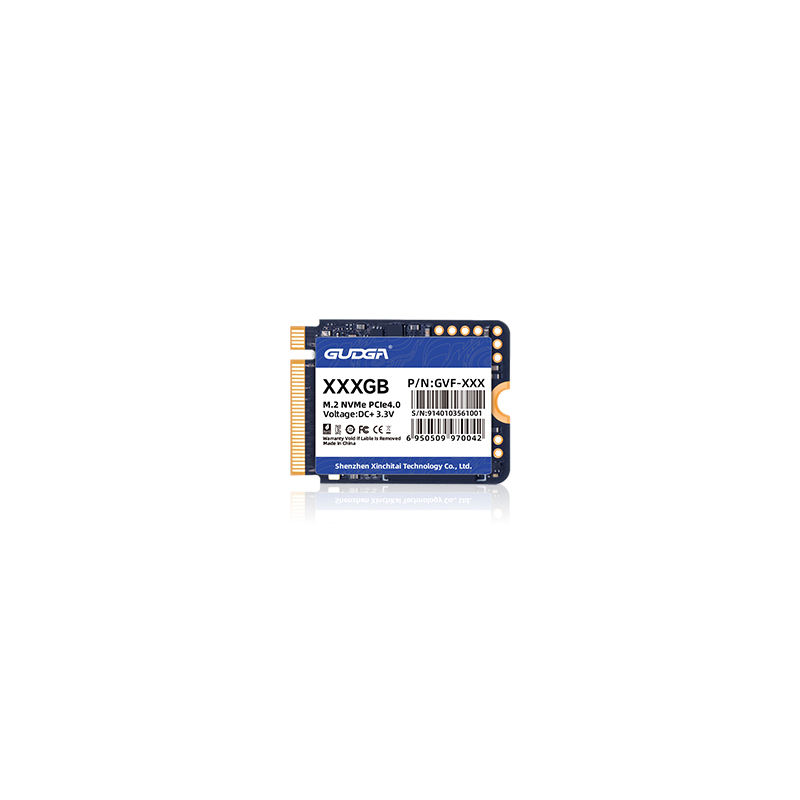
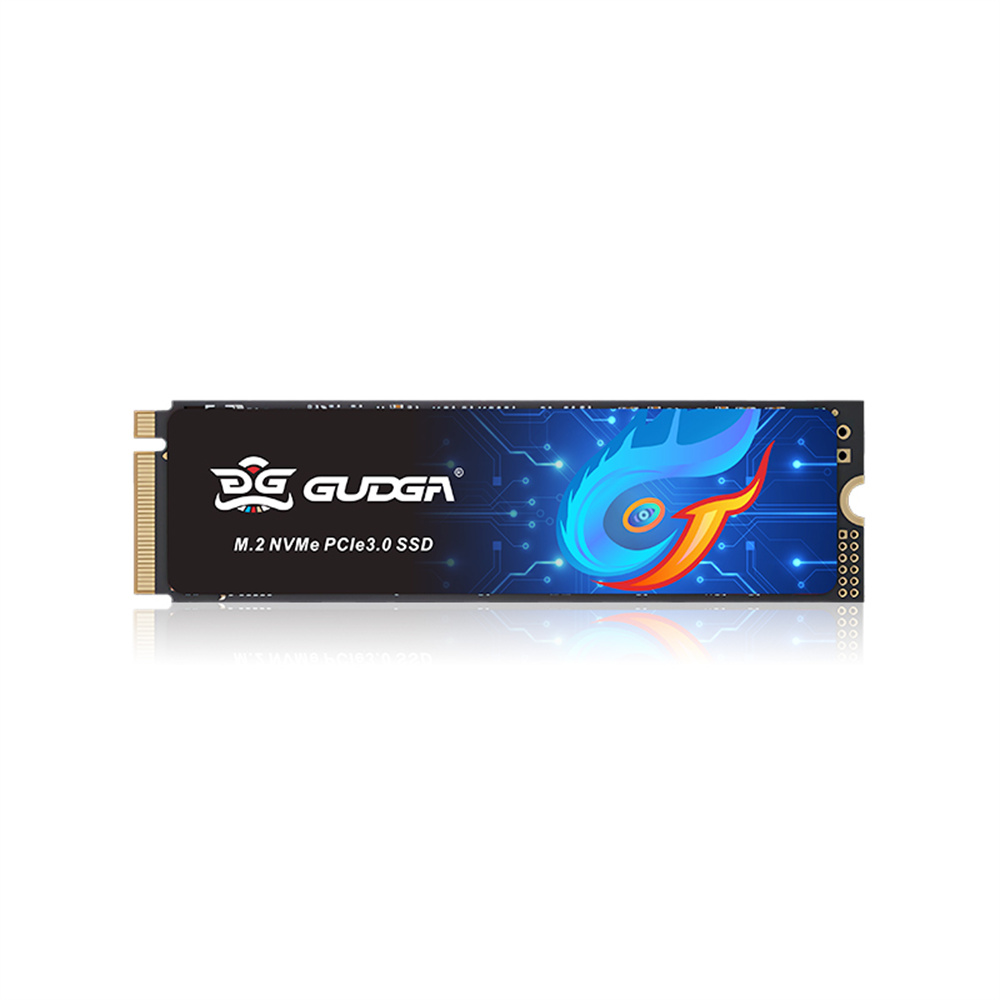
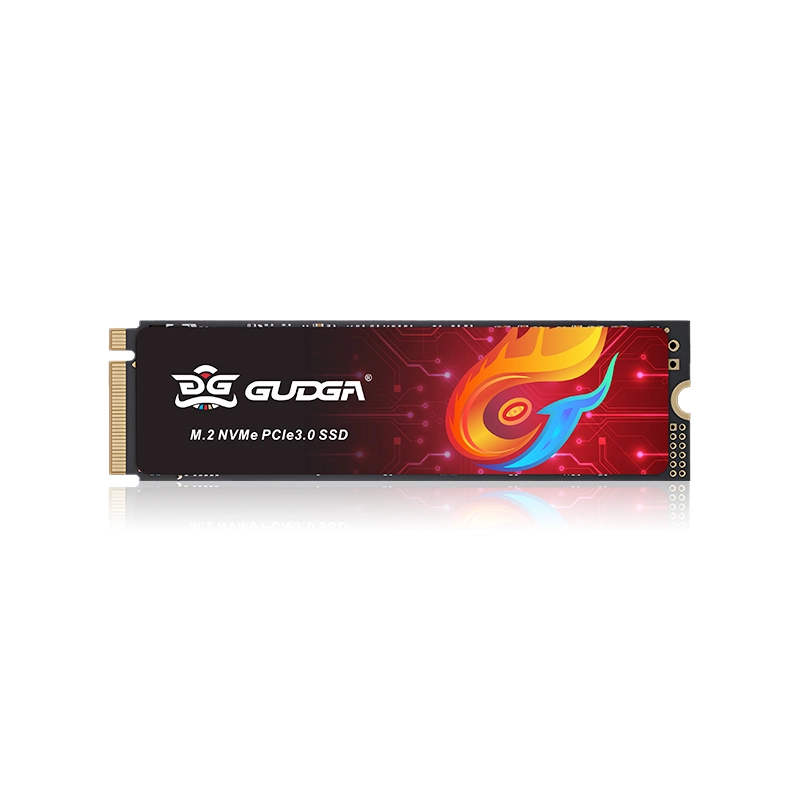
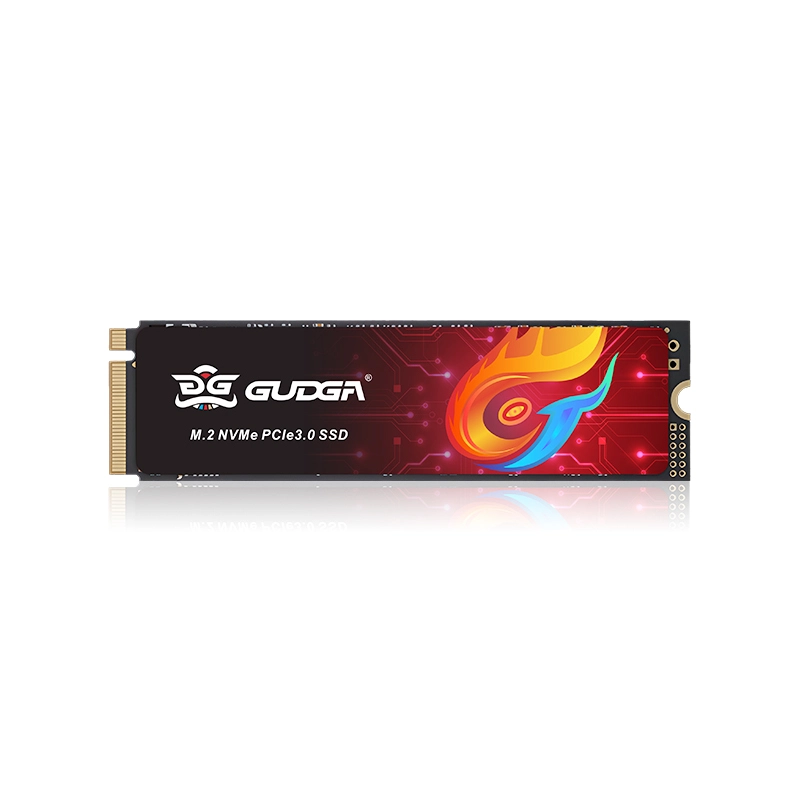
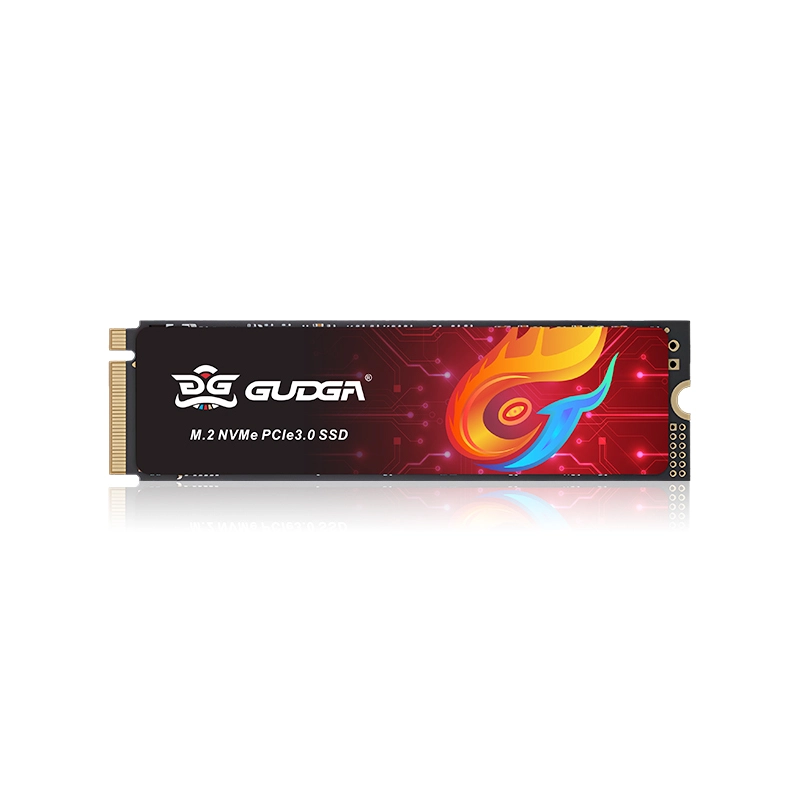
Internal NVME M.2 PCIE Gen3.0X4 for Laptop
  • Internal NVME M.2 PCIE Gen3.0X4 for LaptopInternal NVME M.2 PCIE Gen3.0X4 for Laptop
  • Internal NVME M.2 PCIE Gen3.0X4 for LaptopInternal NVME M.2 PCIE Gen3.0X4 for Laptop
  • Internal NVME M.2 PCIE Gen3.0X4 for LaptopInternal NVME M.2 PCIE Gen3.0X4 for Laptop
  • Internal NVME M.2 PCIE Gen3.0X4 for LaptopInternal NVME M.2 PCIE Gen3.0X4 for Laptop

Internal NVME M.2 PCIE Gen3.0X4 for Laptop

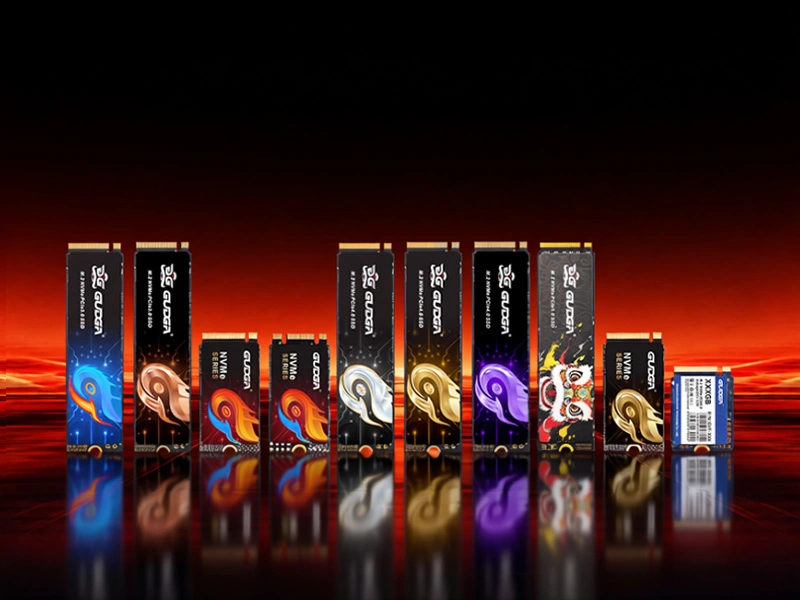
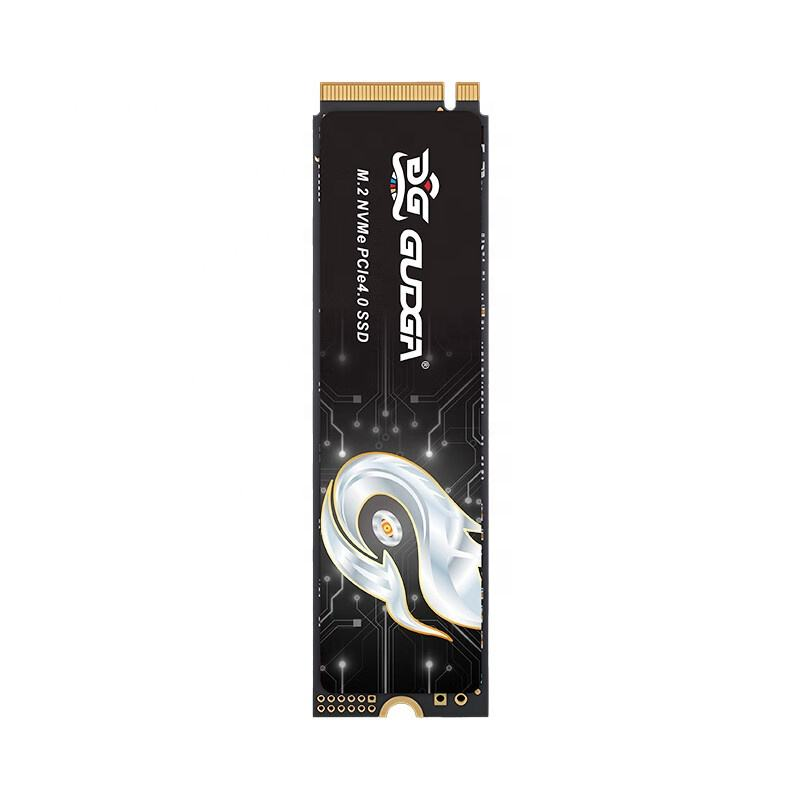
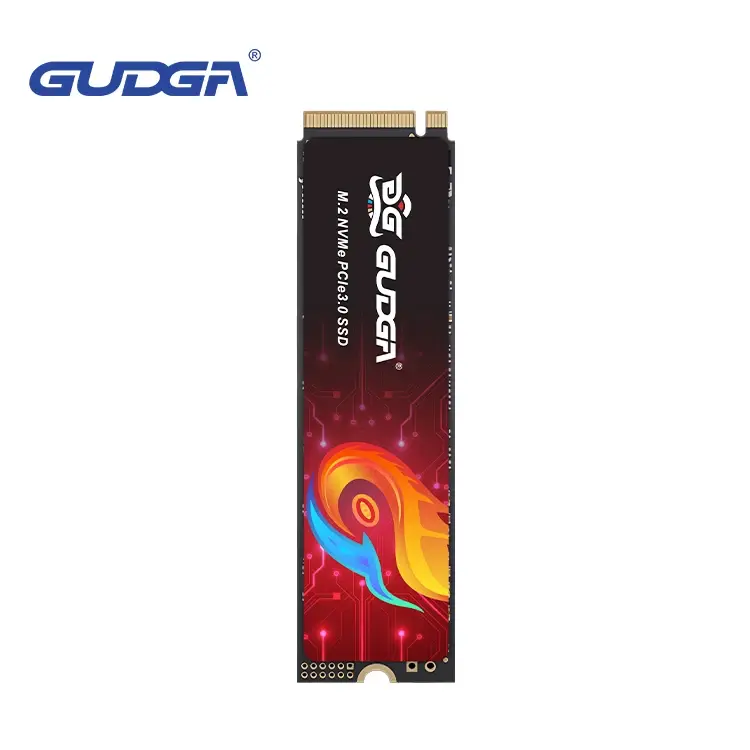
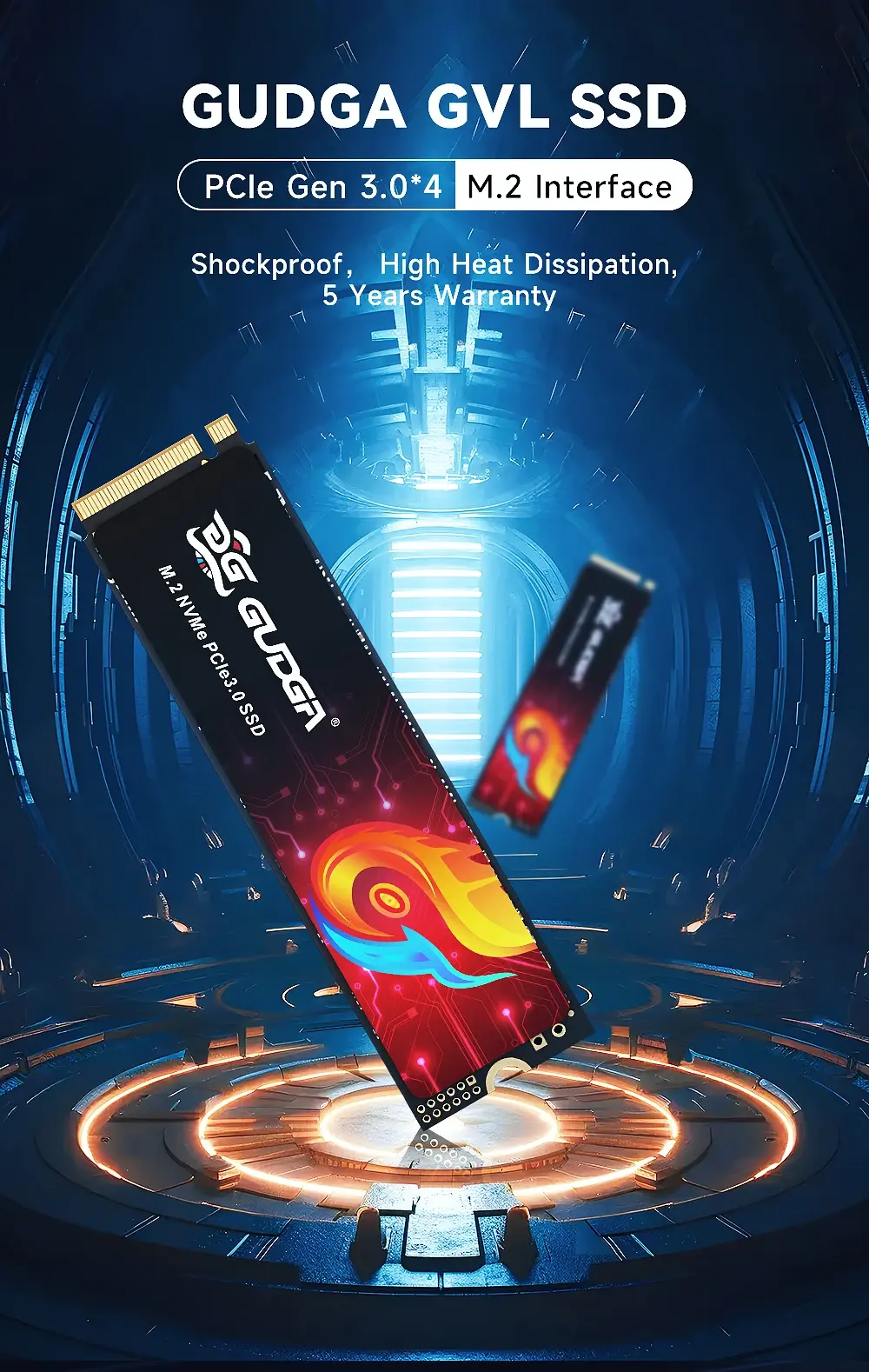
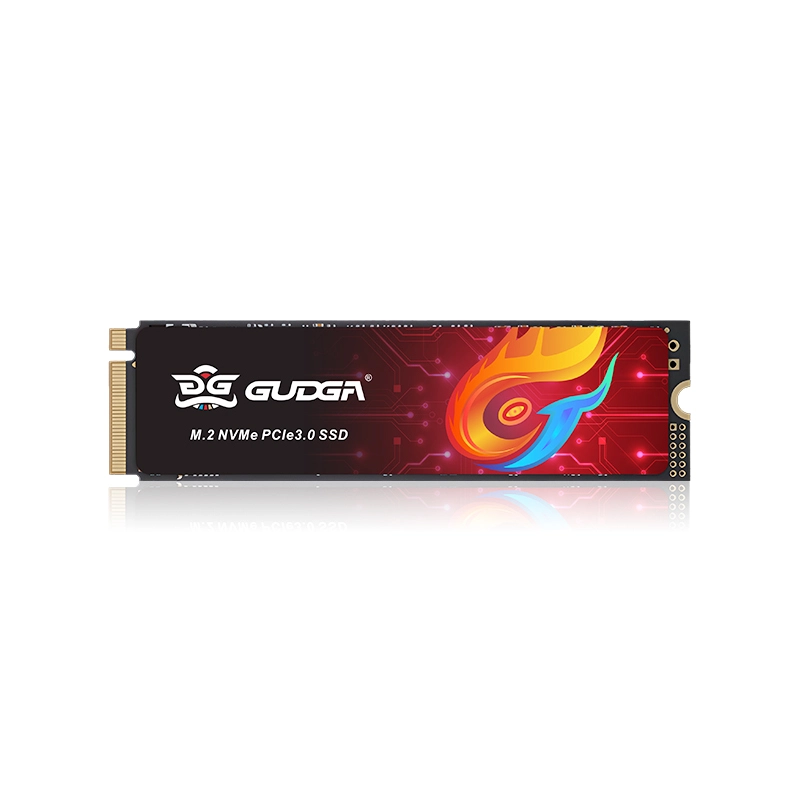
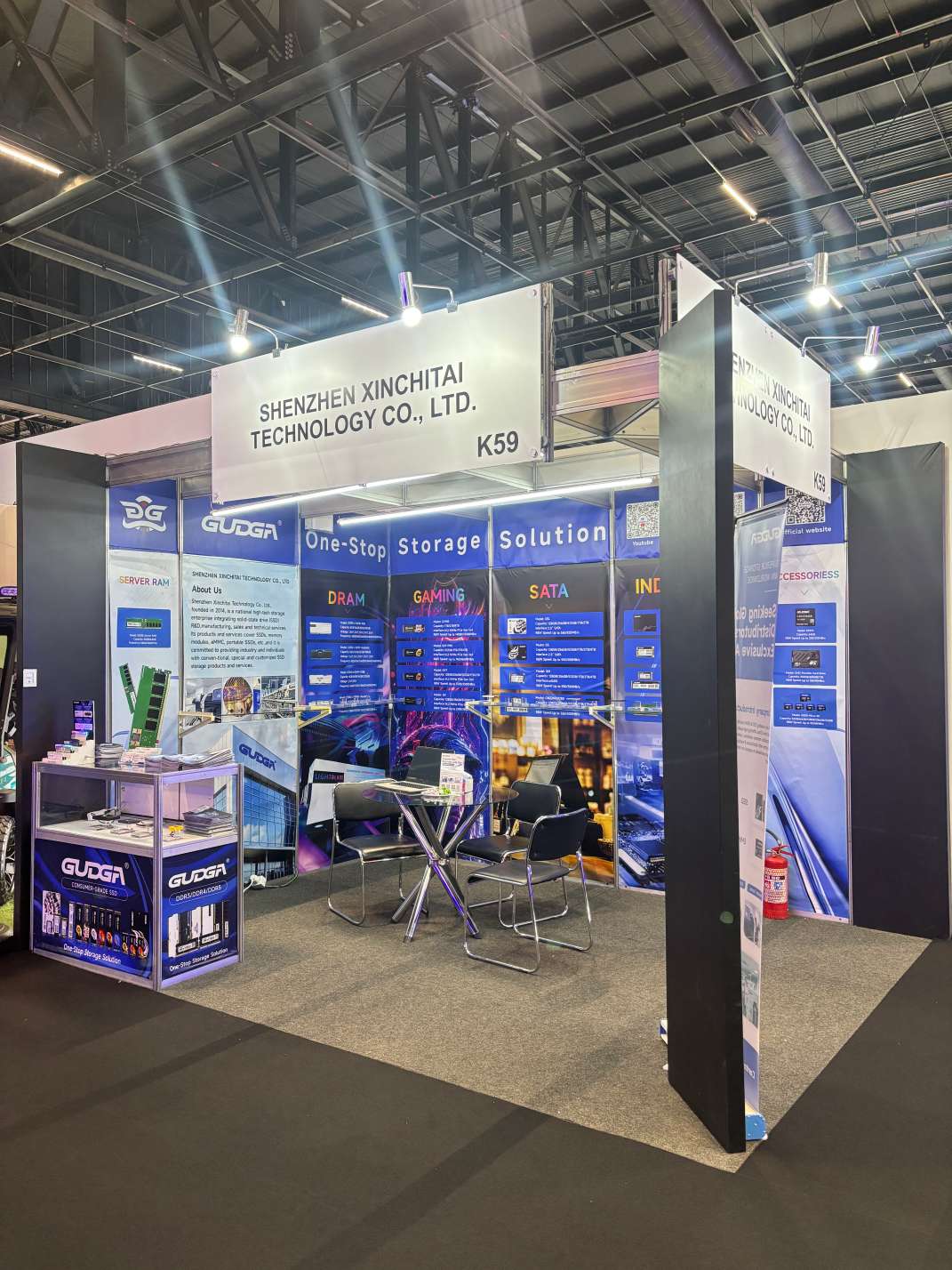
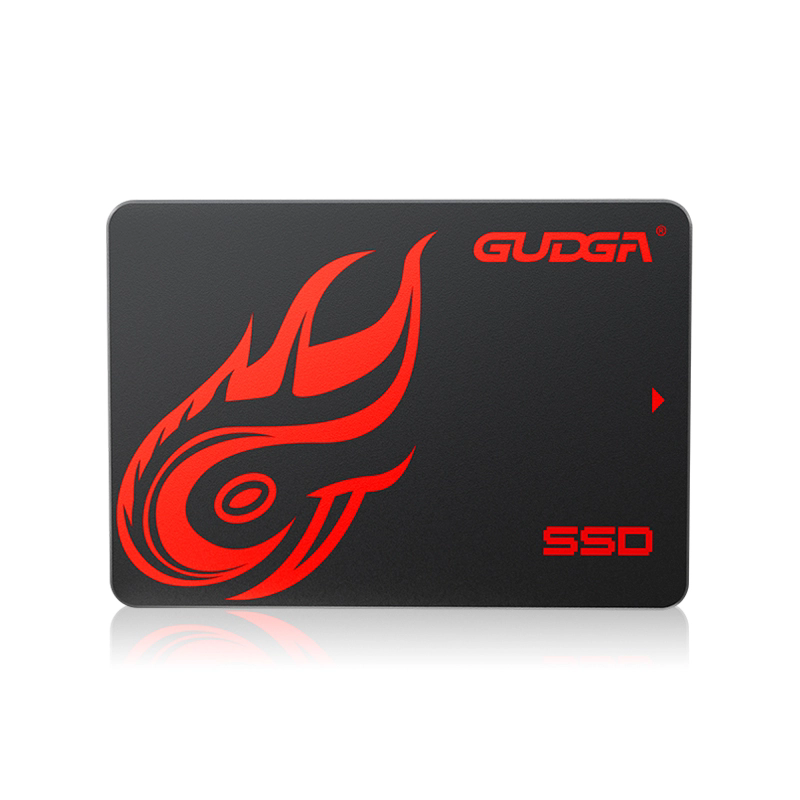
GUDGA is the manufacturer and supplier of professional Internal NVME M.2 PCIE Gen3.0X4 for Laptops in China. We are dedicated to providing solid-state drive storage products and services suitable for industrial and consumer sectors, with a wide temperature range, special and customized features. This product adopts the M.2 interface format and directly connects to the CPU through the PCIe channel, with a reading speed far exceeding that of traditional SATA solid-state drives.
Brand : Gudga
Material : PCBA
Color : Black/green
Lead Time:4-15 Days
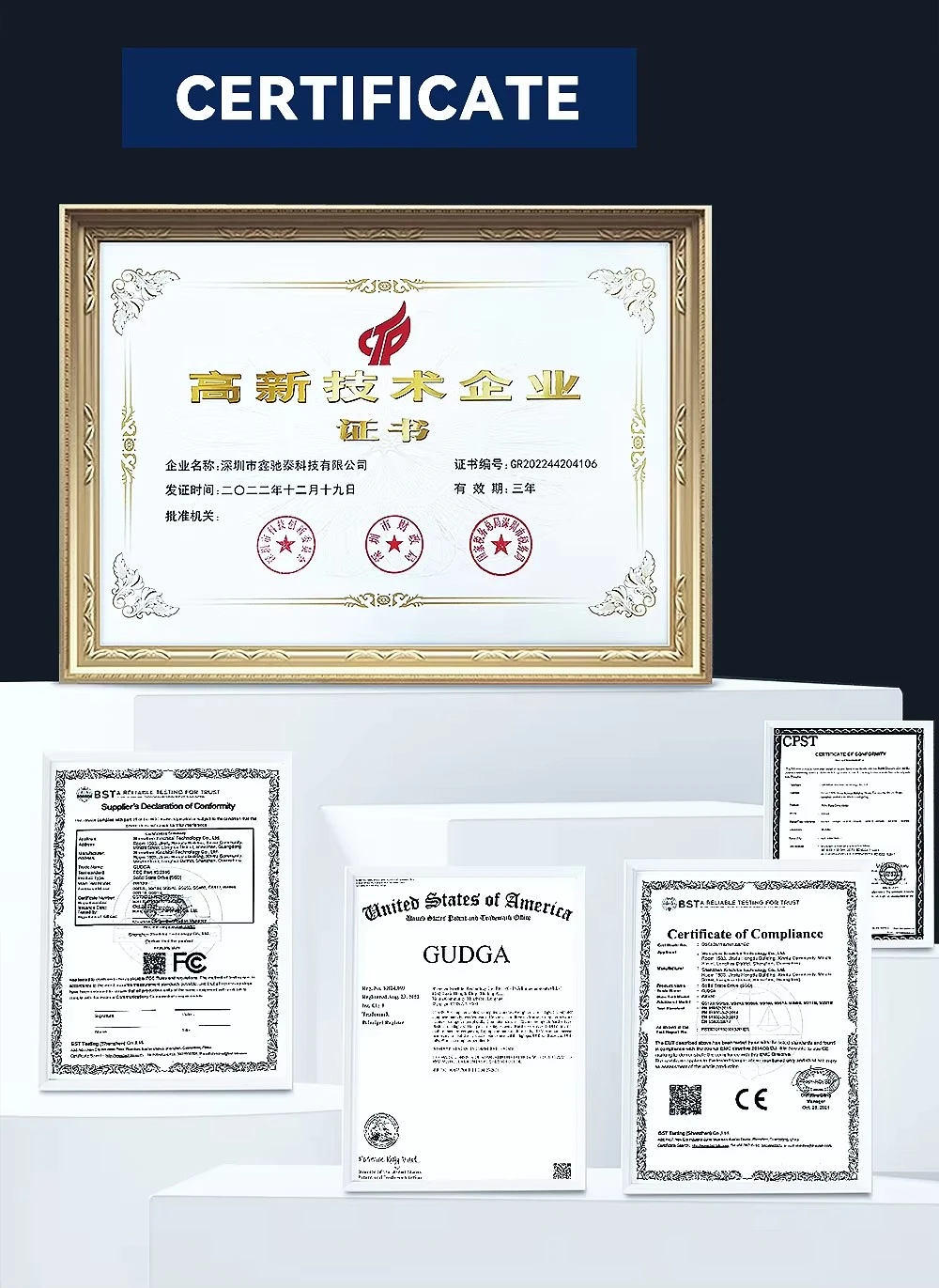
Certification :ISO/CE/RoSH/KC

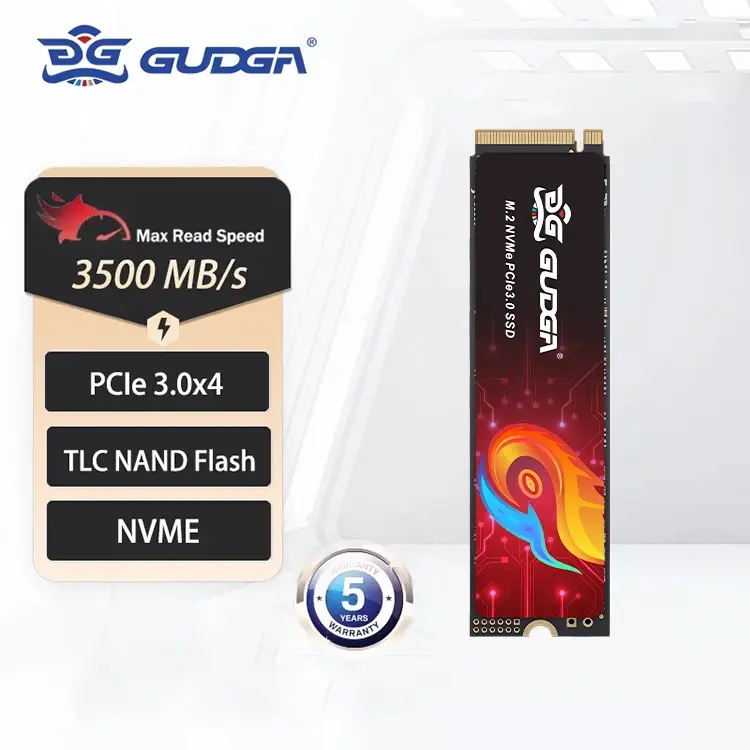
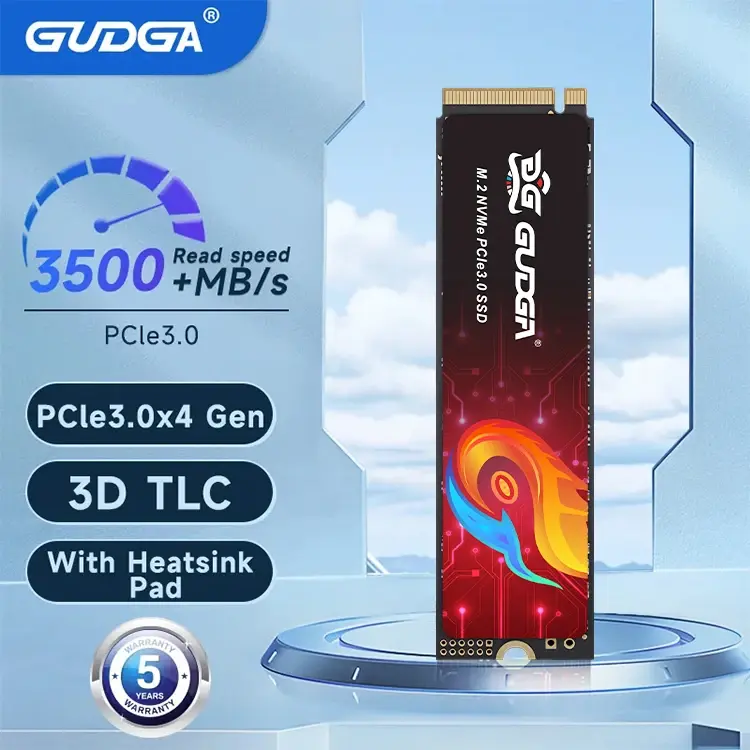
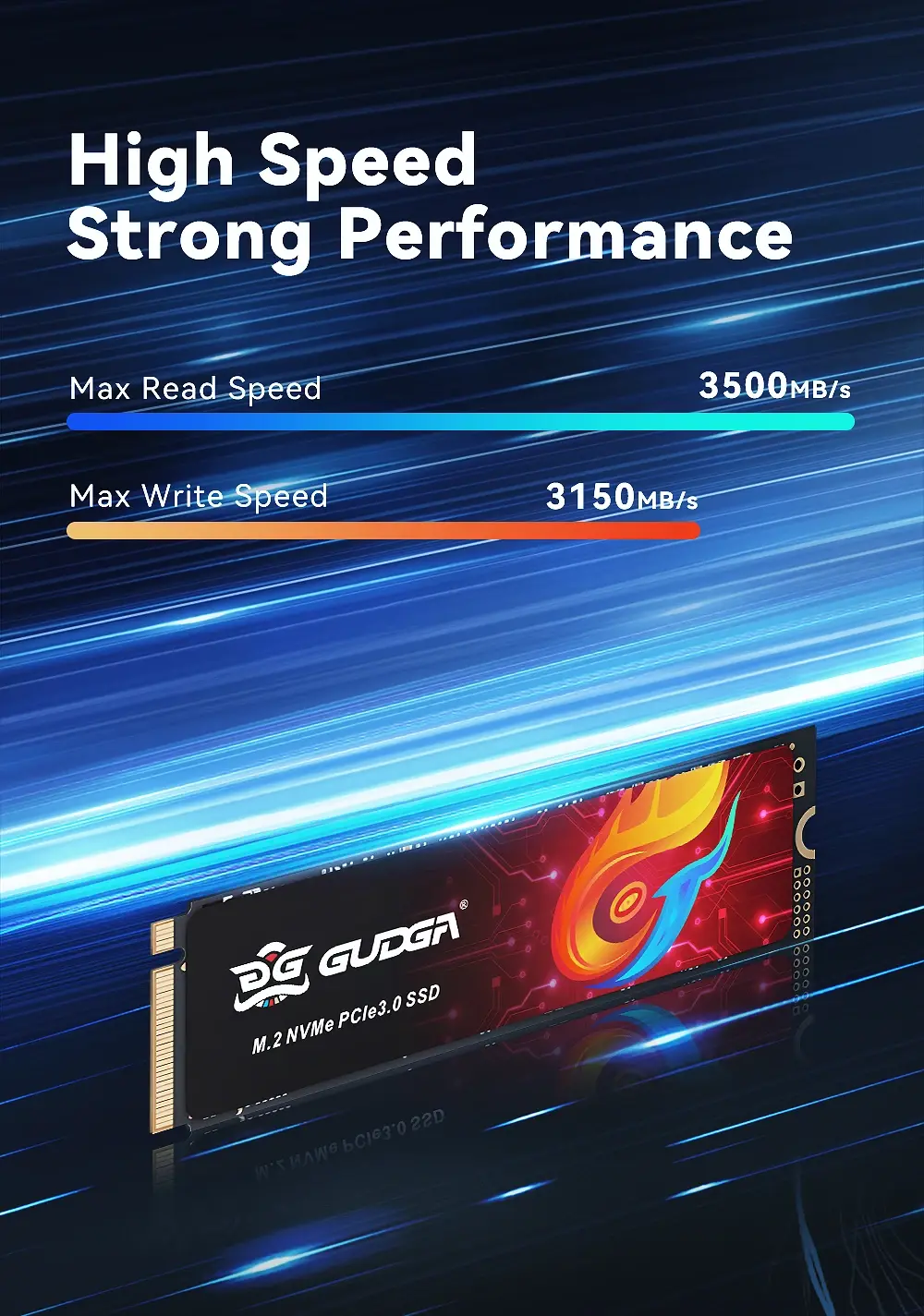
As a professional storage manufacturer and supplier in China, GUDGA has launched the Internal NVME M.2 PCIE Gen3.0X4 for Laptop, which is a high-performance, low-latency, and highly compatible storage upgrade product for both consumer and industrial scenarios. We adopt the standard M.2 interface specification and rely on the PCIE3.0 X4 channel to directly connect to the CPU, completely breaking through the speed bottleneck of traditional SATA solid-state drives and achieving a high-speed transmission performance of up to 3500MB/s read and 3000MB/s write. The comprehensive performance is several times higher than that of ordinary SATA hard drives.


Product Features

High-speed read/write: The theoretical maximum transfer speed of PCIE 3.0 x4 channels can reach [insert speed here] (approximately [insert speed here]), nearly 7 times faster than SATA interfaces (approximately [insert speed here]), significantly improving system responsiveness.

Low latency (NVMe protocol): Abandoning the complexity of the AHCI protocol, Internal NVME M.2 PCIE Gen3.0X4 for Laptop is specifically designed for flash memory, possessing deeper queues and parallel processing capabilities, greatly reducing input/output latency.

Compact and flexible: The M.2 form factor eliminates the need for SATA power and data cables, plugging directly into the motherboard, making it ideal for space-constrained ultrabooks and desktops, and offering excellent heat dissipation.

High durability and caching: Many PCIe 3.0 SSDs (such as the Kioxia EXCERIA G2 and SK Hynix P31) feature independent high-speed cache, providing good TLC durability and a warranty of up to 5 years.

High compatibility: Supports backward compatibility with SATA, and is also backward compatible with PCIe 4.0/5.0 interfaces (operating at 3.0 speed).


Product Parameter

Interface

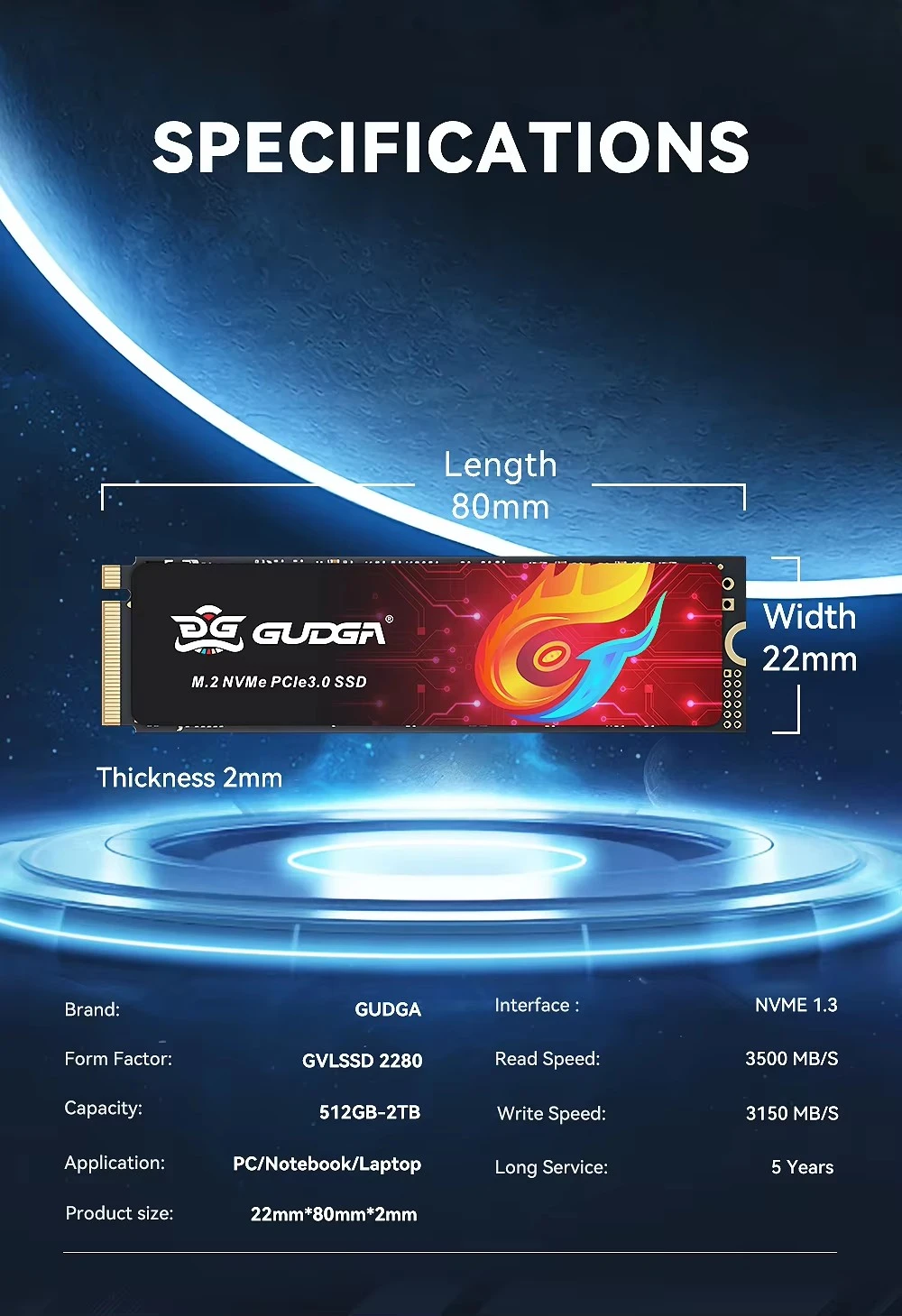
M.2 pcie3.0 NVMe

SSD Capacity

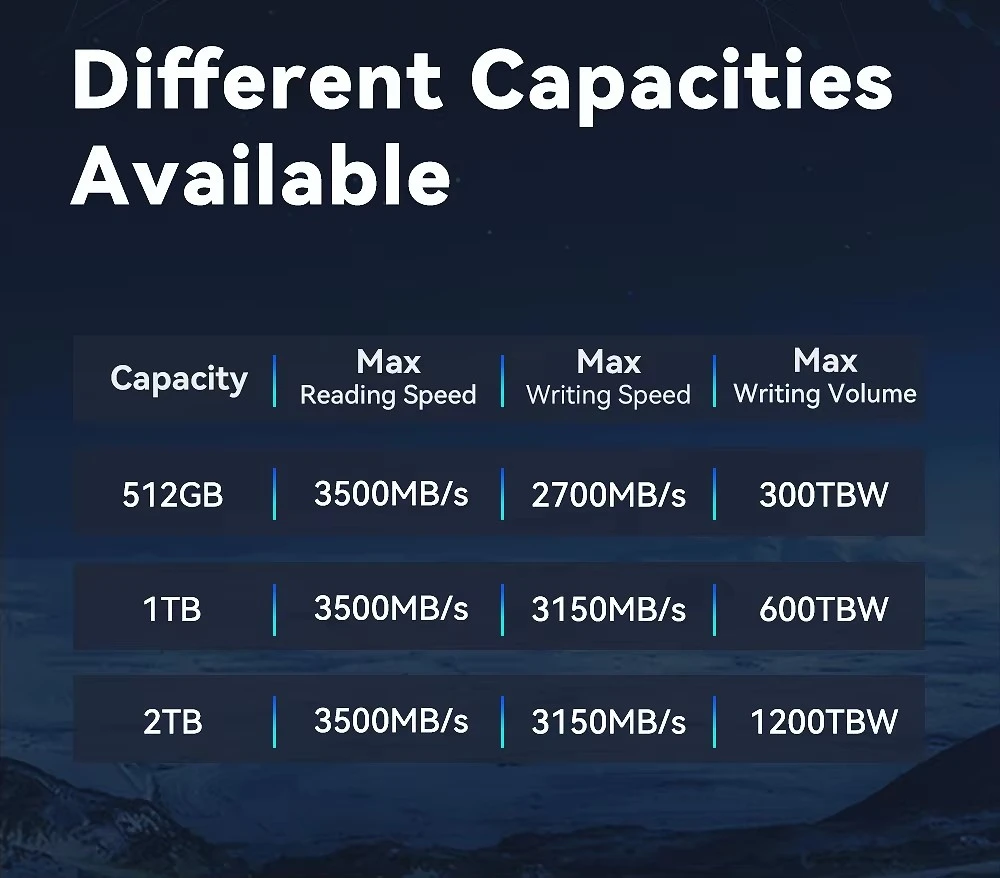
128GB/256GB/512GB/1TB/2TB/4TB

Speed

R:3500MB/S, W: 3000mb/s

System supporT

Windows10、 Windows8. 1、windows 7、Windows xp、Windows 2003、Windows 2008、DOS、Linux、Unix.

Advantage

High-quality TLC flash, combined with industry- leading high-quality controller.

Feature

With heatsink sticker, solve the temperature problem

Warranty

5 years


What are the core advantages?

Key high-performance features of Internal NVME M.2 PCIE Gen3.0X4 for Laptop:

Speed  3000/mb-3500mb/s

and Bandwidth (Performance Leap): PCIe 3.0 x4 theoretically boasts bandwidth up to 4GB/s, with actual sequential read/write speeds typically around [insert speed here], representing a 5-6x improvement over traditional SATA SSDs (approximately [insert speed here]).

Low Latency and High Parallelism: The NVMe protocol abandons the AHCI specification, achieving extremely low storage access latency through extremely high parallelism (up to 64K command queues, 64K commands per queue) and a more efficient data path.

Physical Connection and Direct CPU Connection: The M.2 physical slot (mostly M-Key) directly connects to the CPU via the PCIe bus, bypassing the high latency caused by the traditional southbridge bottleneck.

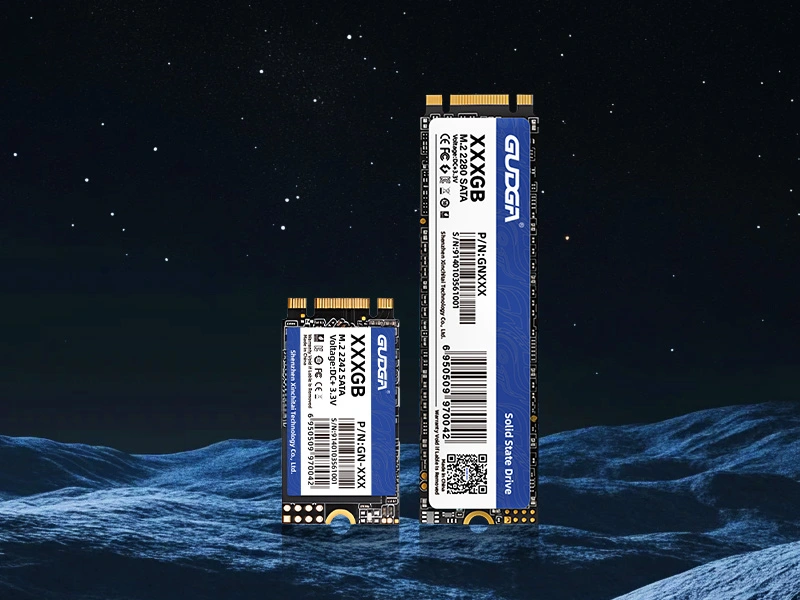
Efficient and Compact Form Factor: Utilizing compact form factors such as 2280 and 2242, it mounts directly onto the motherboard without cables, making it suitable for space-constrained laptop environments and contributing to a cleaner desktop chassis. Mature industry standards: Compared to versions 4.0/5.0, version 3.0 technology is more mature and lower in cost, providing a "sufficient and high-speed" experience in mainstream office and daily applications.


What are the application scenarios?

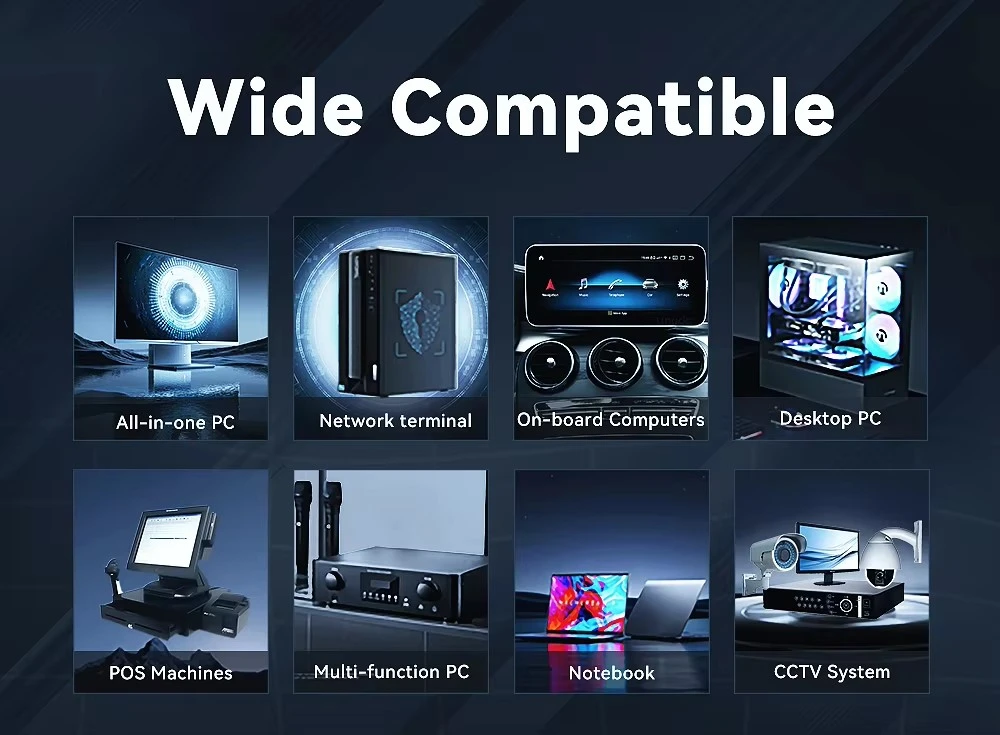
High-performance/thin and light laptop upgrades: The best choice for expanding the capacity of thin and light laptops, enjoying a high-speed experience without taking up extra physical space.

Gamers and professional rendering: Shorten AAA game loading times and improve the creative efficiency of 4K/8K video editing and RAW image processing.

Enterprise-level edge computing: Performs excellently in edge environments (such as AI computing and data center storage) with high requirements for low-latency data transmission and real-time processing.

High-performance, cost-effective builds: Compared to the more expensive PCIe 4.0/5.0 SSDs, Internal NVME M.2 PCIE Gen3.0X4 for Laptop provides a virtually indistinguishable experience in everyday office work and high-speed system boot scenarios, offering extremely high cost-effectiveness.

Internal NVME M.2 PCIE Gen3.0X4 for LaptopInternal NVME M.2 PCIE Gen3.0X4 for LaptopInternal NVME M.2 PCIE Gen3.0X4 for LaptopInternal NVME M.2 PCIE Gen3.0X4 for LaptopInternal NVME M.2 PCIE Gen3.0X4 for LaptopInternal NVME M.2 PCIE Gen3.0X4 for LaptopInternal NVME M.2 PCIE Gen3.0X4 for LaptopInternal NVME M.2 PCIE Gen3.0X4 for LaptopInternal NVME M.2 PCIE Gen3.0X4 for LaptopInternal NVME M.2 PCIE Gen3.0X4 for Laptop

FAQ

Question 1: Why isn't my newly purchased SSD showing up in my computer?

Answer: The new hard drive needs to be initialized (GPT format), partitioned, and formatted in Windows' "Disk Management". normally we will handle it well before shipment. 


Question 2: Does an SSD need defragmentation?

Answer: No, defragmenting an SSD will shorten its lifespan. Windows usually automatically recognizes it as an optimization (TRIM operation).


Question 3: What is the typical lifespan of an SSD?

Answer:Measured by TBW (Total Bytes Written). Even for ordinary users, the daily lifespan of a computer often far exceeds its intended service life.


Hot Tags: Internal NVME M.2 PCIE Gen3.0X4 for Laptop, China, Manufacturer, Supplier, Quality, Wholesale
Send Inquiry
Contact Info
  • Address

    Jianxing Building,Youth Entrepreneurship Park,Jianshe East Road,Qinghua Community,Longhua Street,Longhua district,Shenzhen,China.

Whether you need sample testing or bulk wholesale of M.2 NVME SSD, M.2 SATA SSD and Random Access Memory, you can submit demands here to obtain professional one-stop procurement solutions from GUDGA.
X
We use cookies to offer you a better browsing experience, analyze site traffic and personalize content. By using this site, you agree to our use of cookies.Privacy Policy