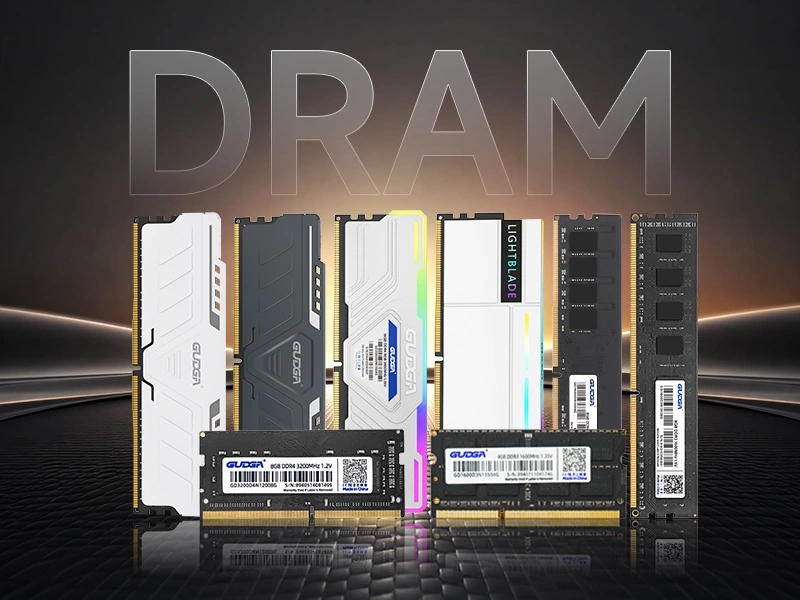
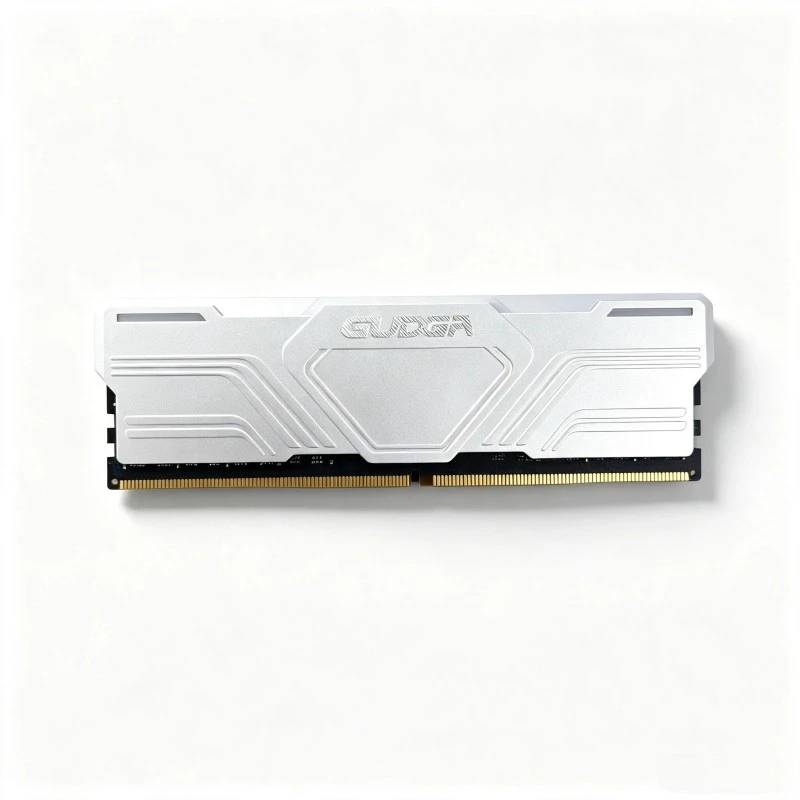
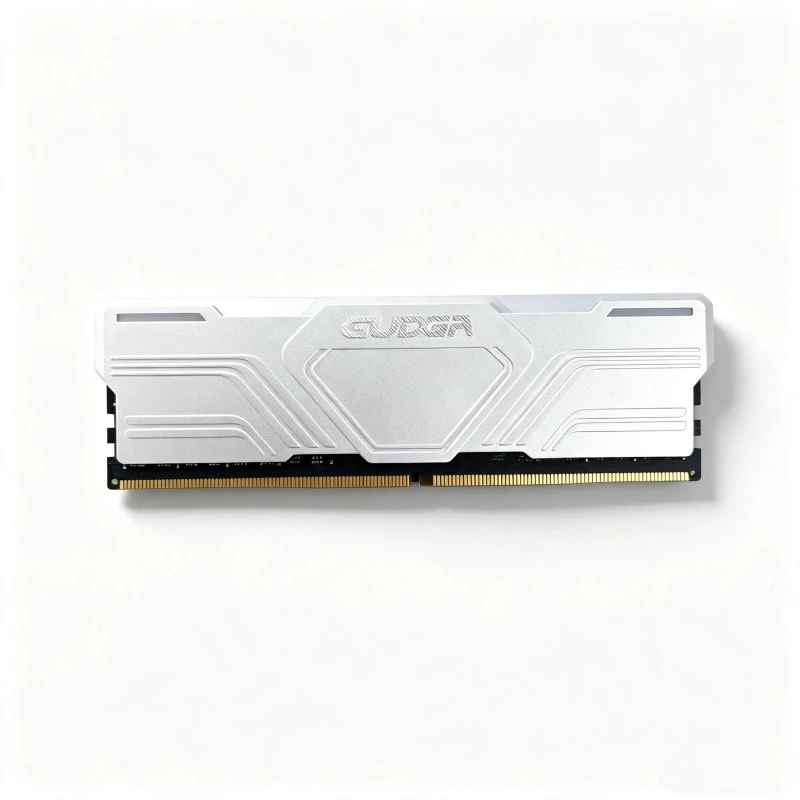
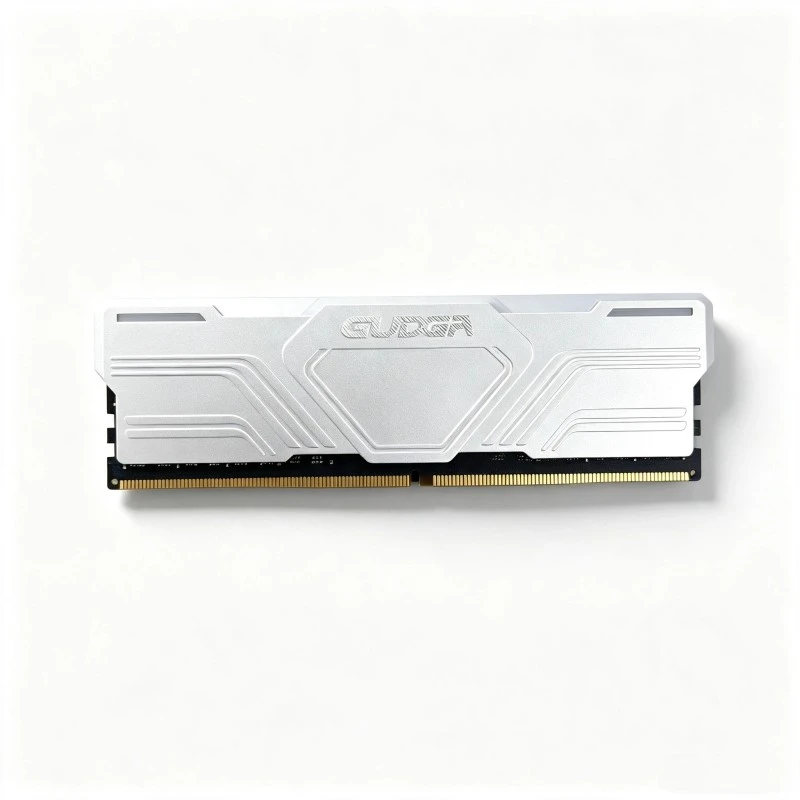
In the operation system of electronic devices, RAM (Random Access Memory) is one of the core hardware components, playing a crucial role in temporarily storing data and performing high-speed reading and writing. It directly determines the smoothness of device operation and the ability to handle multiple tasks. It is widely used in various scenarios such as desktop computers, laptops, servers, industrial control equipment, etc.
What is RAM?
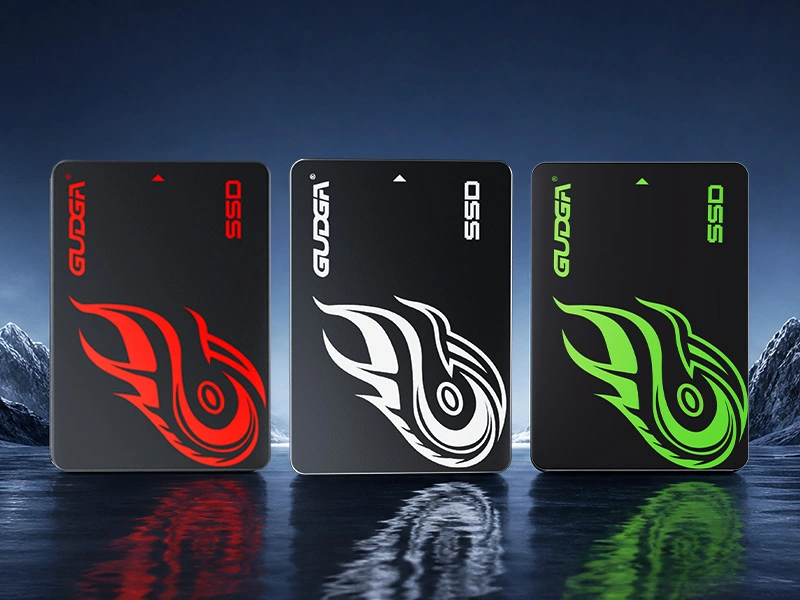
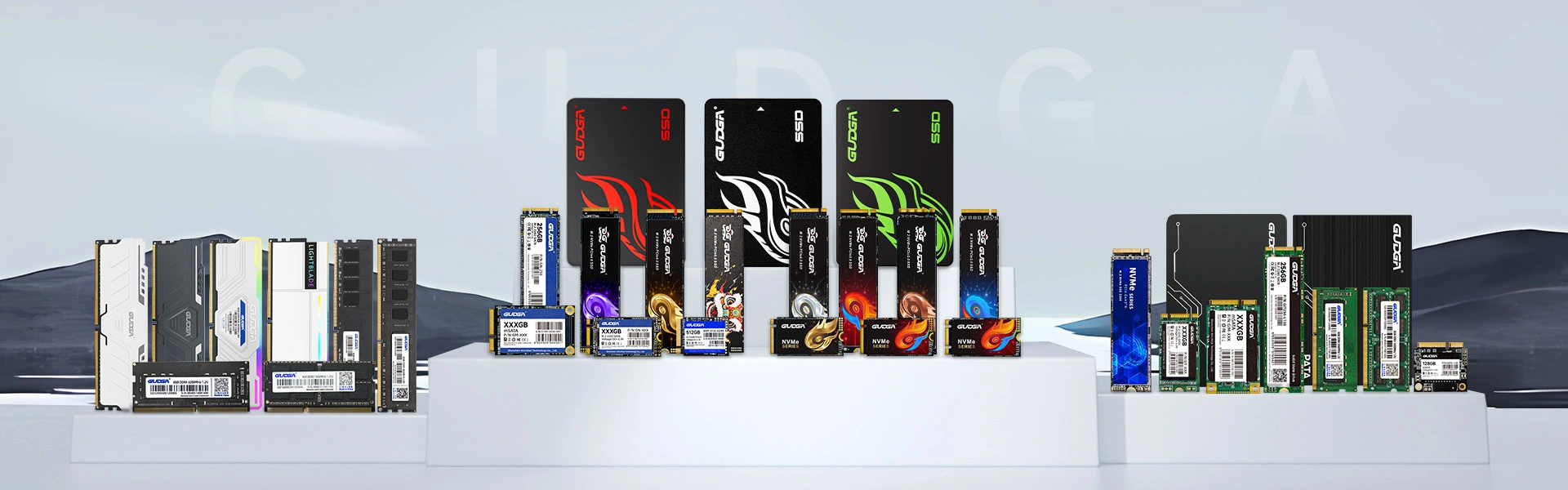
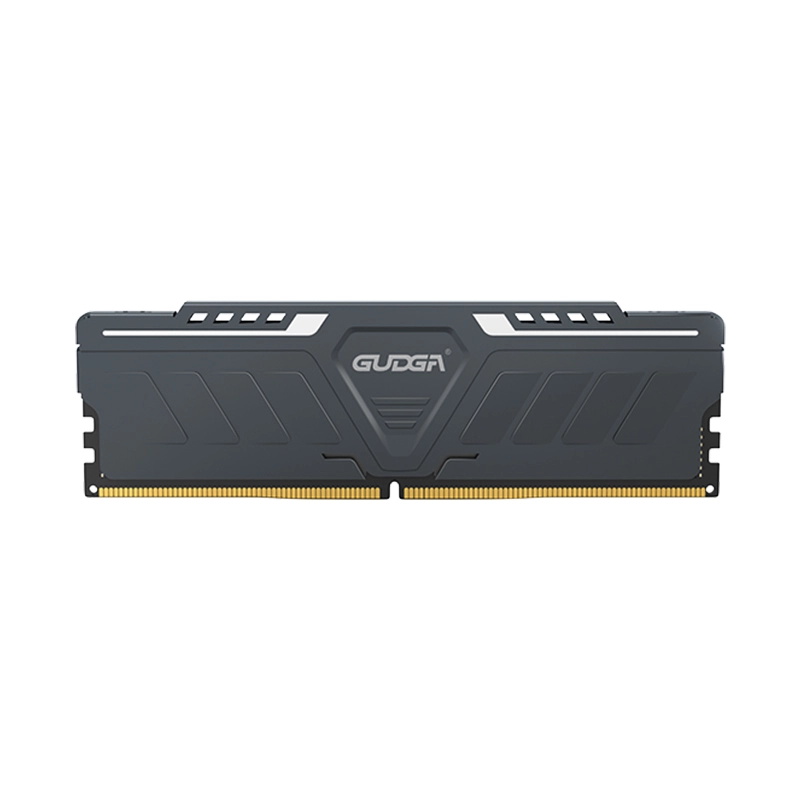
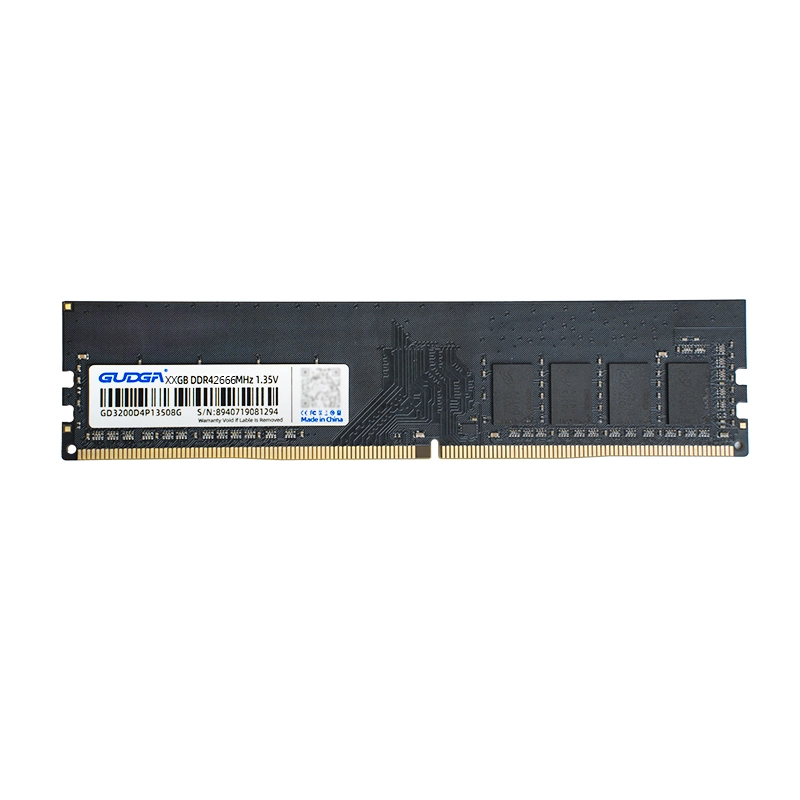
It is an entry-level to mid-range memory product tailored for personal users, home users, and the daily office scenarios of small and medium-sized enterprises. Its core positioning is "high compatibility, high cost-effectiveness, and easy installation". It is mainly adapted to consumer-level devices such as desktop computers, laptops, and mini hosts, used to meet the running needs of basic scenarios such as daily office work, web browsing, audio and video playback, and casual games. It is currently the type with the largest market demand and the highest purchase frequency for RAM, and it is also the core best-selling series of the GUDGA brand. At the same time, it can form a complementary scenario with GUDGA 2.5 SATA SSD, and when used together, it can significantly improve the device's running smoothness and meet the pairing needs of more purchasing scenarios.
How to choose a cost-effective consumer-grade RAM for daily office and entertainment?
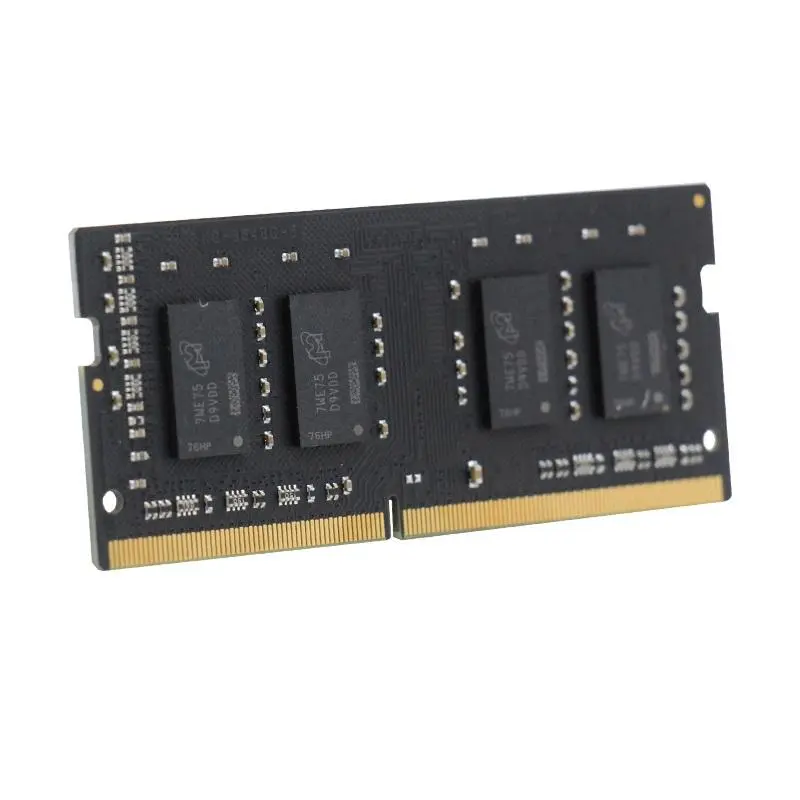
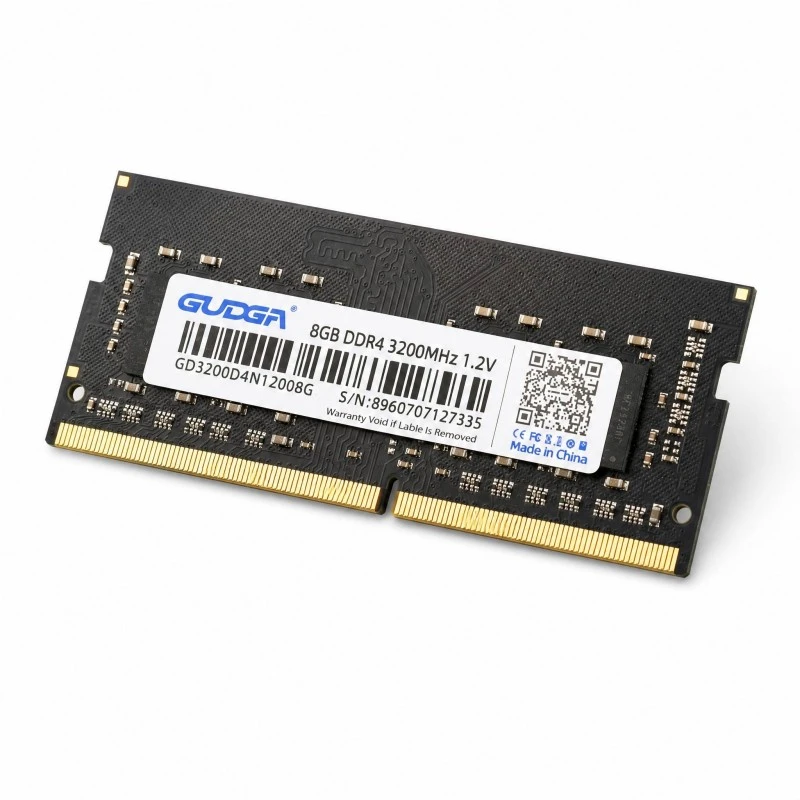
The GUDGA consumer-grade Random Access Memory adopts a "high compatibility and high stability" hardware configuration. The core uses original factory positive film DRAM chips, which have been strictly selected and tested by GUDGA. Inferior chips are rejected to ensure stable memory operation, reducing blue screens and lagging issues. At the same time, an 8-layer PCB board design is adopted to ensure reasonable signal line spacing and avoid signal interference during high-frequency operation. The interface uses electroplated gold technology to enhance contact conductivity, ensuring more stable operation of the computer system. Advanced soldering technology is used, with smooth and full solder joints without any voids, extending the lifespan of the memory.
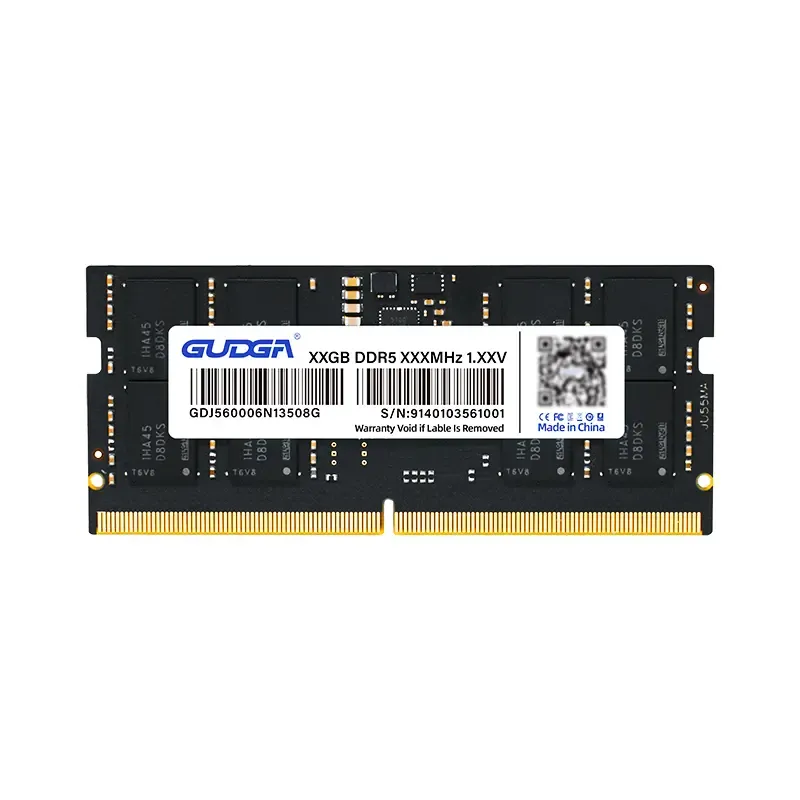
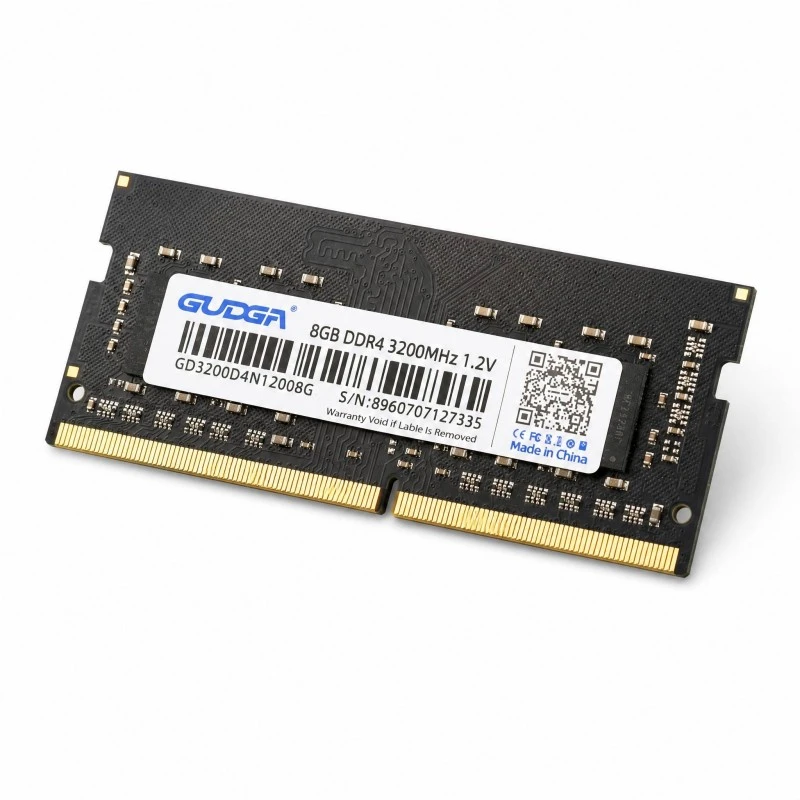
Currently, GUDGA consumer-grade RAM mainly covers three mainstream specifications: DDR3, DDR4, and DDR5. It is compatible with devices of different eras - the mainstream frequency of DDR4 is 2400MHz, 2666MHz, and 3200MHz, with a voltage of 1.2V, and the timing is low (such as CL16–18), with an actual delay of 45–60 ns. It has strong compatibility and is compatible with desktops and laptops manufactured from 2015 to 2023. It has outstanding cost performance. DDR5 specifications start at 4800MHz, with mainstream frequencies ranging from 6000–7200MHz, a voltage of 1.1V, and each single chip is split into 2×32-bit sub-channels, with stronger concurrency. It is compatible with new devices manufactured after 2023, providing more powerful performance. It can meet the needs of light design, large-scale casual games, etc.
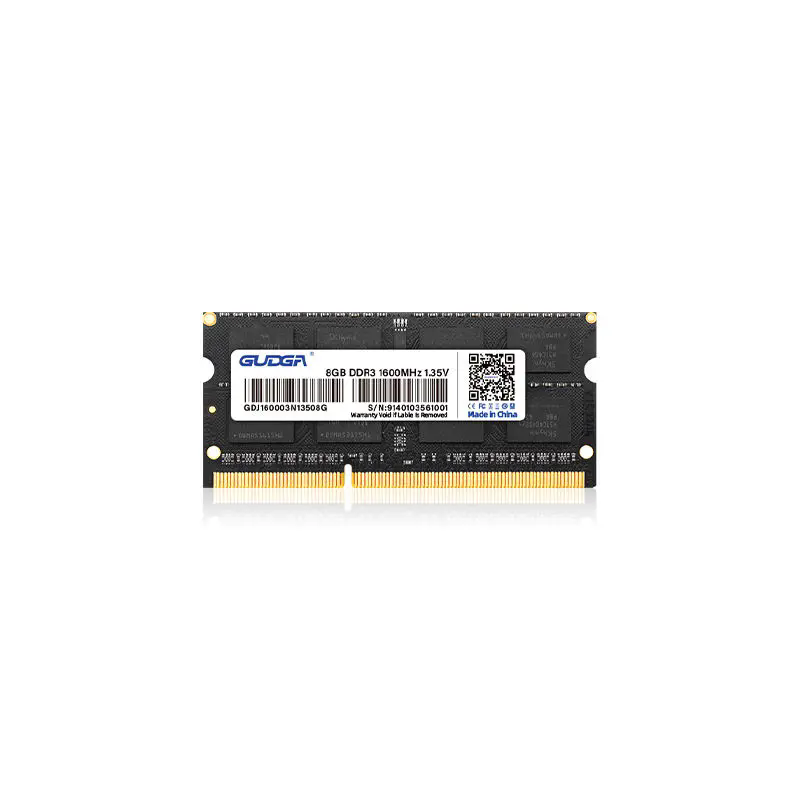
The capacity selection is flexible, covering mainstream capacities such as 4GB, 8GB, 16GB, and 32GB, which can meet different purchasing needs. At the same time, two packaging forms are provided: UDIMM (for desktops) and SO-DIMM (for laptops). UDIMM is suitable for desktops, while SO-DIMM is small in size and suitable for laptops and mini hosts, further enhancing compatibility. When purchasing, you can choose flexibly based on the type of equipment.
What are the advantages of GUDGA brand RAM?
As a mainstream brand of consumer-grade Random Access Memory, GUDGA has become the top choice for many individual users and small businesses due to its strong R&D capabilities, strict quality control system and high cost-effectiveness.
1. High compatibility, suitable for multiple devices, no concerns during purchase. GUDGA consumer-grade RAM strictly follows industry standards and is compatible with mainstream processors such as Intel and AMD, suitable for the vast majority of desktops, laptops and mini computers on the market. Whether upgrading old devices or installing new ones, it can be perfectly compatible without worrying about compatibility issues. Batch purchases do not require individual testing of compatibility, significantly improving purchasing efficiency, and supporting various operating systems such as Windows, Mac and Linux, plug-and-play, no additional debugging required, reducing deployment costs after purchase.
2. High stability, guaranteed after-sales service, more peace of mind during purchase. The product undergoes multiple testing procedures such as high and low temperature tests, vibration tests, and stability tests. The storage temperature range is 0℃ to +70℃, with an average failure-free operating time (MTBF) of up to 1.5 million hours. It also offers a 5-year warranty service, free testing and rapid repair, ensuring no worries for the purchase.
3. High cost-effectiveness, more cost-effective during purchase, the best value choice. Compared to products of the same industry and level, GUDGA consumer-grade RAM is 10% to 20% lower in price. Batch purchases can enjoy exclusive discounts, and it also supports batch customization of capacity and logo, meeting the personalized purchasing needs of small and medium-sized enterprises.
4. Easy installation, strong adaptability, reducing post-purchase usage costs. GUDGA consumer-grade RAM adopts standardized design. Both desktop UDIMM memory and notebook SO-DIMM memory use tool-free installation design. Individual users can install it themselves, and small and medium-sized enterprises can save installation time when batch installing, reducing labor costs. At the same time, the memory has a simple appearance design, excellent heat dissipation performance, low noise during operation, improving the usage experience, suitable for daily office, home entertainment and other scenarios.
When you need a Random Access Memory for your computer?
1. After opening the software for a while, it would freeze, spin in circles, the mouse would show a spinning icon, open WeChat, browser with over a dozen tabs, WPS, live streaming software. Switching between them would cause lag and significant delay.
2. Opening more web pages in the browser would cause it to crash and freeze. Opening more than 10 tabs would cause lag. The browser would be unresponsive. Basically, it's due to insufficient memory.
3. Even though no large games were running, the usage rate of the computer reached 80% to 90%. Open the task manager → Performance → Memory. Daily idle state also occupied a high amount of memory. It's definitely necessary to add more memory.
4. Switching software would take a long time, window dragging would have a shadow effect, and it would take 1 to 2 seconds to pop up after clicking on a software. Switching windows would not be smooth.
5. Playing games would cause lag, frame drops, sudden teleportation, slow loading. The game frequently experienced lag, long loading times for reading images, and frame drops in the middle. The graphics card was fine, but it was the memory bottleneck.
6. Booting up slowly, shutting down slowly, and program startup was extremely slow. This was especially noticeable in old computers. Even solid-state drives were slow. Most likely, the memory was small.