Shenzhen Xinchitai Technology Co., Ltd.
News

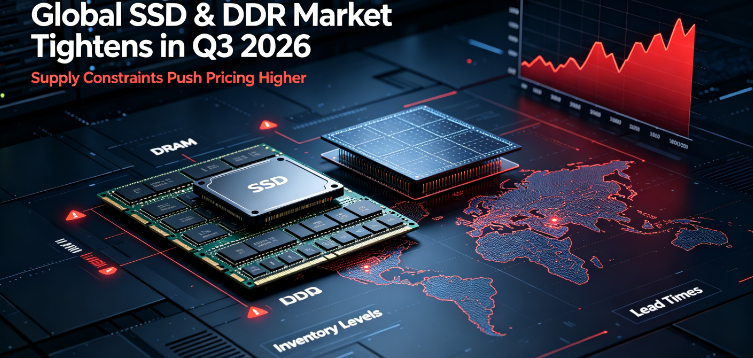
The storage market in July 2026 showed significant divergence: SSD prices stabilized while DDR5 prices continued to rise, reaching new highs.

2026-07-31 0 Leave me a message

Recently, the global storage market has exhibited a significant structural divergence. Entering July 2026, consumer-grade SSD prices generally stabilized, with minimal fluctuations in end-market pricing and a relatively balanced supply and demand. Meanwhile, DDR5 memory prices continued their upward trend throughout the year, with monthly increases widening and year-on-year growth significantly increasing, becoming the biggest price variable in the storage industry. Industry analysts point out that the restructuring of production capacity driven by AI computing power and the mismatch between supply and demand are the core factors driving this polarization in the storage market. The industry has officially moved beyond the homogeneous cycle of widespread price increases and decreases, entering a new stage of structural divergence.


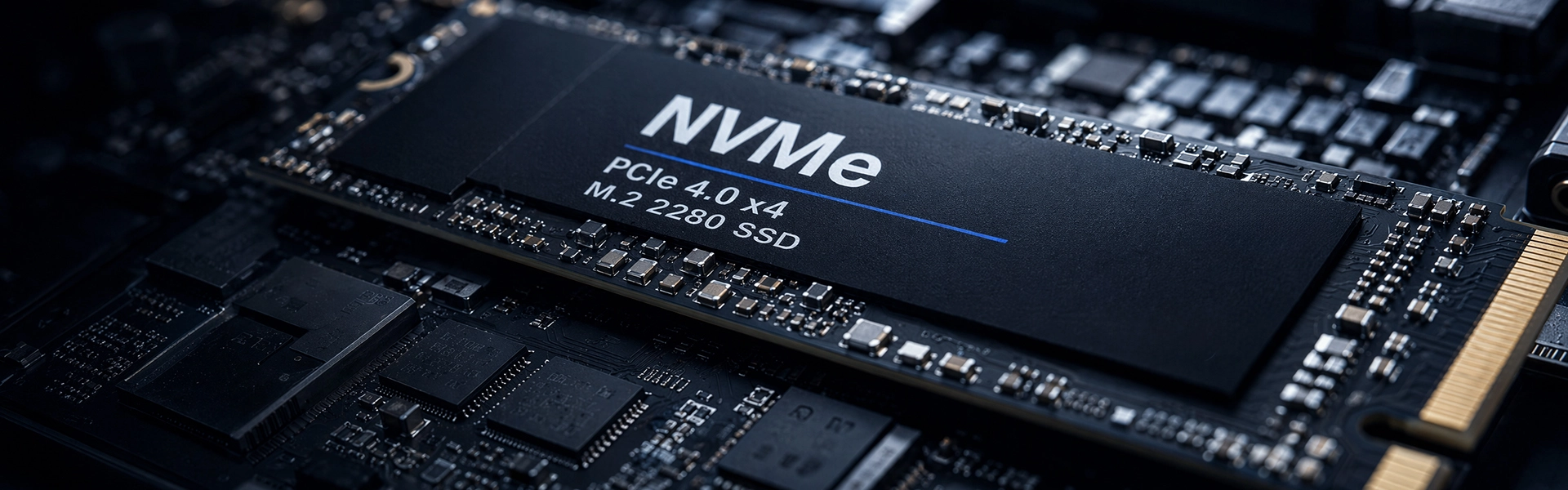
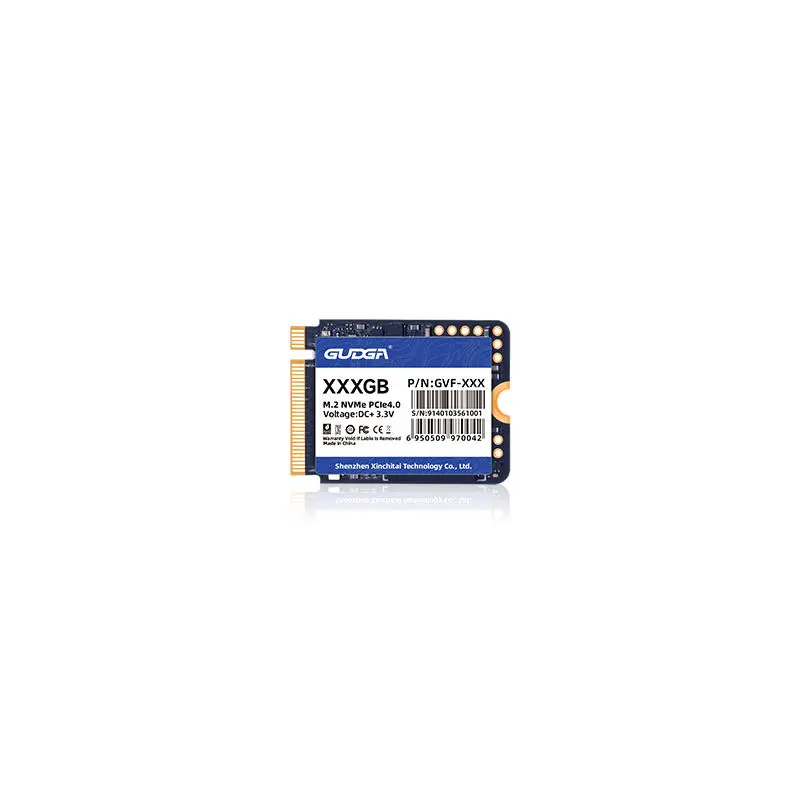
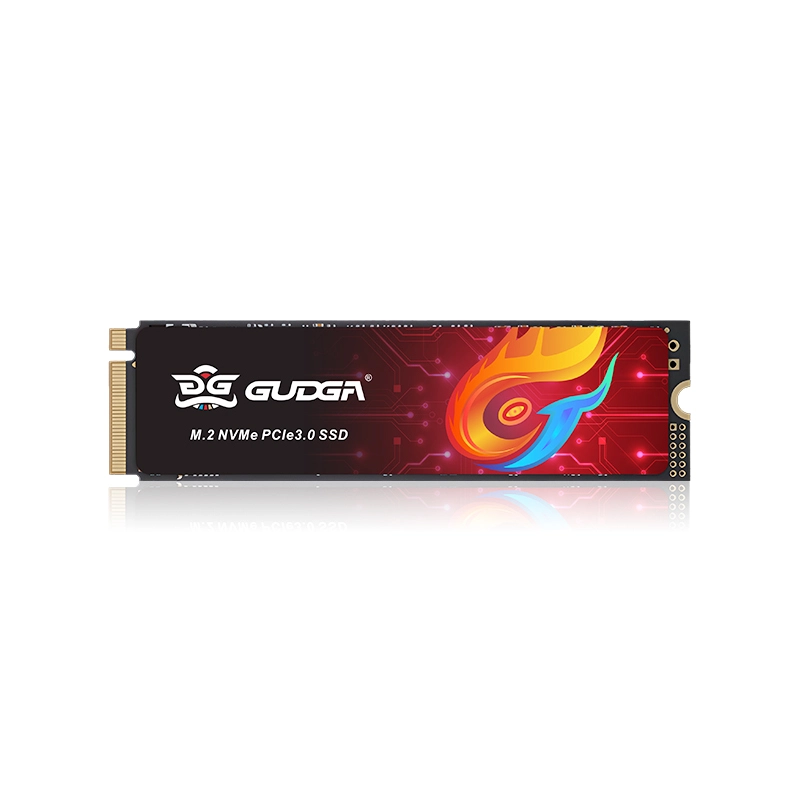
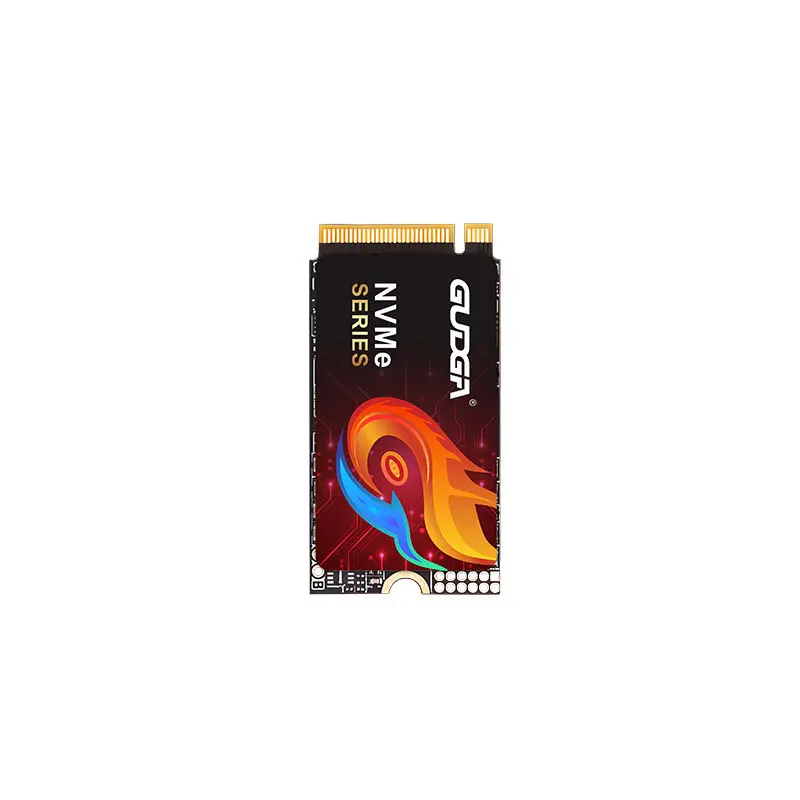
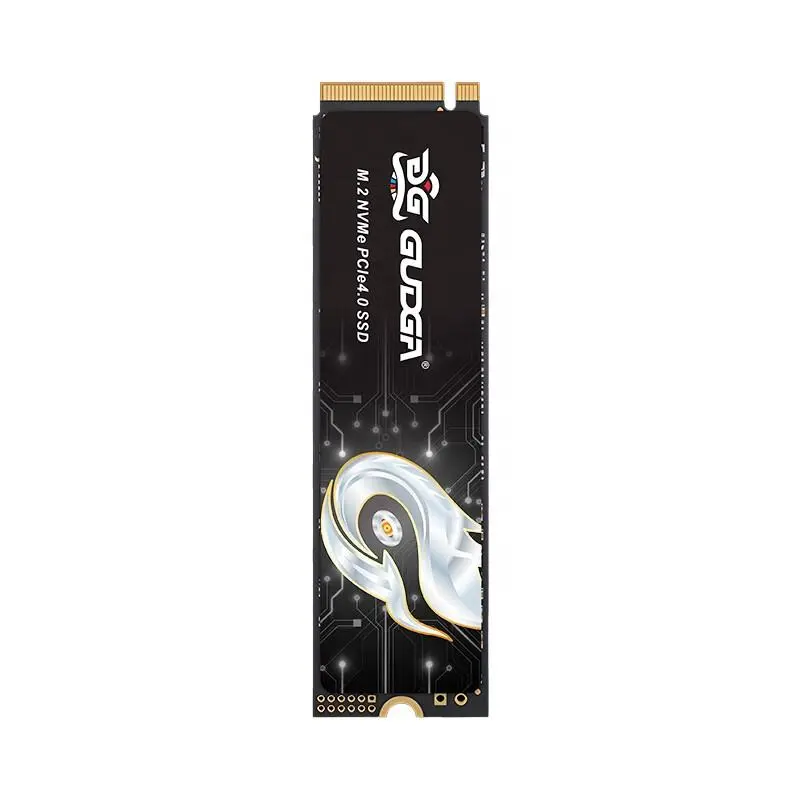
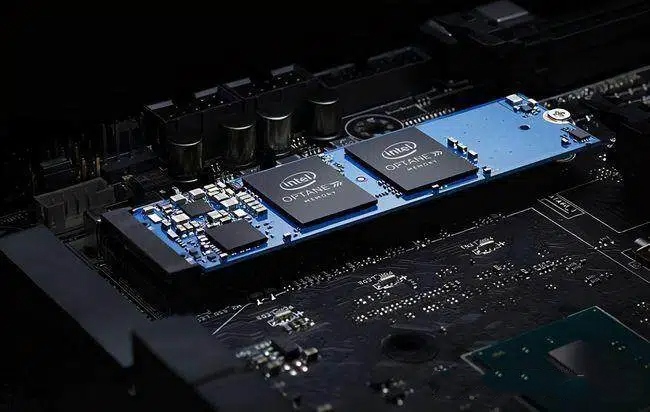
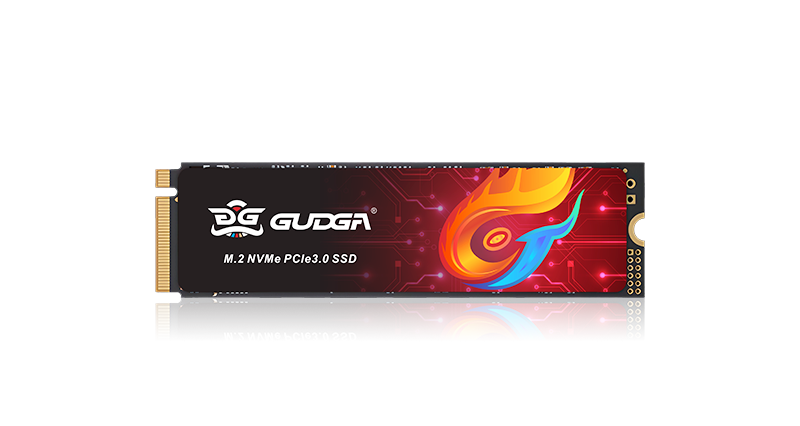
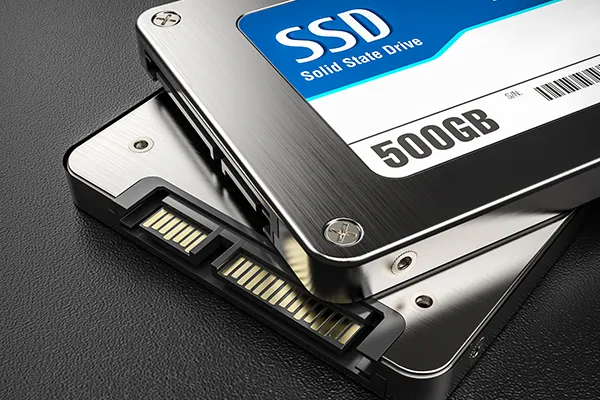
From the SSD market performance perspective, prices for various consumer-grade and mainstream PC SSD products have now entered a stable range. According to domestic hardware channel pricing data, the current prices of mainstream 1TB and 2TB PCIe 4.0 SSDs have remained relatively stable, without significant price fluctuations, and brand price differences have remained normal. Compared to the price fluctuations caused by previous fluctuations in memory chip production capacity, the current inventory of NAND flash memory chips is within a reasonable range. Samsung, SK Hynix, Micron and domestic memory manufacturers are releasing production capacity steadily, and the supply and demand in the consumer SSD market are basically balanced.


Meanwhile, the competitive landscape of the SSD market effectively offset the pressure of price increases. On the one hand, domestic storage chips and independent brands continued to exert their strength, steadily increasing production capacity and filling the market supply gap, effectively suppressing the potential for significant price increases. On the other hand, the growth rate of demand in the consumer electronics and PC markets was moderate, without concentrated stockpiling or a surge in demand. Channel inventory turnover was orderly, and manufacturers did not need to adjust prices to balance the market. Overall, price trends were stable and controllable, and consumers' costs for building and upgrading PCs remained stable.


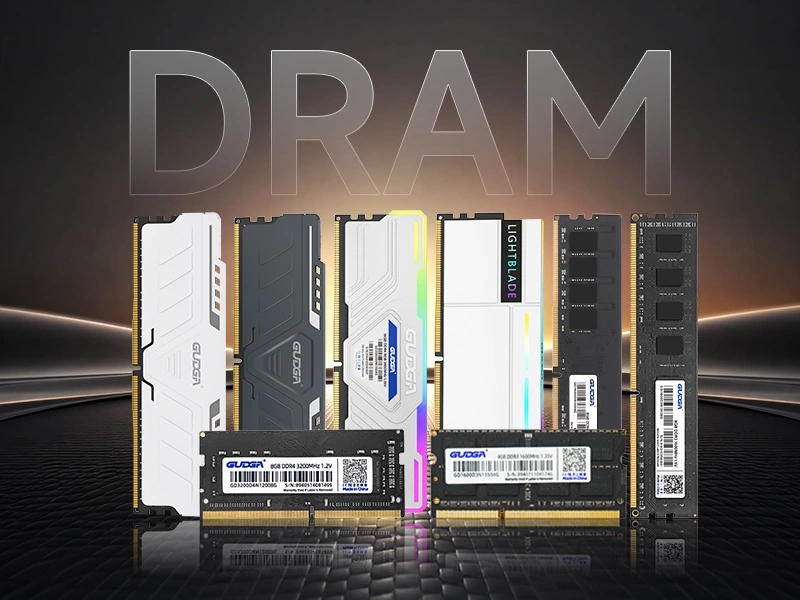
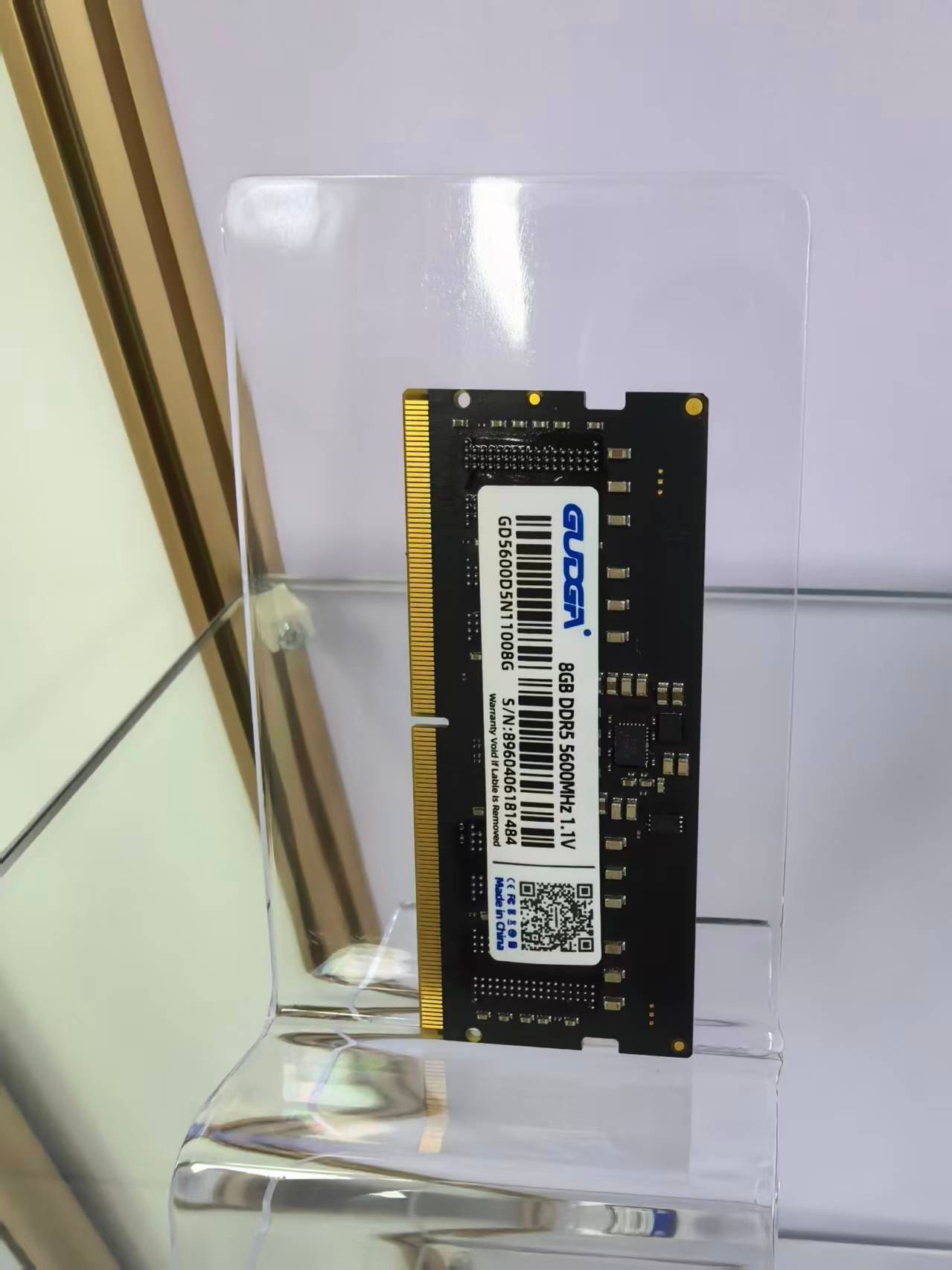
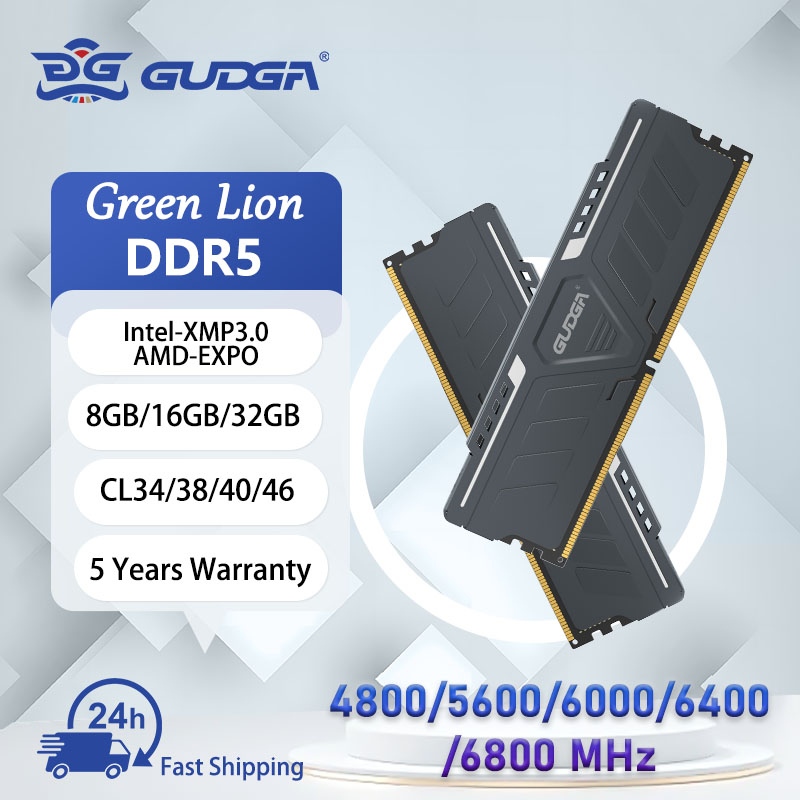
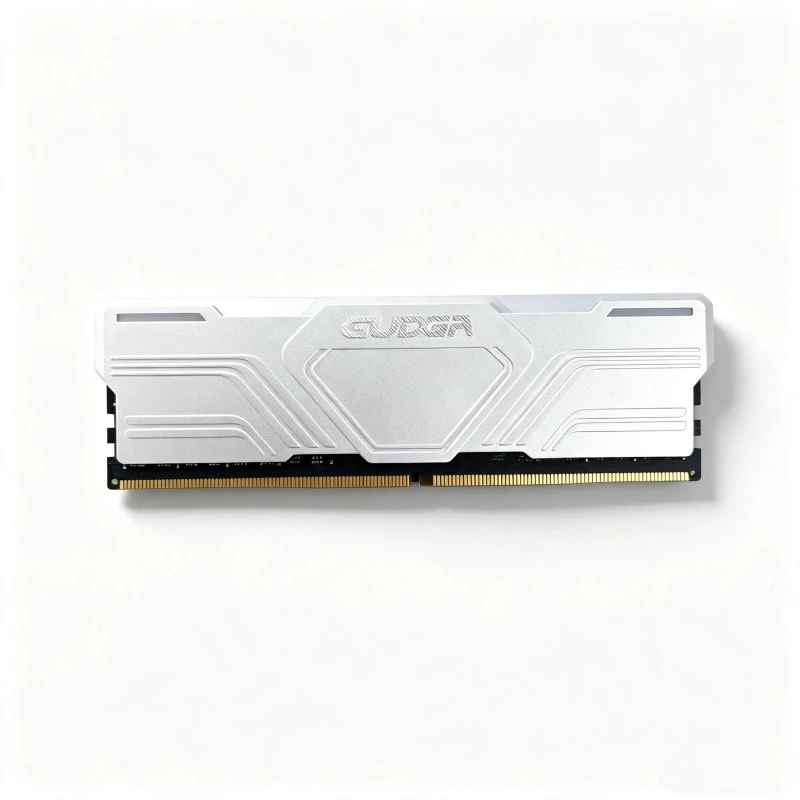
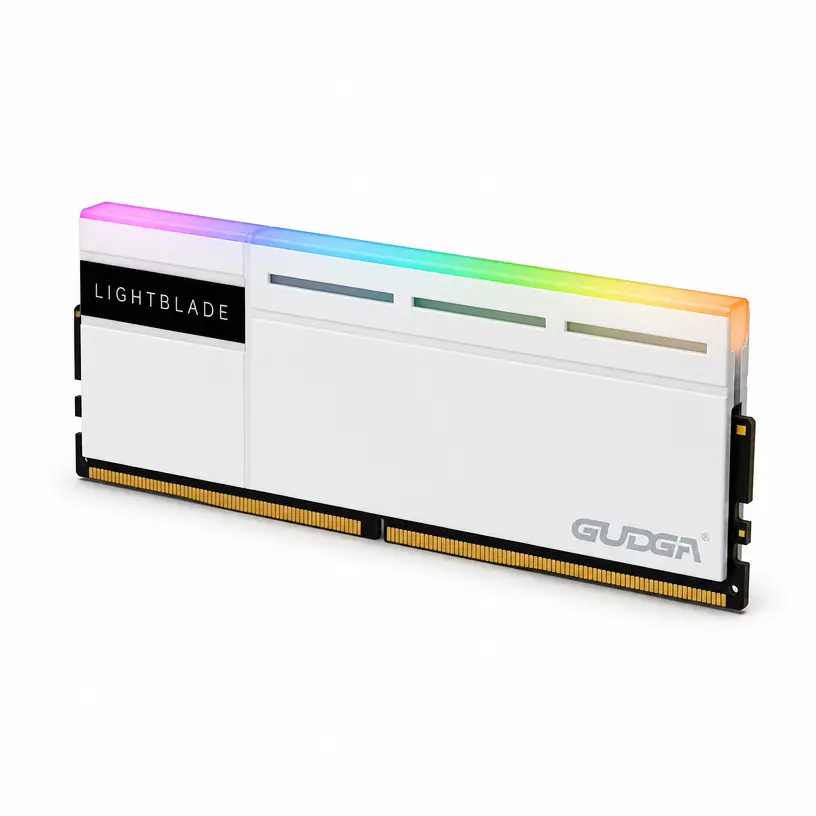
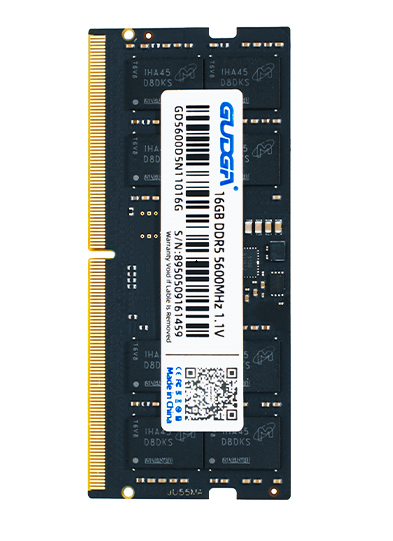
In stark contrast to the stable trend of SSDs, DDR5 memory prices continued to rise, with the price increase trend persisting throughout the first half of 2026 and continuing into July. According to the latest data from industry organization ThinkComputers, DDR5 memory prices rose by 7% in July 2026, a staggering 448% increase compared to the same period in 2025. Prices of many mainstream capacity DDR5 memory modules reached new highs in nearly two years. Channel data shows that the contract prices and terminal retail prices of mainstream DDR5 16GB and 32GB modules continued to rise, and market procurement costs steadily increased.


The core reason for the continued price increase of DDR5 is the structural restructuring of industry capacity brought about by the explosive growth of AI computing power. The world's three major DRAM manufacturers, Samsung, SK Hynix, and Micron, have significantly adjusted their capacity layout, allocating over 40% of their DRAM capacity to the production of HBM high-bandwidth memory, high-end DDR5 for servers, and other AI computing power-supporting storage products, to fully guarantee the demand from AI data centers and high-end servers. Since a single HBM chip occupies 2-3 times the wafer area of ordinary DDR5, a large amount of capacity is being used for high-end AI storage products, directly squeezing the supply of consumer-grade and civilian-grade DDR5.


This severe mismatch between supply and demand has further exacerbated the price increase. Currently, the overall inventory of the three major memory manufacturers is only sufficient for 3-5 weeks, far below the industry safety stock standard of 6-8 weeks, resulting in a structural shortage in the consumer-grade DDR5 market. At the same time, the demand for AI servers is exploding. The memory demand of a single AI computing device far exceeds that of traditional servers. In 2026, the demand for AI-related DRAM has exceeded 40%, and it is expected to exceed 50% in 2027. Global storage capacity resources continue to tilt towards the high-end computing power market, and the supply gap of civilian DDR5 continues to widen.


In addition, major overseas manufacturers are prioritizing orders from leading technology companies' AI clients, further highlighting the supply gap in the domestic high-end DDR5 market. Prices for some domestically produced DDR5 modules have already surpassed those of overseas brands, leading to a continued expansion of premiums in the end-user market. As a result, memory material costs for laptops, desktops, and consumer PCs have risen sharply. The cost of memory in entry-level thin and light laptops has surged from 10% to over 30%, indirectly driving up the overall cost of these products.


Regarding future market trends, industry analysts believe that in the short term, the SSD market is likely to remain stable, with sufficient NAND production capacity and stable consumer demand, providing no basis for significant price fluctuations. However, the DDR5 price increase is not yet over. Given the continued surge in AI computing power demand and the difficulty in adjusting production capacity structure in the short term, DDR5 prices are likely to remain high with slight upward fluctuations in the second half of the year. In the long term, as storage manufacturers bring in new production capacity and gradually optimize their capacity structure, the DDR5 supply-demand imbalance is expected to gradually ease, but structural differentiation within the industry will become the norm.


For consumers, the cost-effectiveness of SSD upgrades and system builds is currently stable, allowing for normal, on-demand purchasing. DDR5 memory is recommended for purchase only as needed to avoid increased costs from later restocking at higher prices. For industry manufacturers, this market differentiation is forcing companies to adjust their product portfolios, balancing high-end AI storage with consumer-grade storage capacity to alleviate the supply-demand imbalance.


Related News
Leave me a message
X
We use cookies to offer you a better browsing experience, analyze site traffic and personalize content. By using this site, you agree to our use of cookies.Privacy Policy
RejectAccept