News

RAM & SSD Wholesale Prices Converge With Local Retail Rates, Reshaping Storage Channel Profit Margins

2026-09-07 0 Leave me a message

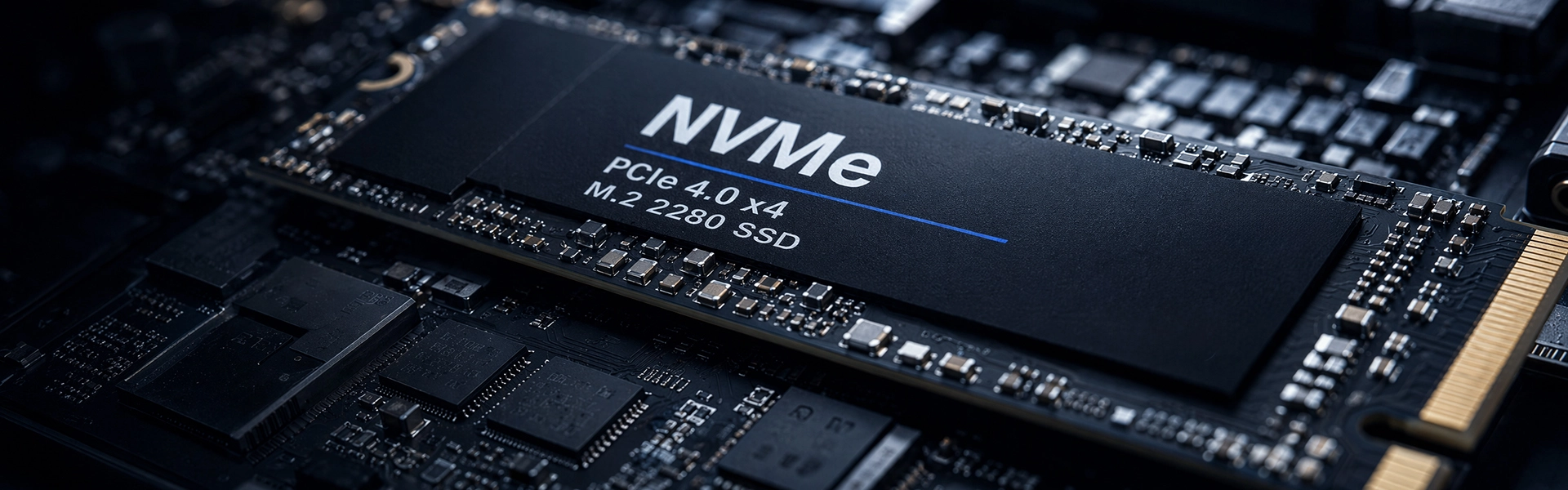
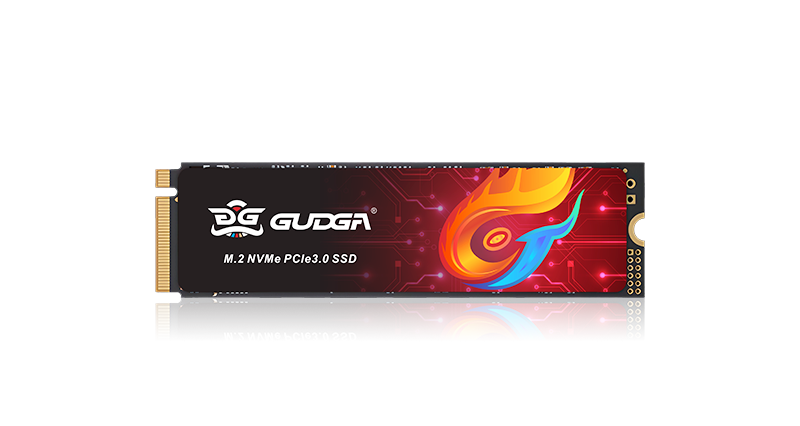
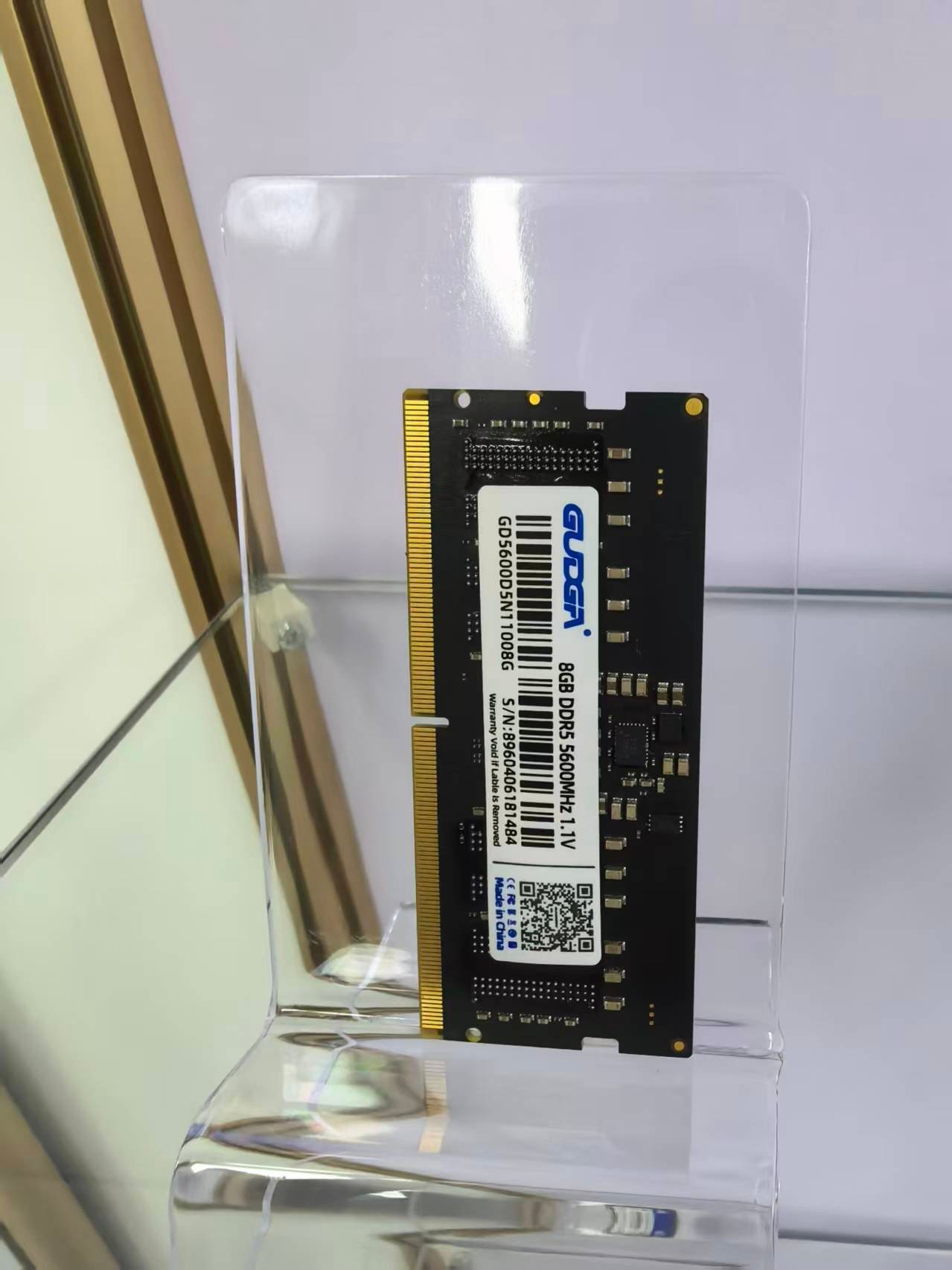
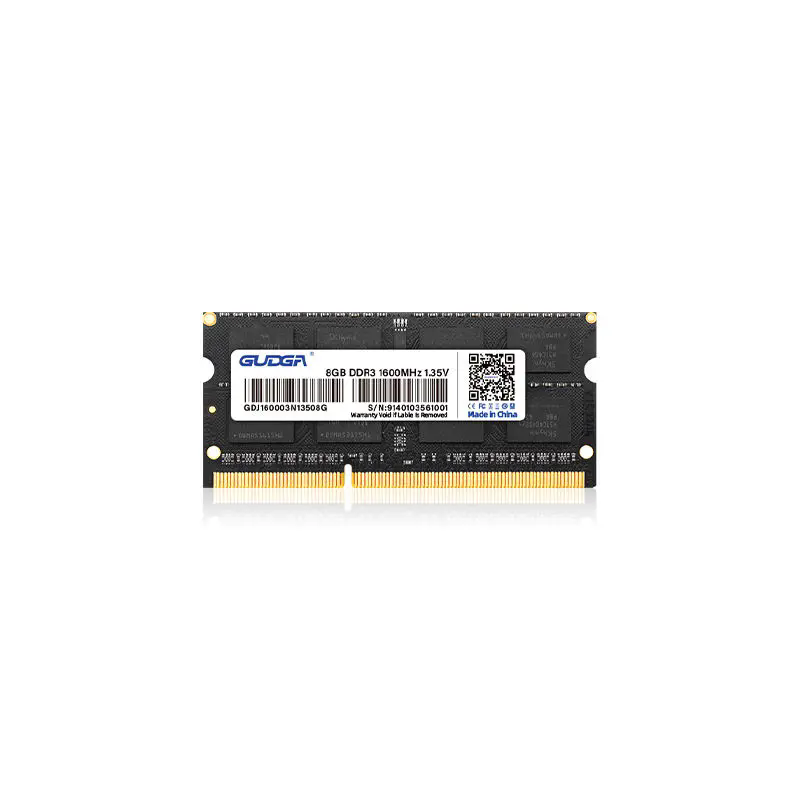
The storage market has witnessed a notable emerging trend recently. Distributors and procurement clients widely report that the factory wholesale prices of mainstream RAM and SSD products have become nearly equivalent to local terminal retail prices, resulting in a sharp compression of traditional channel profit margins. The long-standing profit model relying on the price gap between wholesale and retail has almost vanished. Rather than being an isolated case of individual brands, this phenomenon stems from the industrial changes in production capacity, supply-demand relations and channel mechanisms in 2026, and is fundamentally reshaping the profit and transaction landscape of the memory and solid-state drive segment.


Tightened pricing control by upstream original manufacturers serves as the core cause of narrowing price differentials. The global storage particle market remains dominated by leading manufacturers, which hold absolute pricing power over DRAM and NAND flash particles. Driven by the booming demand for high-end storage products fueled by the AI industry, major manufacturers have prioritized production capacity for HBM and enterprise-grade high-end storage solutions this year, slowing down capacity release for consumer and general-purpose RAM and SSD products. Meanwhile, original manufacturers have strictly regulated channel supply prices and shipment volumes through non-cancelable non-returnable (NCNR) agreements and prepayment deposit policies, unifying global basic contract prices. This has substantially limited the pricing adjustment space for brand vendors, leaving little room for profit concessions in downstream wholesale pricing.

Full price transparency in the terminal retail market has further eliminated wholesale-retail price gaps. The prevalence of e-commerce platforms and digital live-stream sales has fully publicized the specifications, parameters and pricing of RAM and SSD products, completely erasing the information asymmetry that once benefited offline retailers. To capture market share, both online and offline merchants have adopted a small-profit quick-turnover strategy, cutting terminal retail prices aggressively and even selling inventory at near-cost prices to boost sales volume. Traditional regional price barriers have been completely broken down, leading to standardized and declining retail prices nationwide, and ultimately forming a market pattern where factory wholesale prices align closely with terminal retail prices.


Furthermore, the industry’s inventory structure and supply-demand balance have exacerbated price homogenization. The industry completed the destocking cycle by the end of 2025, and most circulating RAM and SSD products in 2026 are newly produced batches with sufficient spot inventory. In addition, new production capacity requires a 1.5 to 2-year construction cycle and has not yet been fully released. The market is currently in a balanced state of adequate spot inventory and constrained incremental capacity, leaving little room for drastic price fluctuations. Small and medium-sized retailers no longer need bulk stockpiling and can flexibly replenish goods from the spot market without bearing high inventory holding costs, thus eliminating the need for inflated retail pricing and further narrowing the wholesale-retail price gap.


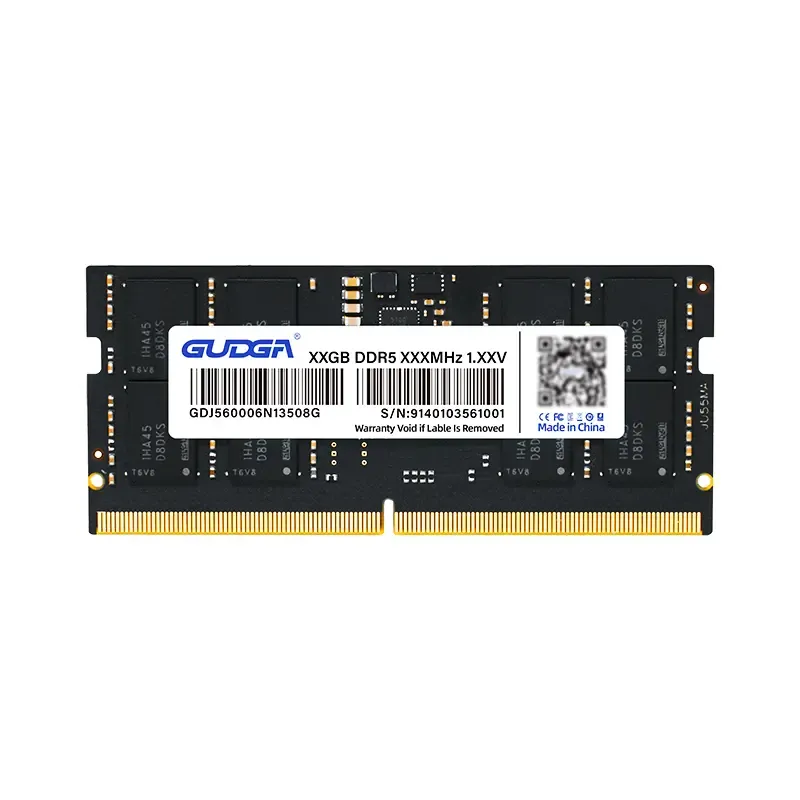
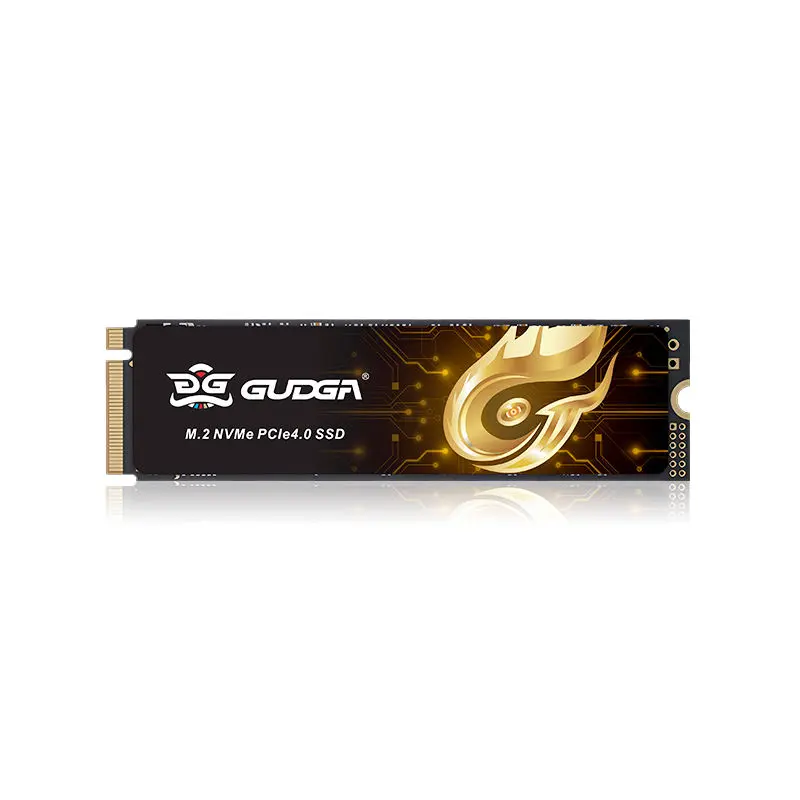
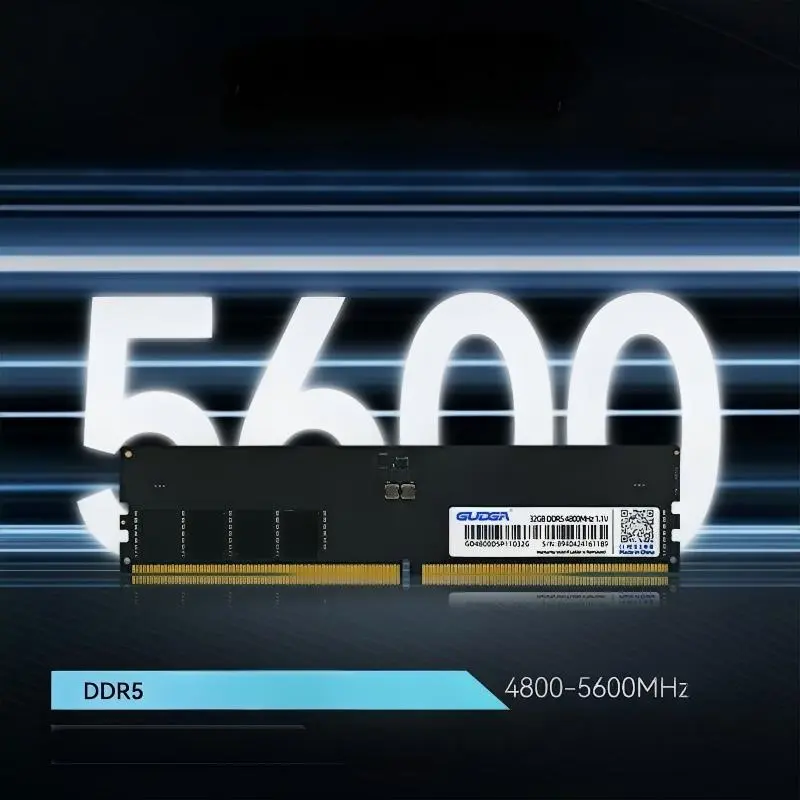
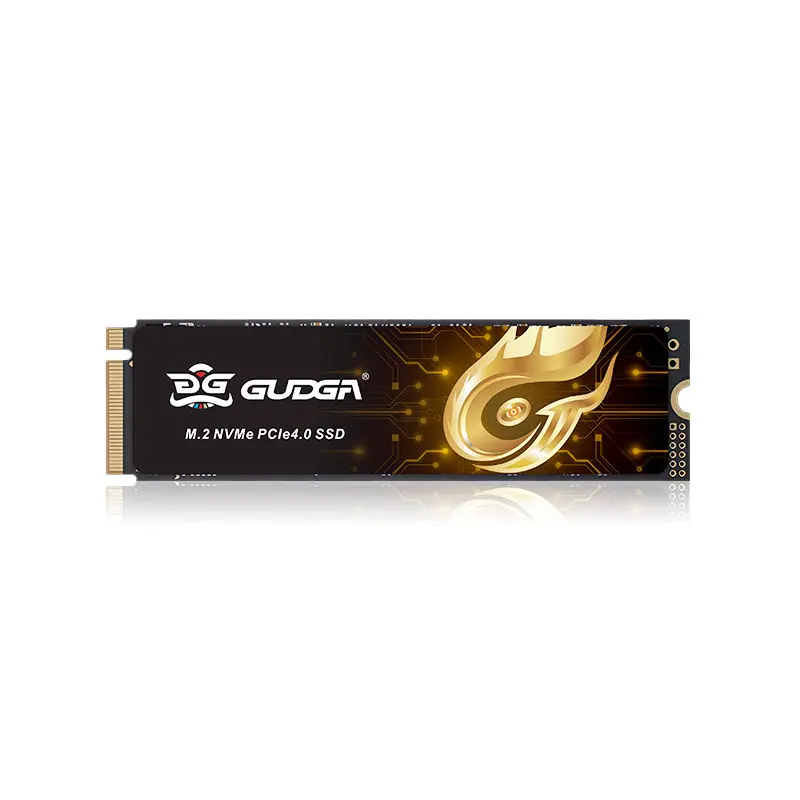
Intensifying competition in the segmented market is another key driver of price convergence. The rapid rise of domestic storage brands has broken the long-term monopoly of overseas manufacturers. Instead of engaging in predatory low-price competition, domestic vendors compete by delivering stable product quality and reasonable pricing. The growing number of market players and severe product homogenization have led to highly unified pricing for mainstream DDR5 RAM and NVMe SSD products across premium and cost-effective brands. To stabilize channel ecosystems and avoid vicious price wars, brand manufacturers have strictly enforced terminal guide pricing, making it impossible to maintain distinct price gradients between wholesale and retail ends.

The narrowing wholesale-retail price gap for RAM and SSD products represents an inevitable trend of standardized and transparent development in the storage industry, marking the end of the era of excessive channel profits. For brand vendors, the traditional competitive advantage of price concessions has weakened significantly. Future industry competition will shift from price-oriented strategies to value-added capabilities, including product quality, after-sales support, customized solutions and stable supply chain services. For distributors and procurement clients, the transparent pricing system eliminates market price chaos and ensures fairer transactions, forcing the industry to move beyond low-price involution toward high-quality and service-driven upgrading. Industry insiders predict that the current pattern of converging wholesale and retail prices will persist in the short term, ushering in a new phase of refined competition for the global storage industry.


Related News
Leave me a message
X
We use cookies to offer you a better browsing experience, analyze site traffic and personalize content. By using this site, you agree to our use of cookies.Privacy Policy