News

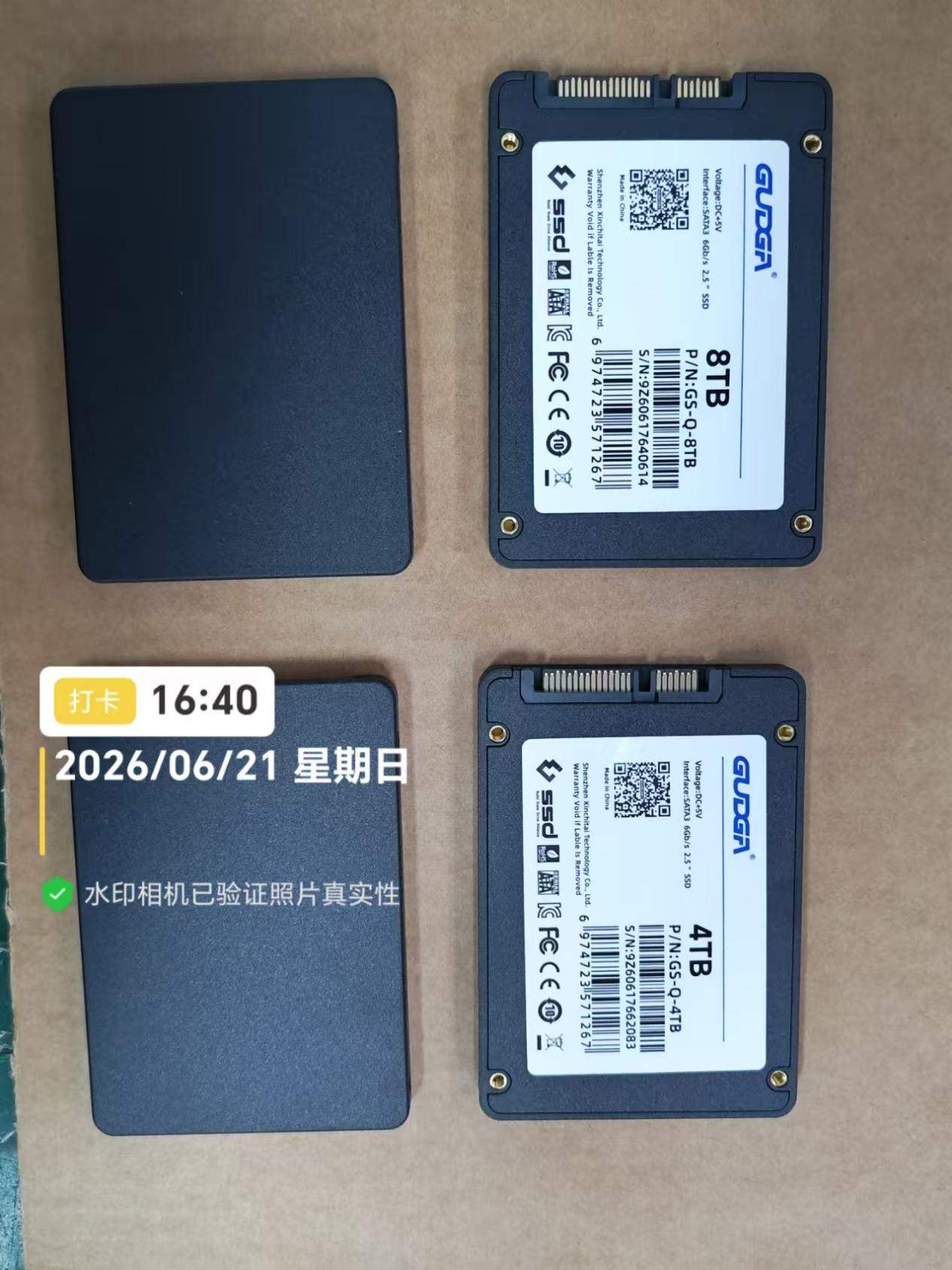
GUDGA Launches Mass Production of 4TB/8TB 2.5-inch SATA SSD in July 2026

2026-07-16 0 Leave me a message

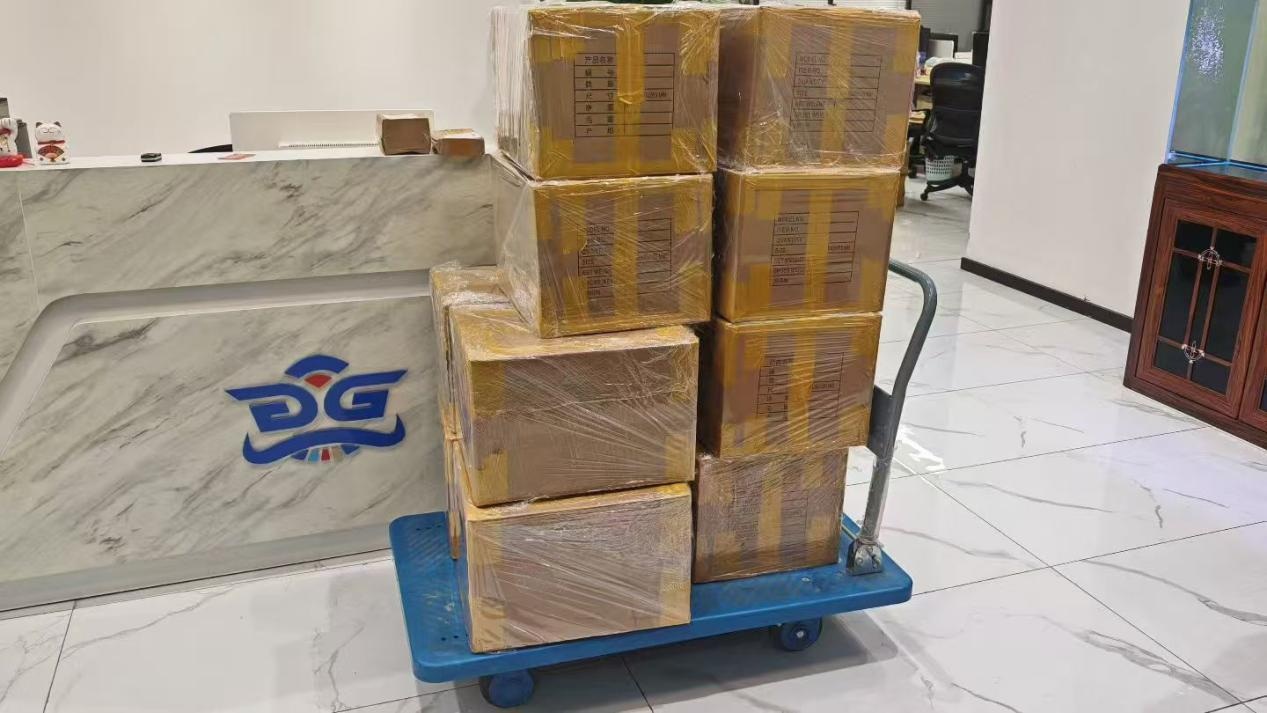
In July 2026, the storage market reached a critical juncture of normalized capacity expansion and iteration, with a batch of standardized 2.5-inch high-capacity SSDs officially commencing mass production. This shipment primarily focused on 4TB and 8TB ultra-large capacity versions, precisely addressing the high-capacity storage gap in scenarios such as consumer upgrades, enterprise backups, industrial terminals, and NAS private clouds. This move further enriched the high-capacity product matrix of SATA architecture SSDs, providing highly reliable and compatible hardware support for upgrading existing devices and implementing lightweight data storage solutions.


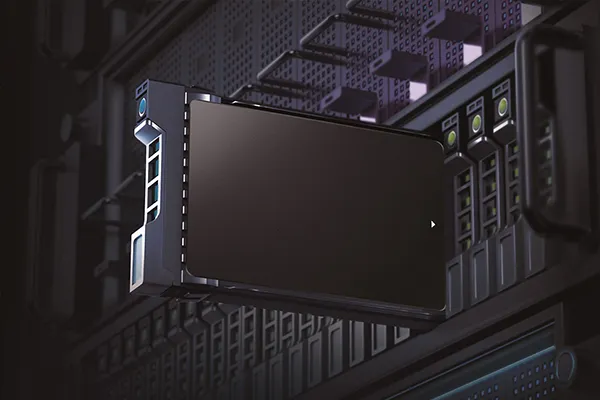
According to supply chain shipment data, the 2.5-inch SSDs shipped this time all adopt the mature and universal SATA 3.0 protocol standard, maintaining the classic industry form factor and possessing the core advantage of universal compatibility. Compared to the new M.2 high-speed SSDs, this series of products requires no modification to the device structure and can be directly adapted to older desktop computers, industrial control hosts, storage servers, monitoring terminals, and NAS network storage devices. The plug-and-play feature significantly reduces the time and hardware modification costs for large-scale capacity expansion in government and enterprise sectors and upgrades for personal devices, making it one of the optimal adaptation solutions for existing hardware iteration.


In terms of product performance and hardware advantages, the 4TB and 8TB high-capacity versions are equipped with high-quality 3D TLC flash memory chips and a mature controller solution, ensuring stable and controllable performance output. Sequential read and write speeds are consistently around 550MB/s and 500MB/s, respectively, which is more than four times the read and write speed of traditional mechanical hard drives. This allows for efficient handling of high-frequency scenarios such as large file transfers, high-definition material reading and writing, and batch data copying. Furthermore, the product abandons the mechanical structure, possessing characteristics of vibration resistance, low power consumption, low noise, and high temperature resistance. Its mean time between failures (MTBF) can reach one million hours, making it suitable for complex industrial environments and 24/7 uninterrupted storage operations in enterprises, balancing performance, stability, and lifespan.


From an application perspective, the high-capacity SSDs shipped this time cover diverse market demands. On the consumer side, they precisely meet the storage needs of creators for high-definition video, original image materials, and large-scale data archives, solving the pain points of frequent expansion of traditional small-capacity SSDs and the sluggish read and write speeds of mechanical hard drives. On the enterprise side, they can be used for lightweight data centers for small and medium-sized enterprises, office data backup, and business data retention, replacing mechanical hard drive arrays with high failure rates and slow speeds. Furthermore, this product can be widely used in professional scenarios such as continuous security recording, medical image storage, and industrial terminal data acquisition, adapting to the routine large-capacity data storage needs of multiple industries.


From an industry market value perspective, the continuous advancement of digital transformation in recent years, along with the popularization of short video creation, IoT data collection, enterprise cloud backup, and private cloud NAS, has driven the market storage demand to shift from "small capacity, high frequency" to "large capacity, routine". Previously, the market for large-capacity storage mainly consisted of high-priced, high-speed NVMe SSDs or low-speed mechanical hard drives, which suffered from insufficient cost-effectiveness and lack of stability. The 2.5-inch 4TB/8TB SATA SSD, with its balanced performance, affordable cost, and excellent compatibility, fills the gap in the mid-range large-capacity storage market, balancing the three core elements of speed, capacity, and cost.


Industry analysts indicate that upgrading existing equipment and lightweight data storage are the core growth areas for the storage industry in the second half of the year. The concentrated shipments of large-capacity 2.5-inch SSDs in July not only alleviated the supply pressure of affordable large-capacity SSDs in the market but also further revitalized the traditional SATA storage ecosystem. In the future, as data storage demand continues to expand, 4TB and above high-capacity standardized SSDs will gradually become the market mainstream. Manufacturers will continue to optimize the production capacity and performance of high-capacity products, continuously adapt to the storage upgrade needs of multiple fields such as consumer, government and enterprise, and industry, and promote the steady development of the storage industry towards high capacity, high stability, and high cost performance.


Related News
Leave me a message
X
We use cookies to offer you a better browsing experience, analyze site traffic and personalize content. By using this site, you agree to our use of cookies.Privacy Policy