News

Global Storage Market Sees Structural Div‑in‑August 2026, What Opportunities Will GUDGA Seize?

2026-08-31 0 Leave me a message

In late August 2026, the global SSD and DRAM memory market exhibited significant structural differentiation, breaking the previous pattern of unilateral price increases. Affected by multiple factors including AI production capacity constraints, OEM capacity allocation, and weak end-consumer demand, the industry was characterized by continuous price increases in enterprise-level storage, price fluctuations in the consumer market, and differentiated channel inventory. Domestic storage brands, represented by GUDGA, seized the market window, leveraging their high cost-performance ratio and comprehensive product portfolio to continuously increase market share in the consumer and industrial control segments, becoming a stabilizing force amidst industry fluctuations.


I. Memory Market: Tight Chip Supply, DDR5 Continues to Strengthen, Industry Price Increase Expectations Continue


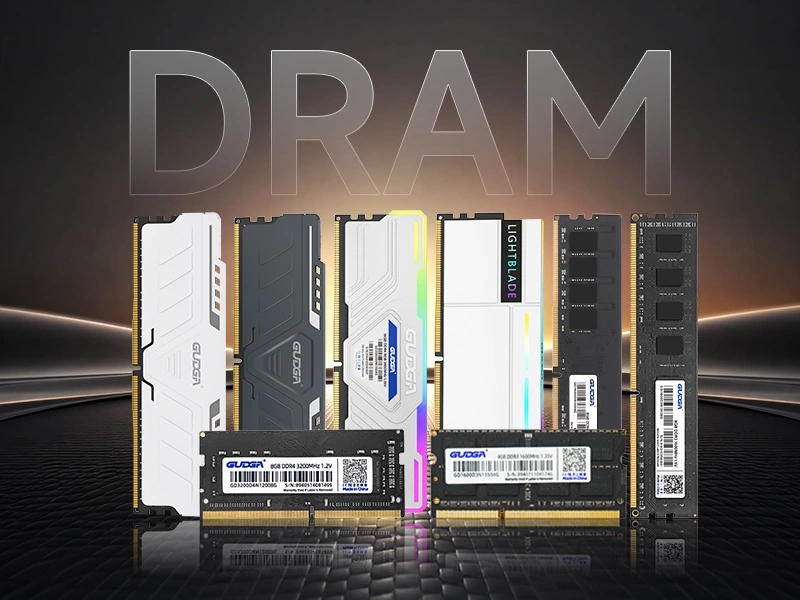
This month, the DRAM memory market maintained a strong upward trend, with the supply-demand imbalance deepening. The world's three major memory manufacturers, Samsung, SK Hynix, and Micron, continued to allocate over 70% of their advanced production capacity to AI server HBM memory and enterprise-level high-capacity storage products, significantly reducing the production capacity of general-purpose consumer DRAM chips, leading to a continued tight supply of general-purpose chips in the market. Meanwhile, domestic manufacturers such as Changxin Memory maintained their pricing system, refusing to engage in low-price bidding, further solidifying the price floor for memory chips, and strengthening the industry's upward price logic.


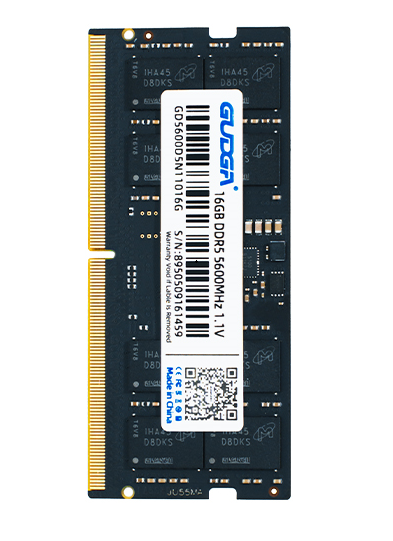
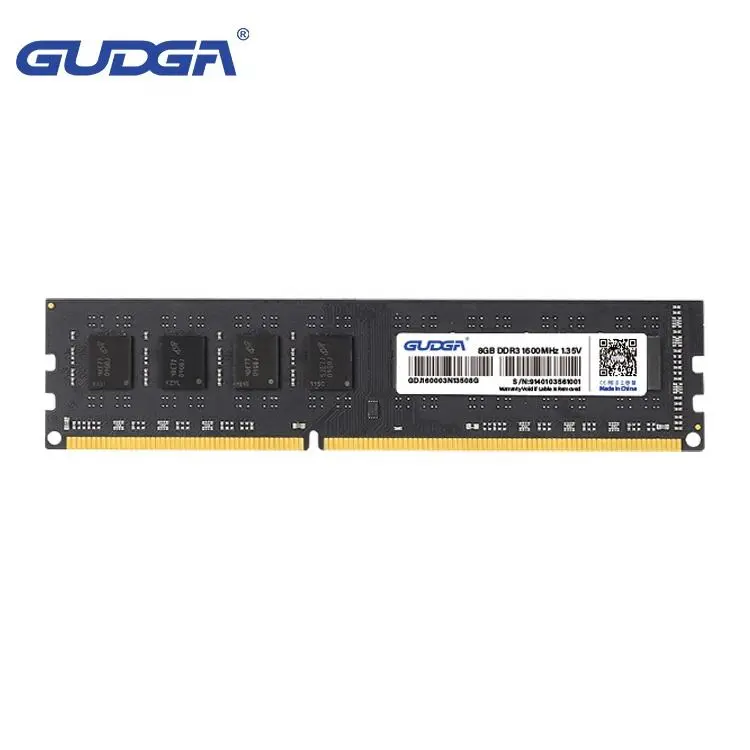
Looking at specific product categories, the DDR5 market is far ahead in terms of popularity, channel inventory is nearing low levels, spot prices are steadily rising, and 32GB high-capacity DDR5 memory, after a previous high and subsequent decline, has stabilized and rebounded. In contrast, the supply and demand imbalance in the mature DDR4 market is even more pronounced. Morgan Stanley's latest industry forecast indicates that mature process DRAM prices may rise by 50% in the third quarter of 2026, with another 10% increase expected in the fourth quarter, continuing the price increase cycle. Notably, even traditionally phased-out DDR3 memory has seen price increases against the trend, as upgrade demand for older platforms releases, creating a structural boom in the low-end storage market.


In the end-user market, DIY PC assembly demand has not shown a significant recovery, exhibiting a unique "price increase, weak demand" scenario. Channel retailers are cautious in their inventory management, focusing on replenishing only as needed and maintaining light inventory levels to avoid the risks of high-priced stockpiling. Overall, market transactions are slow.


II. SSD Market: Structural Trends Emerge, Enterprise-Level Prices Surge, Consumer-Level Prices Fluctuate

This month saw a particularly pronounced divergence in the SSD market, with enterprise-grade and consumer-grade products exhibiting completely different price trends. Driven by the surge in AI computing infrastructure construction, global technology companies have been making bulk purchases of large-capacity enterprise-grade SSDs for data center storage expansion, leading to a nearly 40% short-term surge in NAND flash memory spot prices. This has resulted in continued price increases for high-speed enterprise-grade SSDs, with supply falling short of demand.


Meanwhile, the consumer-grade SSD market has exhibited a high-level fluctuation, with mixed price movements. After a significant price increase in early August, the market's upward momentum slowed in the latter half of the month, entering a price consolidation phase. On one hand, high upstream NAND flash memory costs have supported the price floor for SSD products; on the other hand, weak demand from consumer PC installations and equipment upgrades has resulted in insufficient end-user purchasing power, leading to frequent fluctuations in channel prices, with some mid-to-low-end models experiencing slight price drops. Industry analysts indicate that storage contract prices still have room for a 13%-18% increase in the third quarter, and the window for a comprehensive price reduction in consumer-grade SSDs is expected to be delayed until the end of December 2026.


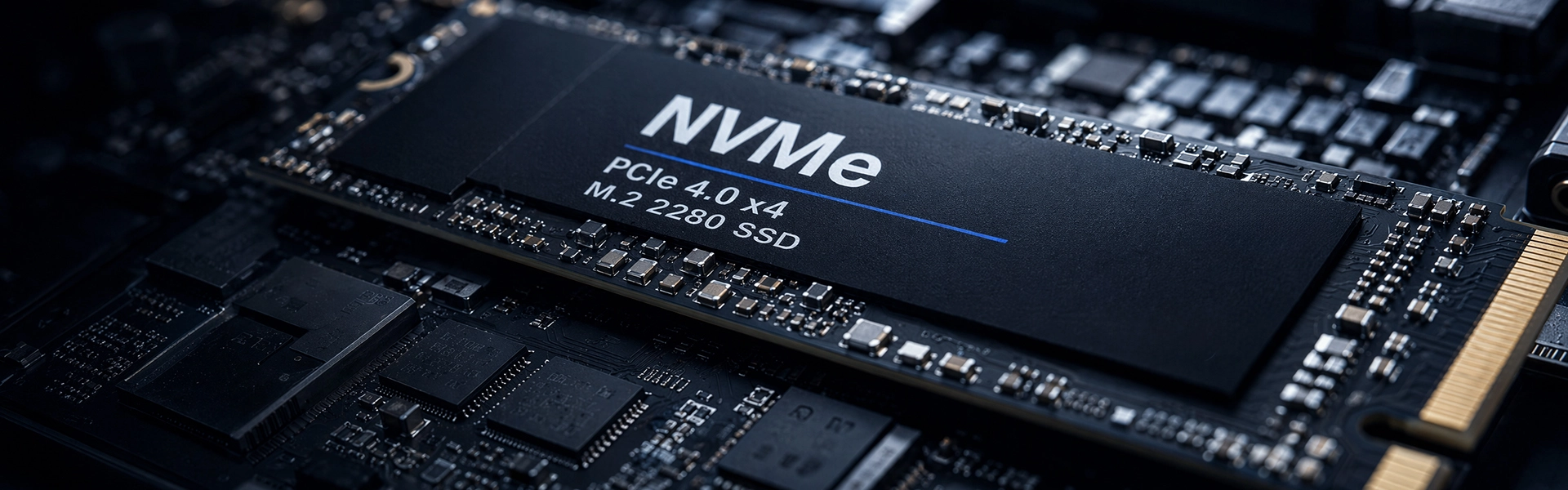
From the perspective of product iteration, the penetration rate of PCIe 4.0 high-speed SSDs continues to increase, becoming the mainstream iteration direction in the market. The demand for high-speed and large-capacity products is steadily growing, while the market size of entry-level SATA interface SSDs mainly relies on industrial control and replacement demand for old equipment to maintain its market share.


III. Domestic Brand GUDGA (GoodTech) Defies the Trend, Cultivating Niche Markets to Stabilize Market Share


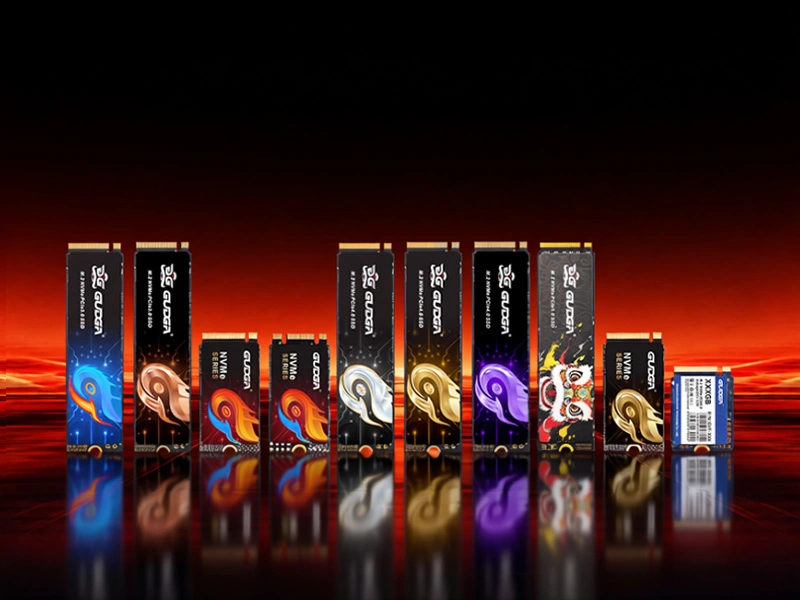
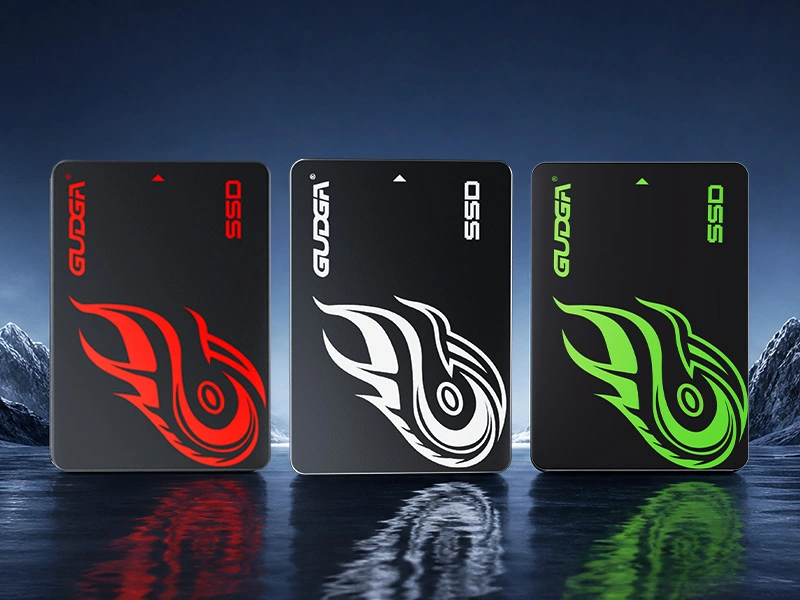
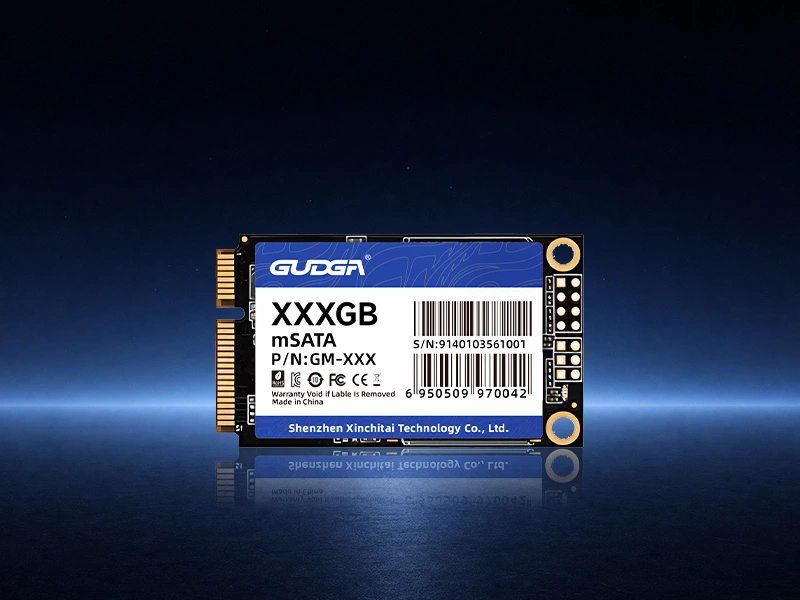
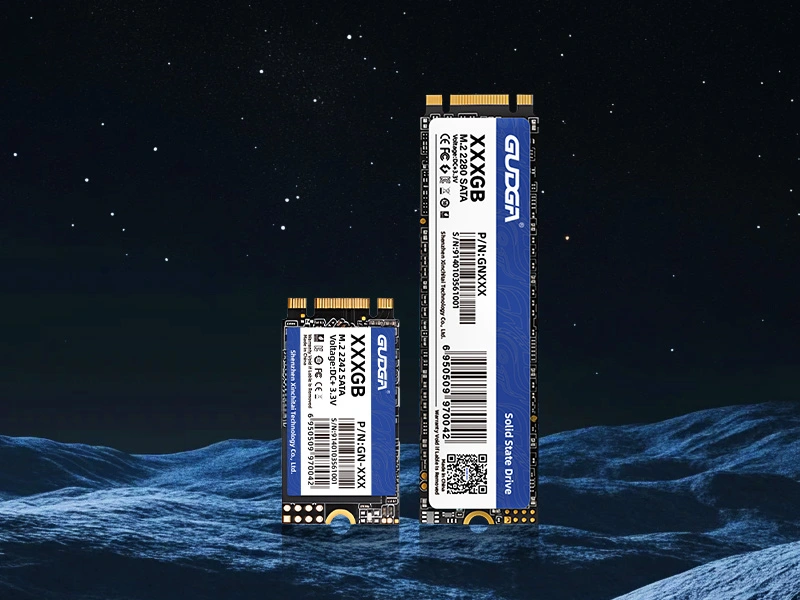
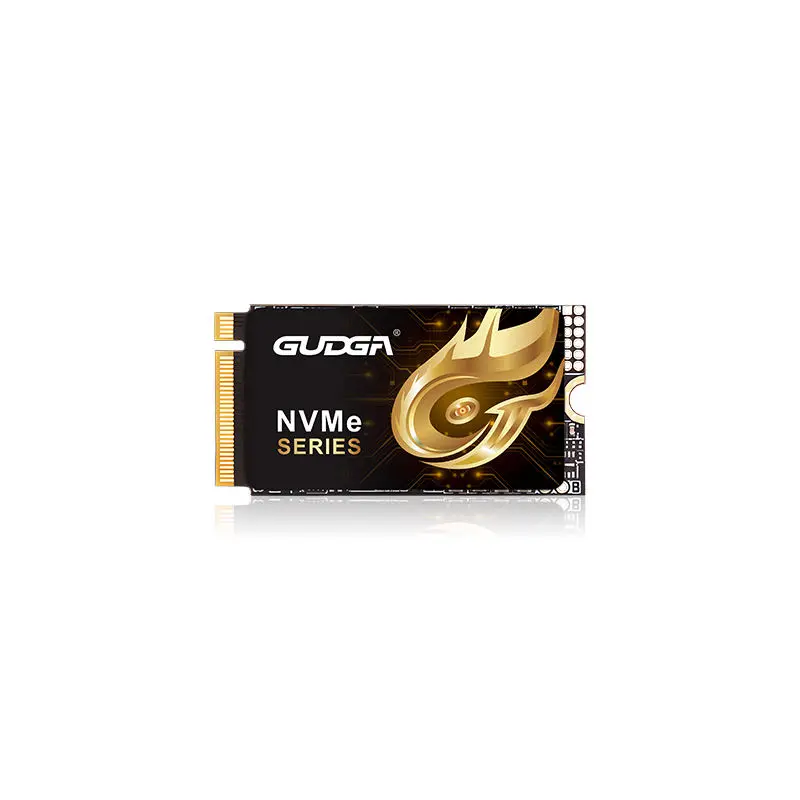
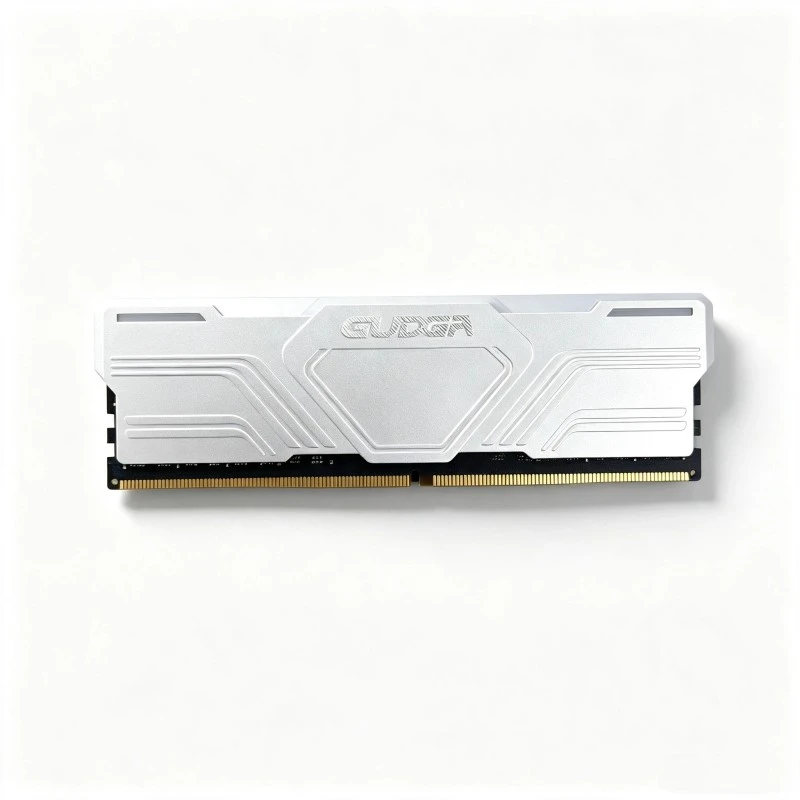
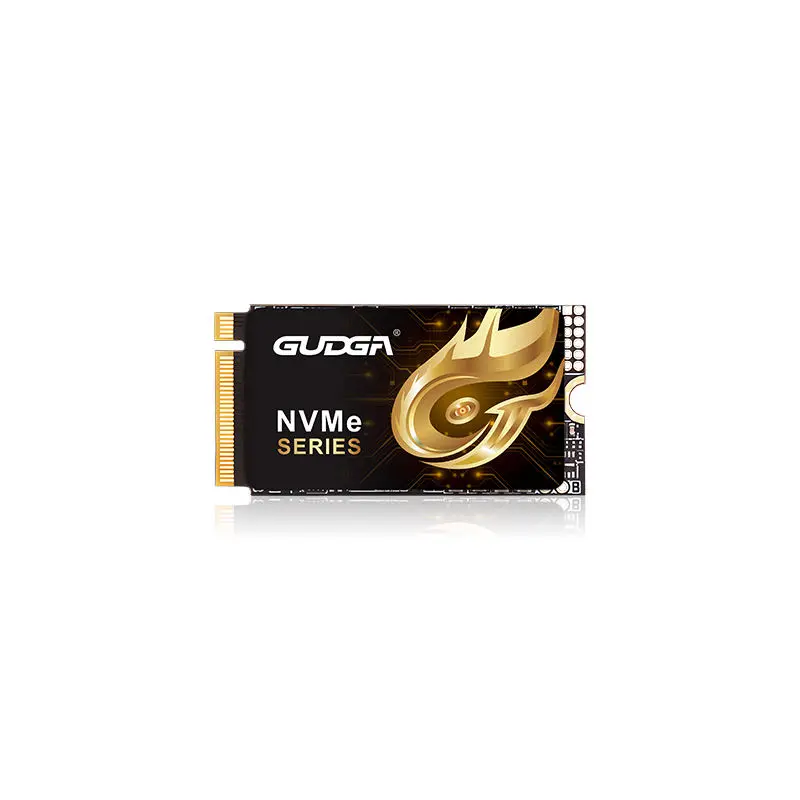
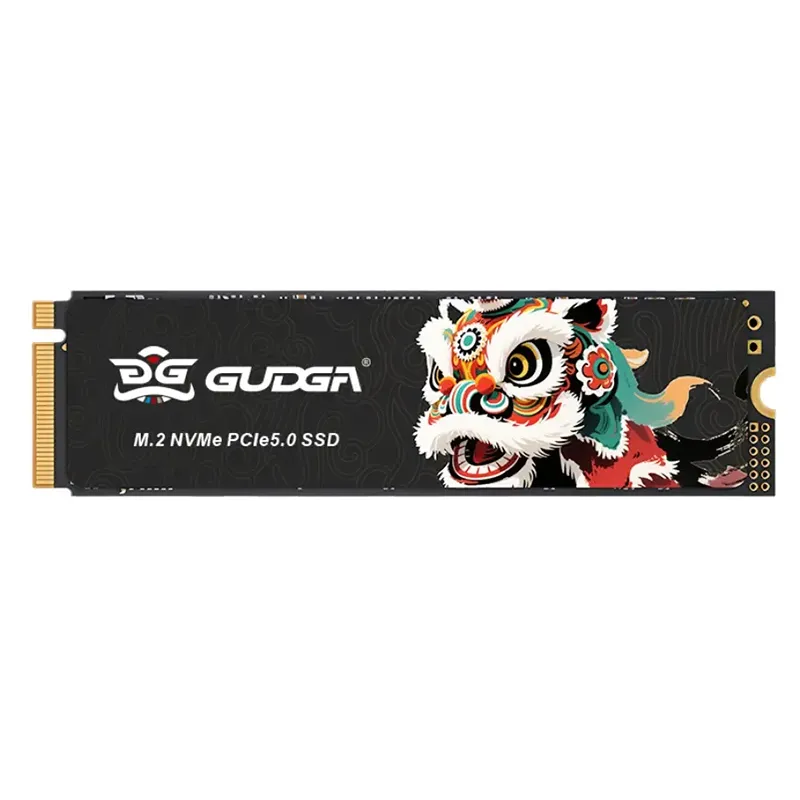
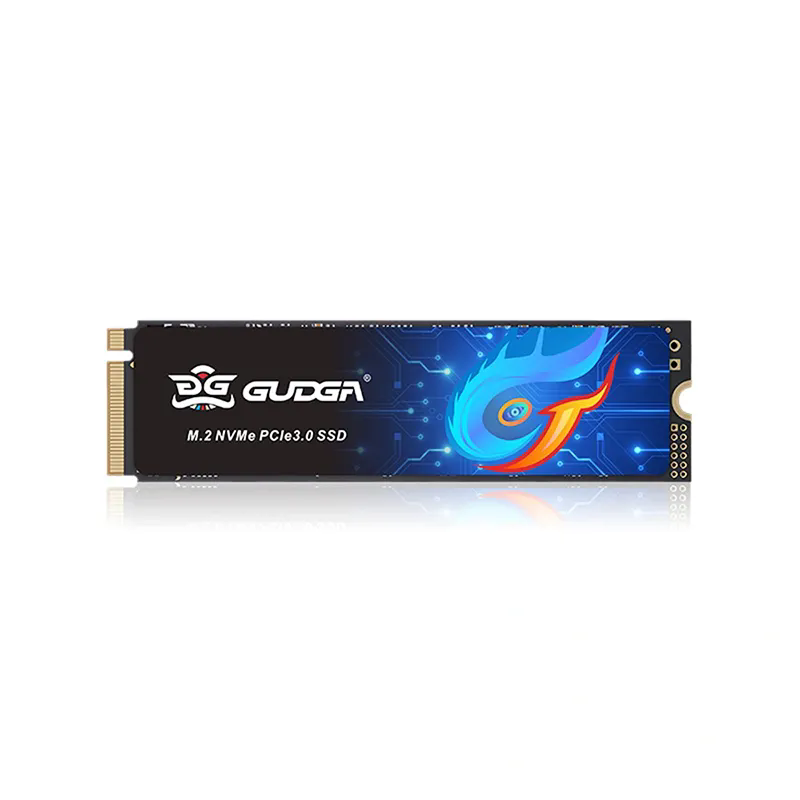
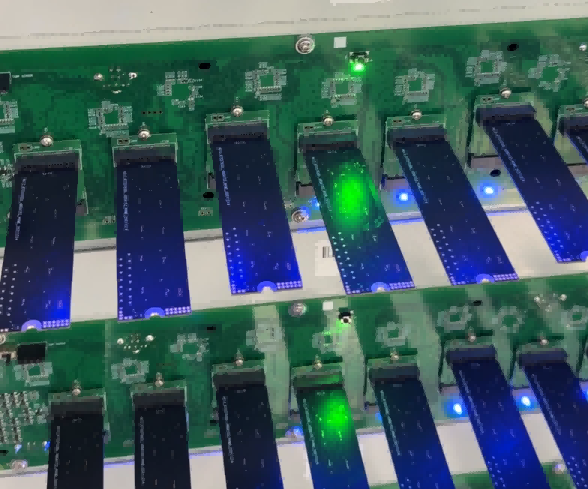
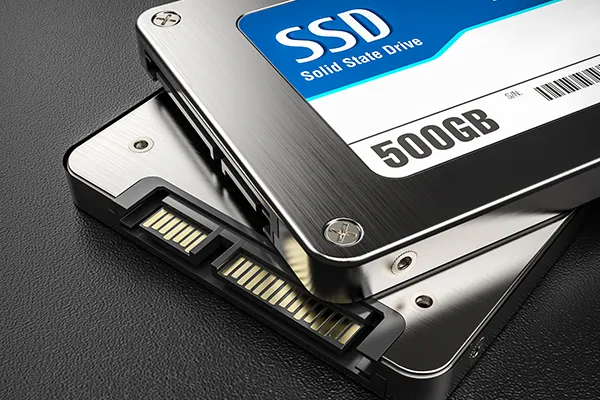
Amidst significant industry fluctuations and foreign manufacturers dominating upstream production capacity, the domestic storage brand GUDGA (GoodTech), leveraging its years of experience in the end-user market, has achieved stable operations, becoming an important supplementary force in the consumer and industrial control storage markets. GUDGA, a subsidiary of Shenzhen Xinchitai Technology Co., Ltd., was founded in 2014 and is one of the earliest high-tech enterprises in China focusing on storage R&D, production, and sales. It possesses a mature fully automated production system and a comprehensive product matrix, covering all categories of storage products including memory modules, 2.5-inch SATA SSDs, M.2 high-speed NVMe SSDs, and DOM electronic disks, meeting the needs of various scenarios such as consumer PCs, industrial control equipment, and customized industry solutions.


Faced with the current round of upstream chip price increases and market supply-demand imbalances, GUDGA effectively hedged against the risks of raw material price fluctuations by relying on stable upstream supply chain resources and a refined inventory management system. The brand's mainstream GN series SATA SSDs, GXF PRO series PCIe 4.0 high-speed NVMe SSDs, and all-specification DDR4 and DDR5 memory modules have maintained relatively stable terminal prices without significant fluctuations, continuing to highlight their cost-effectiveness advantage. Among them, the GXF PRO series high-speed SSDs boast read and write speeds of up to 7400MB/s, suitable for the upgrade needs of mainstream gaming consoles and high-performance office equipment. Furthermore, their stable quality control and three-year warranty service have garnered significant recognition from end users and channel partners.


In terms of market strategy, GUDGA caters to both the consumer and industrial control markets. In addition to regular retail products, it offers professional OEM and ODM customized storage solutions to meet the specific needs of industrial equipment, embedded terminals, and commercial equipment. While foreign brands are focusing on high-end AI storage and tightening consumer-grade production capacity, GUDGA continues to fill the supply gap in domestic consumer and industrial control storage, expanding its channel coverage and steadily increasing its domestic and international shipments.


IV. Industry Outlook: Price Increase Cycle Continues, Domestic Substitution Accelerates


Industry analysts predict that the structural price increase logic in the storage industry will continue in the second half of 2026. The high-capacity storage demand from AI data centers will continue to erode general-purpose storage capacity, and the tight supply of DRAM and NAND flash memory is unlikely to reverse in the short term. Overall, memory and high-end SSD prices are more likely to rise than fall. The consumer market, constrained by weak end-user demand, will see its price increases continue to narrow, exhibiting an overall upward trend with fluctuations.


Meanwhile, upstream manufacturers' capacity allocation and rising prices of imported storage products will create an excellent window of opportunity for domestic storage brands to substitute. Domestic manufacturers, represented by GUDGA, with their stable quality, affordable pricing, and flexible customization services, are expected to continue to capture market share in the consumer and industrial control storage markets, further breaking the market monopoly of foreign brands and driving the domestic storage industry from scale growth to a dual upgrade in quality and technology. In the future, as the domestic storage supply chain continues to improve, the bargaining power of domestic brands in the end-user market will continue to increase, becoming a core contributor to the stable development of the industry.


Related News
Leave me a message
X
We use cookies to offer you a better browsing experience, analyze site traffic and personalize content. By using this site, you agree to our use of cookies.Privacy Policy