News

2026 Storage Trend: 2242 PCIe Gen4 SSD Drives New Upgrade Wave for Compact Devices

2026-08-31 0 Leave me a message

Driven by the widespread miniaturization of consumer electronics and industrial hardware, high-performance compact storage has become a critical standard configuration for ultra-thin laptops, mini PCs, smart portable devices and embedded systems in 2026. Citing latest updates from authoritative storage media StorageNewsletter and global component research data, the M.2 2242 NVMe SSD niche segment has achieved robust annual growth, emerging as one of the most valuable incremental tracks in the global storage industry.


The compact device market has long suffered from structural performance limitations. Mainstream PCIe Gen4 NVMe SSDs primarily adopt the 2280 form factor, while traditional 2242 storage products are limited to low-speed SATA or PCIe Gen3 protocols. This persistent industry gap severely restricts the performance of space-constrained hardware. Most mini PCs, ultra-thin notebooks and industrial embedded devices cannot accommodate standard 2280 SSDs, leaving users with only two compromised options: outdated low-speed storage or overpriced OEM customized upgrade solutions.

Booming edge computing, mobile office and intelligent industrial equipment have fueled explosive global demand for small-form-factor high-speed storage. While major storage manufacturers have begun targeting the 2242 Gen4 market to fill industry gaps, genuine high-quality, cost-effective native 2242 PCIe Gen4 SSDs remain scarce. Most premium models carry excessive market premiums, creating tremendous growth opportunities for professional niche storage brands focused on compact high-performance solutions.

Industry consensus confirms that hardware miniaturization should never sacrifice overall system performance. For years, 2242-spec devices have been constrained by legacy low-speed storage, unable to fully release the potential of modern processors and hardware platforms. With comprehensive hardware upgrades for compact and embedded devices in 2026, the industry has raised higher requirements for storage speed, operational stability, power efficiency and long-term durability. There is a strong market demand for native 2242 SSDs featuring full PCIe Gen4 performance and industrial-grade reliability to eliminate the long-standing performance bottleneck of compact storage hardware.

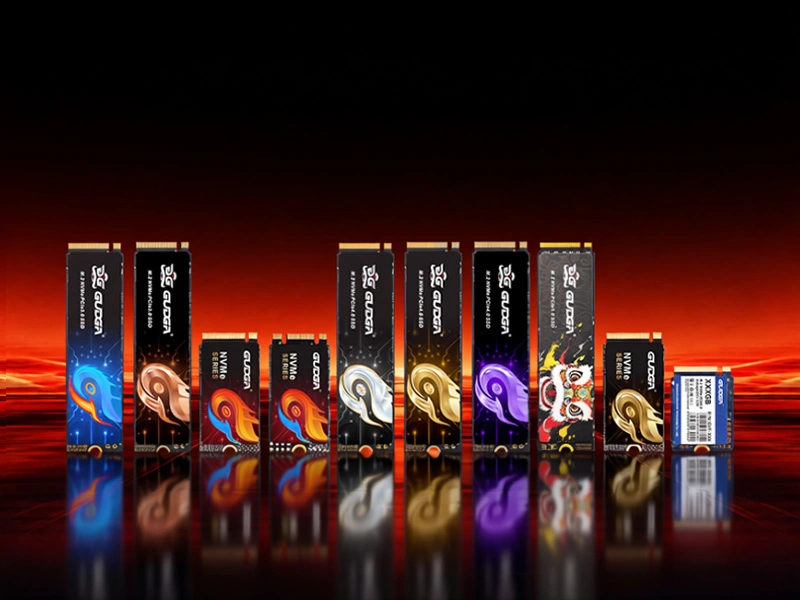
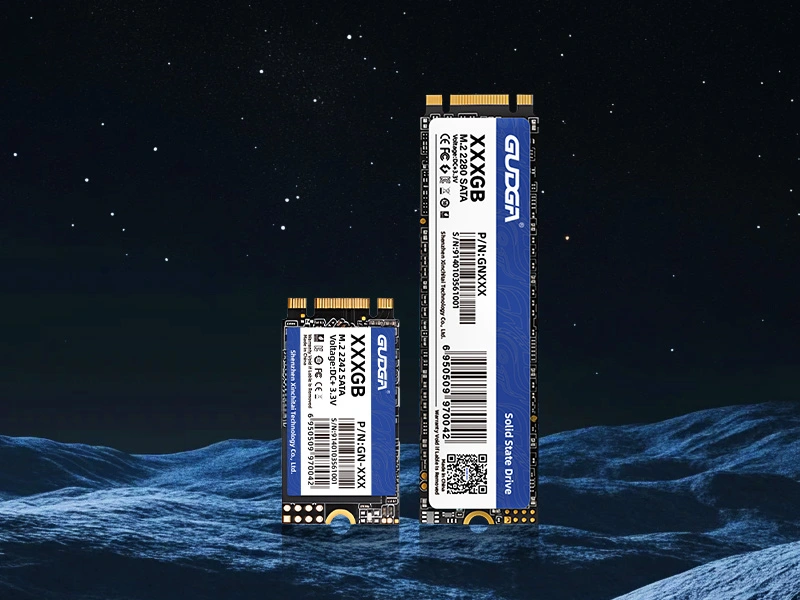
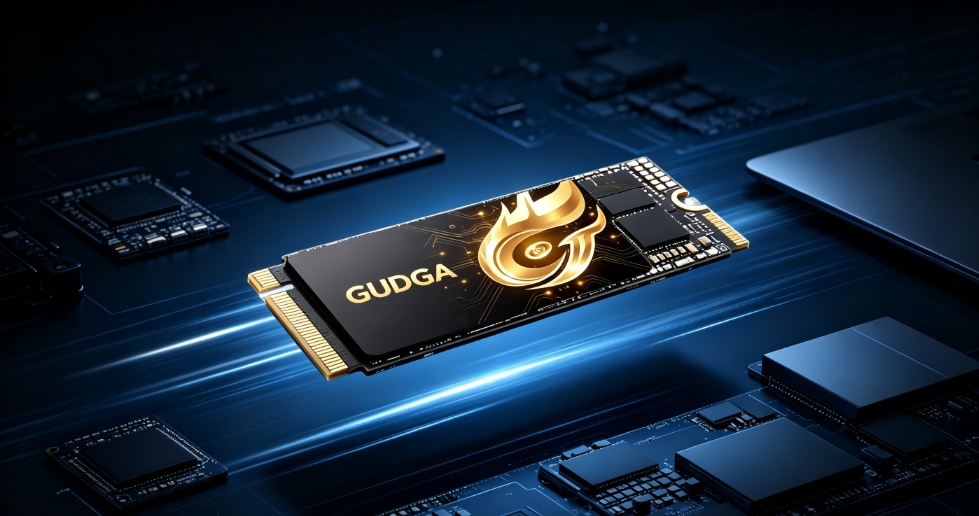
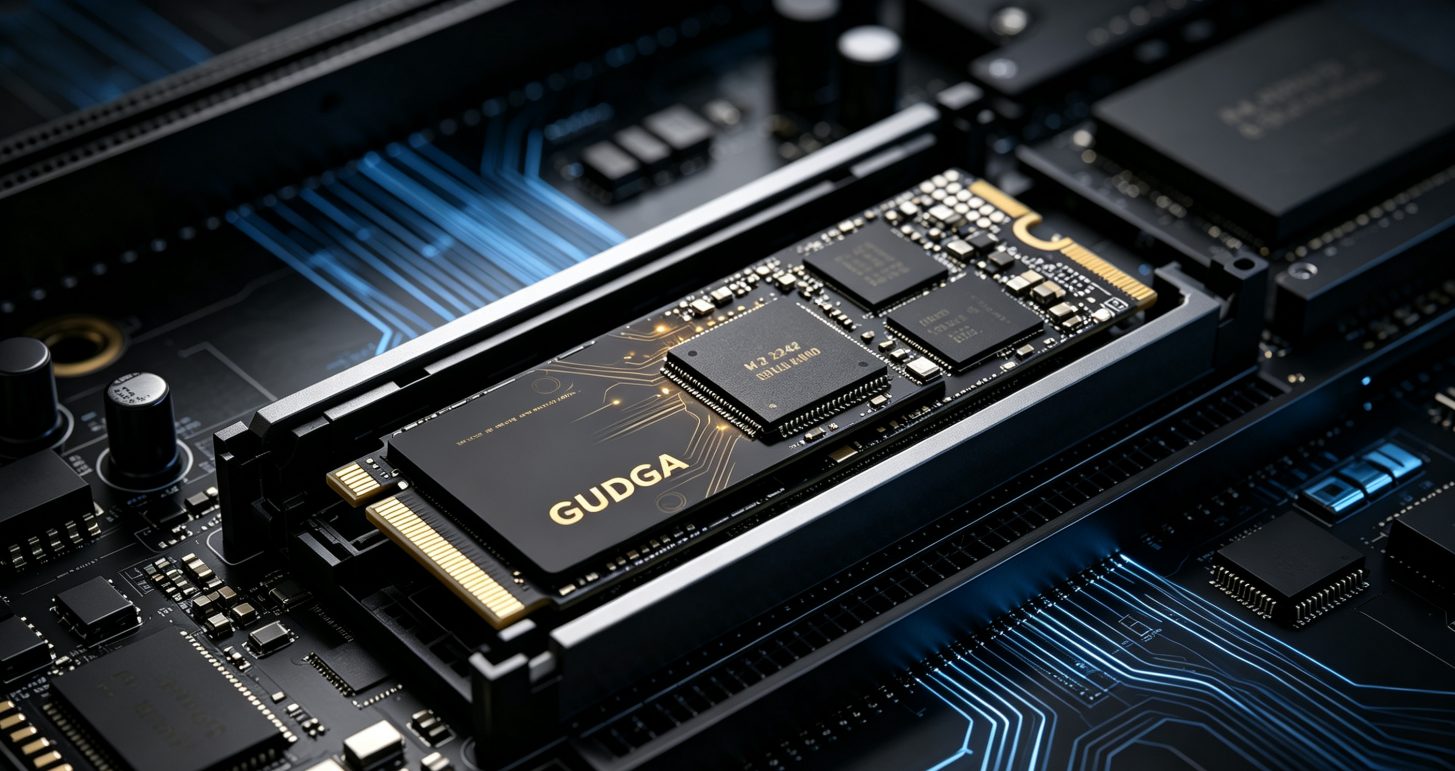
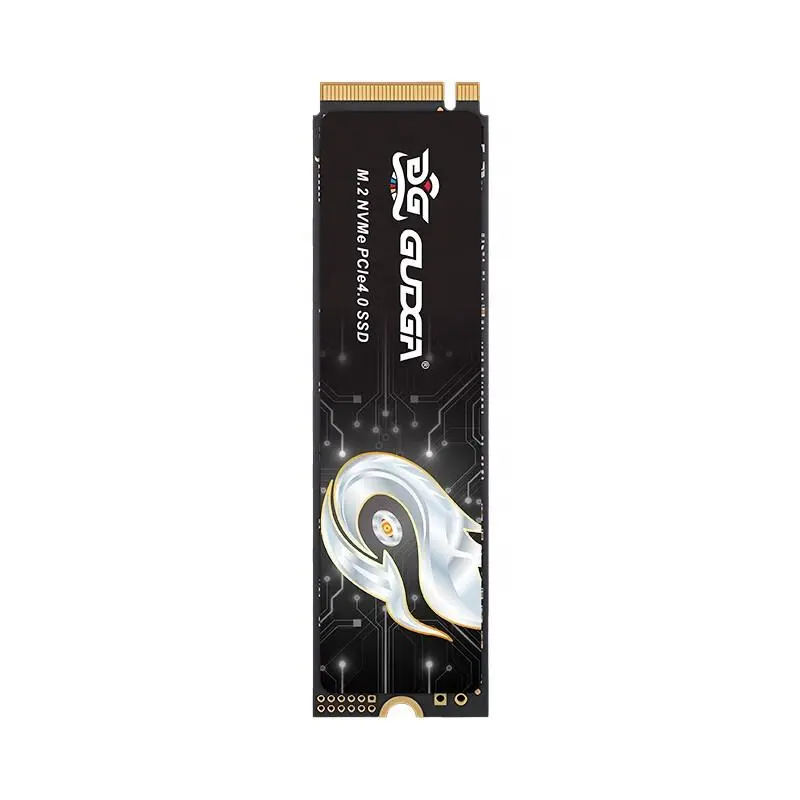
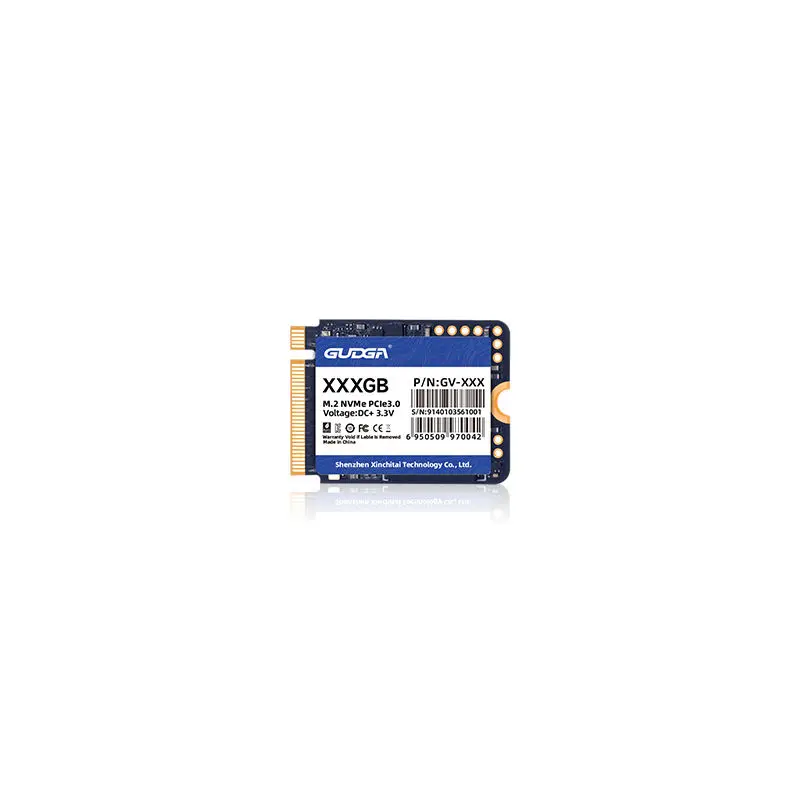
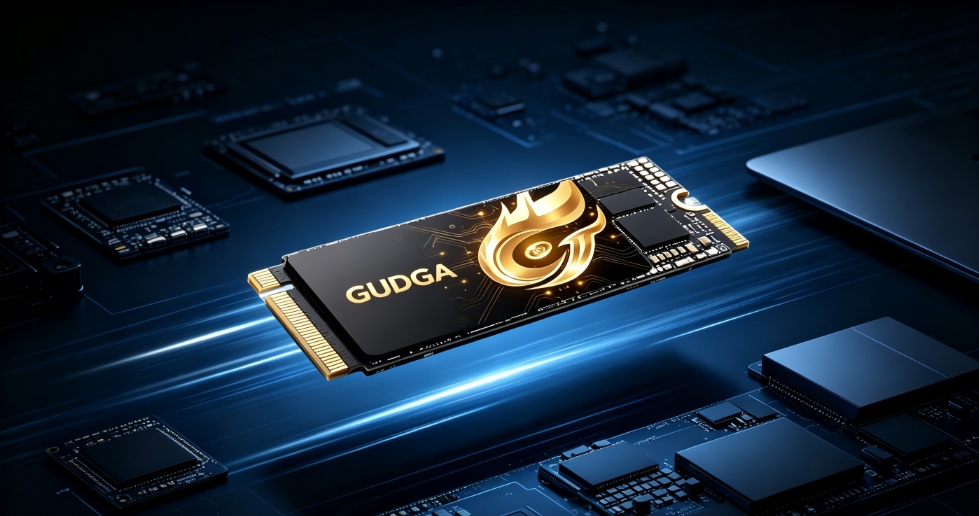
In response to mainstream industry trends, GUDGA empowers compact storage ecosystem upgrades with its flagship 2242 Length PCIe Gen4 SSD, offering up to 5000MB/s sequential read speed. Unlike unreliable modified 2280-cut alternatives available on the market, GUDGA adopts a pure native 22×42mm industrial-grade design, ensuring precise fit for standard 2242 slots with zero structural modification or performance loss. Equipped with full-bandwidth PCIe Gen4 x4 NVMe architecture, the SSD delivers double the throughput of conventional PCIe Gen3 SSDs and 12 times faster speed than traditional SATA drives, completely breaking the performance ceiling of miniature storage devices.

To adapt to the narrow internal space and strict thermal limits of compact devices, GUDGA conducts exclusive firmware tuning and power optimization for 2242-form-factor hardware. The optimized low-latency algorithm balances extreme speed, heat dissipation and energy efficiency, effectively resolving common pain points including performance throttling, stuttering and crashes during long-duration high-load operation. Meanwhile, full backward compatibility with PCIe Gen3 interfaces enables cross-generation device adaptation, maximizing long-term upgrade value and cost performance for end users.

Industry analysts point out two core drivers fueling the 2242 high-speed SSD market growth in 2026. On the consumer side, newly launched ultra-thin notebooks and mini PCs universally integrate native 2242 high-speed slots, generating massive stock device upgrade demand. On the industrial side, large-scale deployment of edge computing and embedded intelligent equipment requires compact, shock-resistant, wide-temperature storage supporting stable 24/7 continuous operation, further raising industrial standards for miniature solid-state drives.

Global NAND supply fluctuations and AI-driven component demand continue to cause tight SSD supply and unstable lead times in 2026. Under such market conditions, rigorous quality control and stable mass production capacity have become core industrial competitiveness. GUDGA implements full-process quality inspection for all 2242 Gen4 SSDs, including 72-hour continuous aging tests, high-low temperature cycle verification and anti-vibration durability tests. All products hold CE and FCC certifications, fully meeting global consumer and industrial application standards.

Industry outlook shows that although PCIe Gen5 technology is gradually iterating, it faces severe thermal management challenges in ultra-compact 2242 hardware layouts. In the next two to three years, PCIe Gen4 will remain the most mature, stable and cost-effective solution for small-form-factor storage. The 2242 high-speed SSD segment will maintain steady growth and serve as a key incremental market for the global storage industry.

Long-term industry trends indicate that device miniaturization, high integration and edge intelligence are irreversible development directions, making 2242 high-speed NVMe SSDs a standardized upgrade solution for mini PCs, ultra-thin laptops and industrial embedded devices. Focusing on the compact high-speed storage niche, GUDGA continuously optimizes firmware algorithms and industrial adaptation technologies to solve universal industry pain points such as heat dissipation limitations, compatibility obstacles and long operational instability. The brand delivers high-stability, high-cost-performance storage solutions for global consumer and industrial terminals, promoting standardized performance upgrades across the niche storage sector.


Related News
Leave me a message
X
We use cookies to offer you a better browsing experience, analyze site traffic and personalize content. By using this site, you agree to our use of cookies.Privacy Policy