Shenzhen Xinchitai Technology Co., Ltd.
News

Behind Reliability: A Day Inside Modern SSD Factory’s Rigorous Daily Testing Operations

2026-07-10 0 Leave me a message

Global Tech Manufacturing Hub, July 7, 2026 — As solid-state drives (SSDs) become the foundational storage backbone for consumer electronics, enterprise data centers, artificial intelligence computing clusters, and industrial embedded systems, product reliability and consistent performance have evolved from a competitive advantage to an industrial necessity. Unlike traditional mechanical hard drives, SSDs rely on sophisticated NAND flash particles, dedicated controller chips, and intelligent firmware algorithms, where tiny manufacturing defects or unstable particle states can trigger data errors, performance degradation, or even device failure after mass deployment. Behind every high-quality SSD available on the market lies a comprehensive, round-the-clock daily testing system in manufacturing factories, which serves as the core line of defense for product qualification and long-term operational stability.


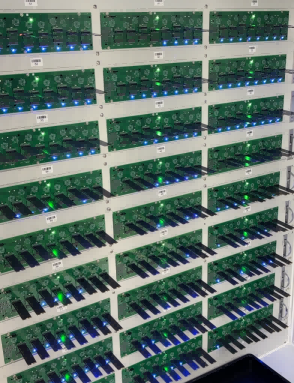
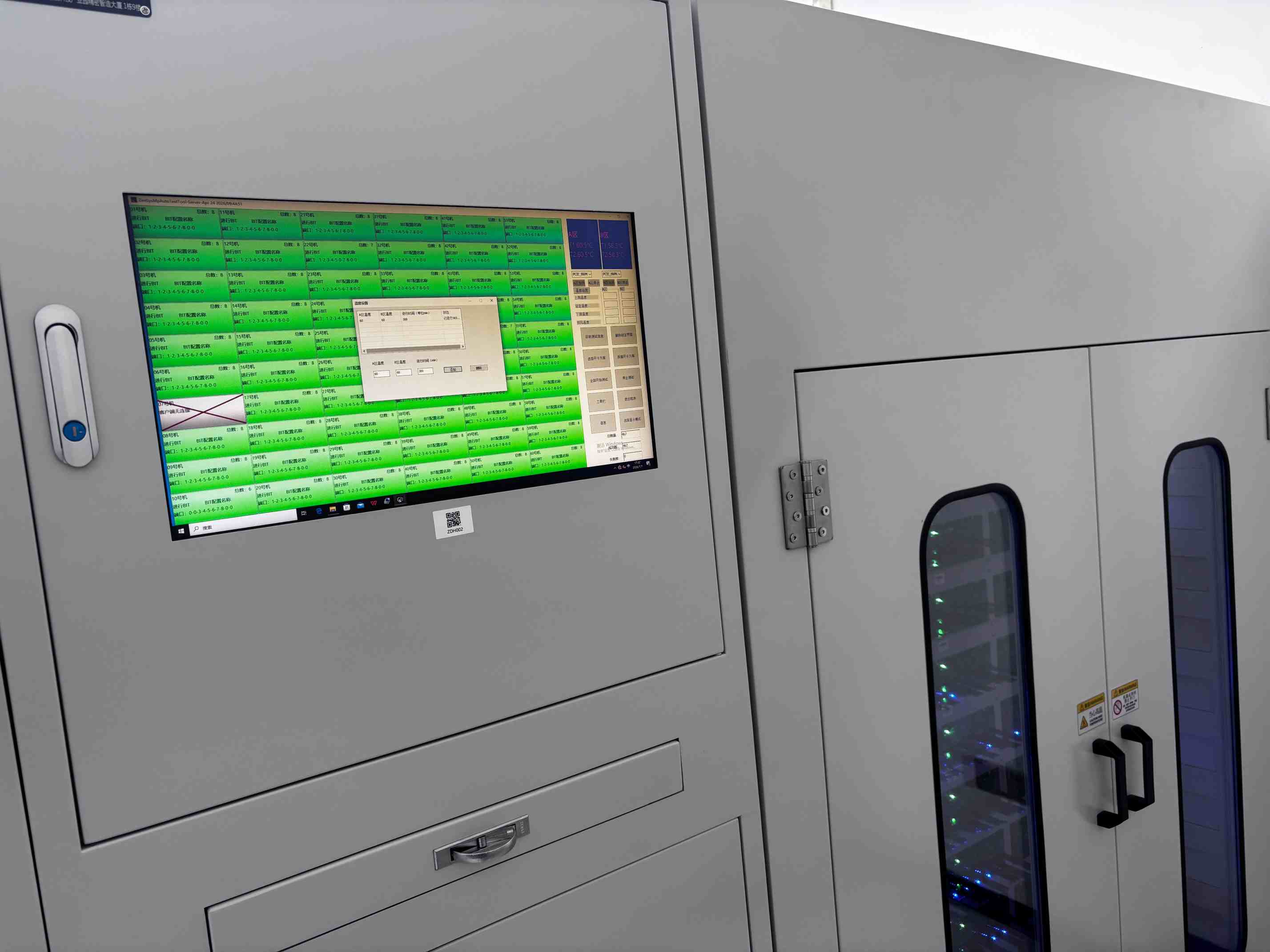
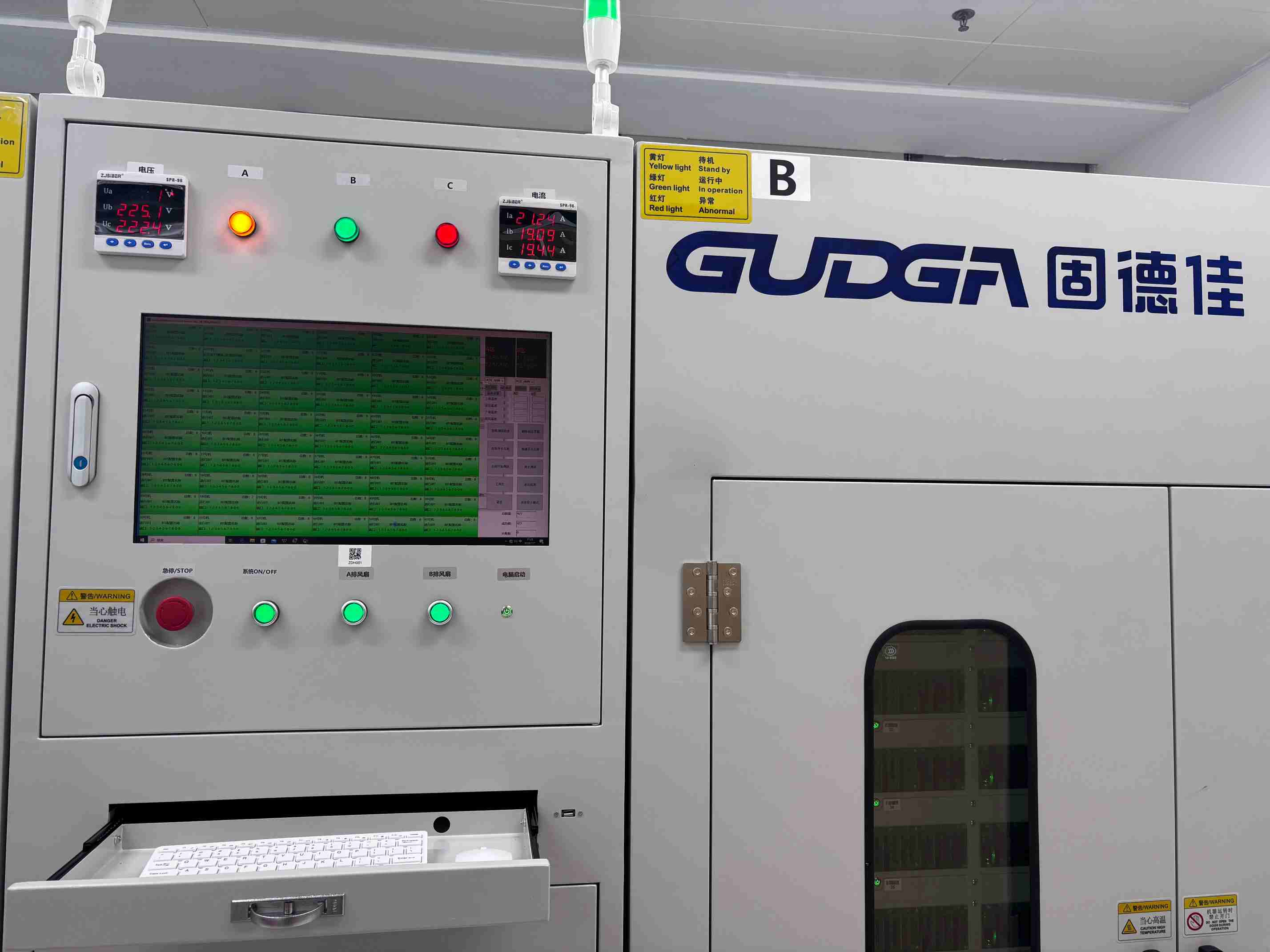
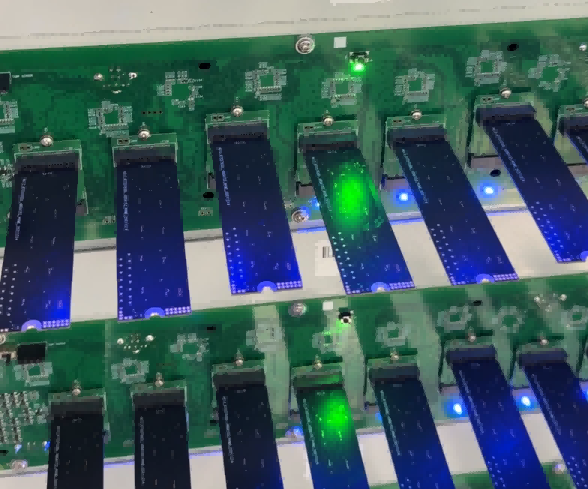
In modern automated SSD manufacturing facilities, daily testing is not a simple sampling inspection process, but a full-link, standardized, and intelligent verification workflow covering wafer screening, initial factory detection, performance calibration, stress aging, and final quality confirmation. Every SSD unit rolling off the production line must complete hundreds of professional test items before packaging and delivery, eliminating early-life failure risks and ensuring consistent performance across diverse operating environments. On a typical production day, the factory’s testing workshop operates at full capacity, with automated test equipment, industrial computers, and professional test engineers collaborating seamlessly to implement strict quality control standards for all storage products.

The first phase of daily SSD factory testing is preliminary functional detection and bad block scanning, the most fundamental quality screening step immediately after SSD assembly. After NAND flash particles are bonded with controller chips and circuit board assembly is completed, all unfinished products are delivered to automated test stations for initial hardware verification. The system first identifies and verifies core hardware components, including model matching of SSD main controllers, normal configuration of NAND flash and auxiliary DRAM cache, and unobstructed connection of PCIe and SATA transmission buses. This step effectively eliminates defective products caused by faulty welding, component mismatches, or circuit conduction failures in the assembly process.


Subsequently, the factory launches a comprehensive NAND flash bad block scan and Resistive Device Test (RDT), a core daily testing procedure designed to screen out unstable flash particles and potential early failure units. NAND flash particles inevitably generate inherent defective blocks during wafer production, and microscopic process flaws may lead to unstable transistor operation. The RDT scanning program conducts full-traversal detection of all storage particles, recording initial bad block distribution and marking unqualified particles that cannot work stably. Test data shows that this high-intensity initial screening can accurately eliminate nearly all units with early failure risks, avoiding product failure shortly after customer use. All test results form detailed electronic inspection reports, realizing traceable quality management for each SSD unit.


Following hardware screening, the factory proceeds to SSD preconditioning and steady-state performance testing, a key procedure to restore real-world operating characteristics of storage devices. Modern high-capacity SSDs rely on garbage collection, wear leveling, and other firmware mechanisms to maintain performance stability, and newly manufactured drives are in an uninitialized state with inconsistent operating logic compared to long-term used products. Daily preconditioning testing simulates real user workloads through cyclic data writing, reading, and erasing operations, forcing the SSD to activate internal garbage collection and data rearrangement mechanisms until it reaches a stable operating state.

With the widespread adoption of ultra-high-capacity SSDs ranging from 8TB to 128TB, traditional preconditioning methods that once required dozens of hours have been optimized through advanced testing algorithms. Factories now adopt efficient open-source testing tools to shorten the preconditioning cycle by up to 90%, while maintaining full test accuracy. This daily steady-state test fully verifies core performance indicators including sequential read/write speed, random 4K read/write IOPS, and transmission latency, ensuring that each SSD’s performance parameters strictly comply with official design standards and industry specifications.


The most stringent part of daily factory testing is long-term burn-in aging and environmental stress testing, which simulates extreme and complex operating scenarios that products may encounter throughout their service life. Different from conventional sampling tests, daily batch aging testing targets all manufactured SSDs, conducting continuous high-load operation for 8 to 24 hours. During the burn-in process, the system runs mixed read-write encryption and erasure tasks to fully test the stability of controller firmware, particle wear resistance, and data storage reliability under long-term high-load operation.


Meanwhile, the environmental test chamber conducts daily batch simulation of extreme working conditions to verify product environmental adaptability. Test scenarios cover low-temperature operation at -40°C for industrial cold environments, high-temperature endurance at 85°C for high-load data center scenarios, as well as high humidity, salt spray, and slight vibration working conditions. These tests effectively verify whether SSDs can maintain stable data storage and normal operation in harsh industrial, outdoor, and server scenarios, eliminating product quality differences caused by environmental changes. For industrial-grade and enterprise-grade SSDs used in aerospace, automotive, and financial server fields, the factory adds stricter instantaneous power failure tests and anti-interference detection to ensure data security under abnormal power supply conditions.


Firmware function verification is another indispensable core module of daily SSD testing. As the core brain controlling SSD operation, firmware’s operational stability directly determines product service life and user experience. Daily tests cover firmware startup speed, fault self-recovery capability, thermal throttling response mechanism, and wear leveling algorithm stability. Test engineers simulate extreme scenarios such as sudden power outages, frequent hot plugging, and long-term idle-high load switching to verify whether the firmware can accurately identify risks, protect data, and adjust operating status intelligently. This series of tests ensures that SSDs can maintain predictable and stable operating performance under non-ideal working conditions, rather than merely pursuing extreme instantaneous speed.


In addition to fixed standardized test items, the factory’s daily testing work also includes batch sampling spot checks and data dynamic analysis. The quality control team randomly selects products from each production batch for deep-level performance testing and durability verification, comparing real test data with standard values to monitor batch production stability. Once subtle parameter deviations or abnormal fluctuations are detected, the testing system will immediately issue an early warning, lock the corresponding batch of products, and cooperate with the production department to troubleshoot production process problems, realizing zero tolerance for potential quality risks.


All daily test data is uniformly uploaded to the factory’s intelligent quality management platform to form a full-life-cycle quality file for each SSD. The platform records detailed information including test time, test items, performance parameters, bad block data, and aging results, enabling full traceability from production, testing, delivery to after-sales use. This digital testing management mode not only improves the efficiency and accuracy of daily testing but also provides powerful data support for subsequent product iteration and process optimization.

Industry professionals point out that the standardized daily testing system of SSD factories is the core guarantee for the rapid development of the global storage industry. With the explosive growth of AI computing, big data centers, and intelligent terminal markets, the market demand for high-reliability, high-consistency SSD products continues to rise. Consumer-grade SSDs require stable daily use performance and long-term anti-aging capability, while enterprise and industrial-grade products put forward higher requirements for data security, environmental adaptability, and continuous operating stability. The rigorous daily testing links in factories precisely make up for the uncertainty of mass production, ensuring that each product can maintain stable performance throughout the service life and avoid data loss or equipment downtime losses caused by individual defective products.


Facing the iterative upgrading of storage technologies such as 3D NAND high-layer stacking and PCIe 5.0 high-speed transmission, SSD factory daily testing standards are also continuously upgraded. Testing equipment is evolving toward higher speed, higher precision, and intelligent automation, and test items are constantly optimized for new technologies and new scenarios. While ensuring product quality stability, major storage manufacturers continue to improve testing efficiency, balance production capacity output and quality control, and promote the standardized and high-quality development of the global solid-state storage industry.


As the final checkpoint for SSD product quality, daily factory testing is not only a set of standardized production processes but also the core credibility support for storage brands. Every stable and reliable SSD product delivered to the market is inseparable from the rigorous screening, repeated verification, and strict control of daily testing links. In the future, with the further integration of artificial intelligence and automated testing technologies, SSD factory daily testing will achieve more efficient and accurate quality identification, continuously escorting the stable operation of global digital infrastructure.

Related News
Leave me a message
X
We use cookies to offer you a better browsing experience, analyze site traffic and personalize content. By using this site, you agree to our use of cookies.Privacy Policy
RejectAccept