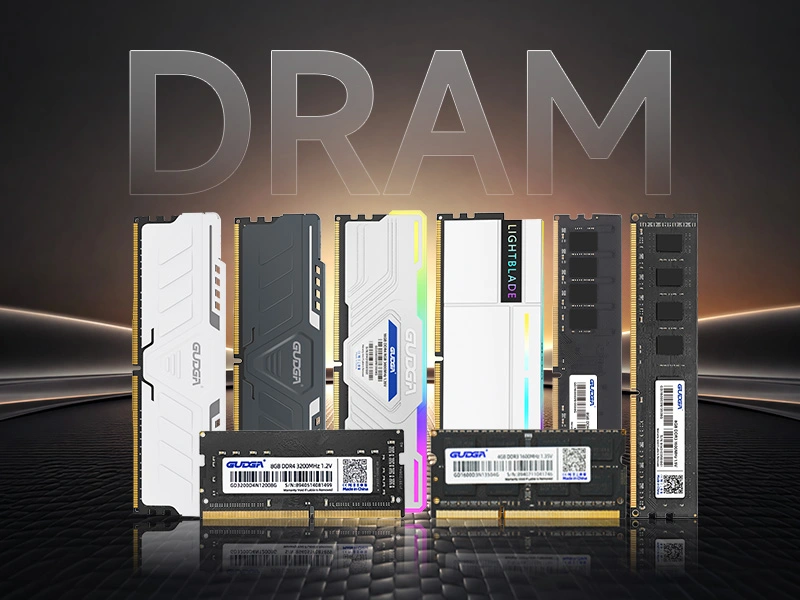
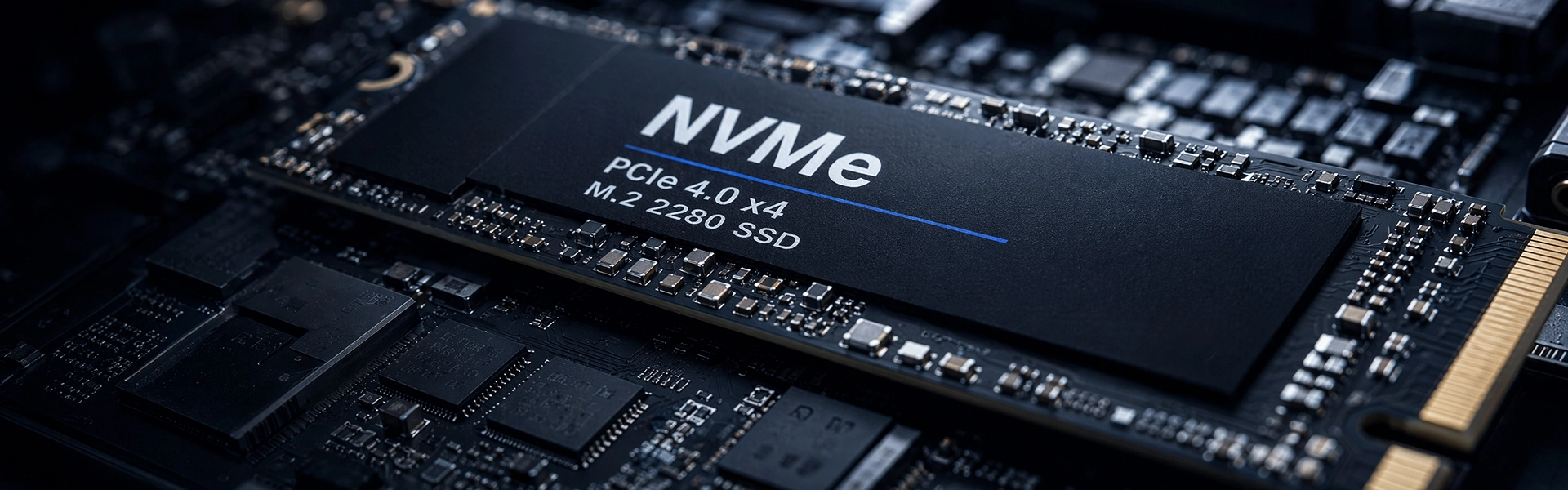
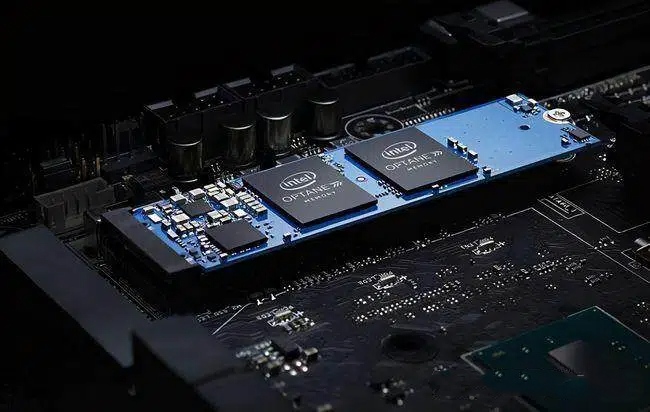
The storage market has witnessed a notable emerging trend recently. Distributors and procurement clients widely report that the factory wholesale prices of mainstream RAM and SSD products have become nearly equivalent to local terminal retail prices, resulting in a sharp compression of traditional channel profit margins. The long-standing profit model relying on the price gap between wholesale and retail has almost vanished. Rather than being an isolated case of individual brands, this phenomenon stems from the industrial changes in production capacity, supply-demand relations and channel mechanisms in 2026, and is fundamentally reshaping the profit and transaction landscape of the memory and solid-state drive segment.
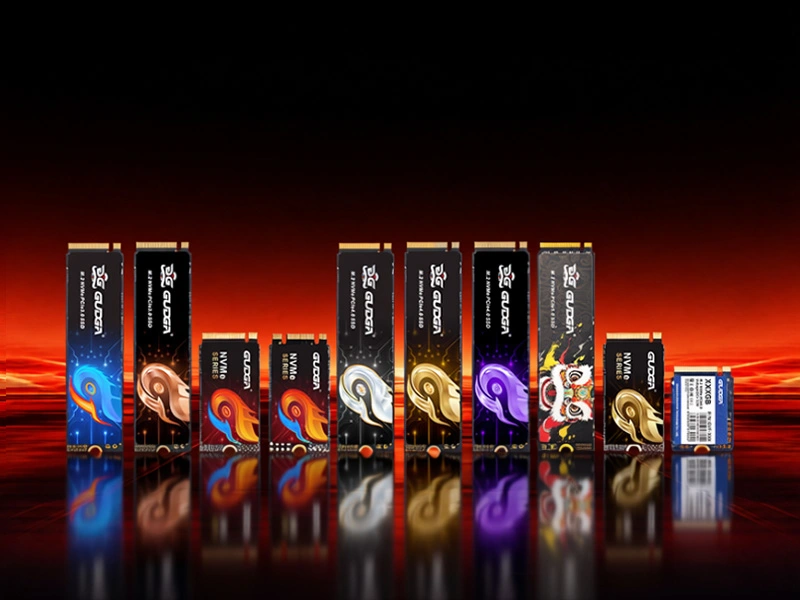
Driven by the widespread miniaturization of consumer electronics and industrial hardware, high-performance compact storage has become a critical standard configuration for ultra-thin laptops, mini PCs, smart portable devices and embedded systems in 2026. Citing latest updates from authoritative storage media StorageNewsletter and global component research data, the M.2 2242 NVMe SSD niche segment has achieved robust annual growth, emerging as one of the most valuable incremental tracks in the global storage industry.
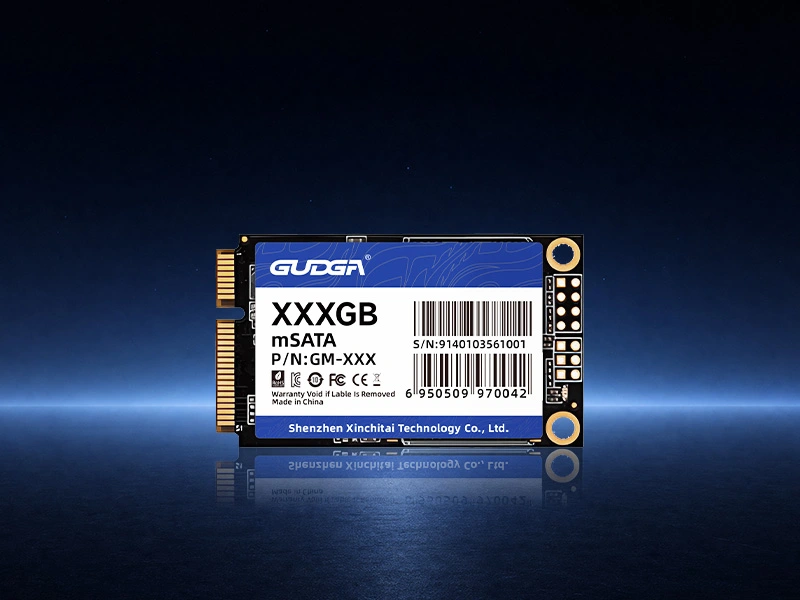
Storage requirements have changed significantly as computers, embedded systems, industrial controllers, portable devices, and compact computing platforms become smaller while handling increasingly demanding workloads. Traditional hard disk drives can create limitations because of their moving components, while larger SSD formats may not fit systems where internal space is restricted. An mSATA SSD provides a practical solution by combining solid-state storage, a compact form factor, and SATA-based compatibility.
Morgan Stanley's latest research report warns that memory price increases remain aggressive. In Q3 2026, prices for mature-process DRAM such as DDR4 are expected to rise by as much as 50%, with a further 10% increase expected in Q4.
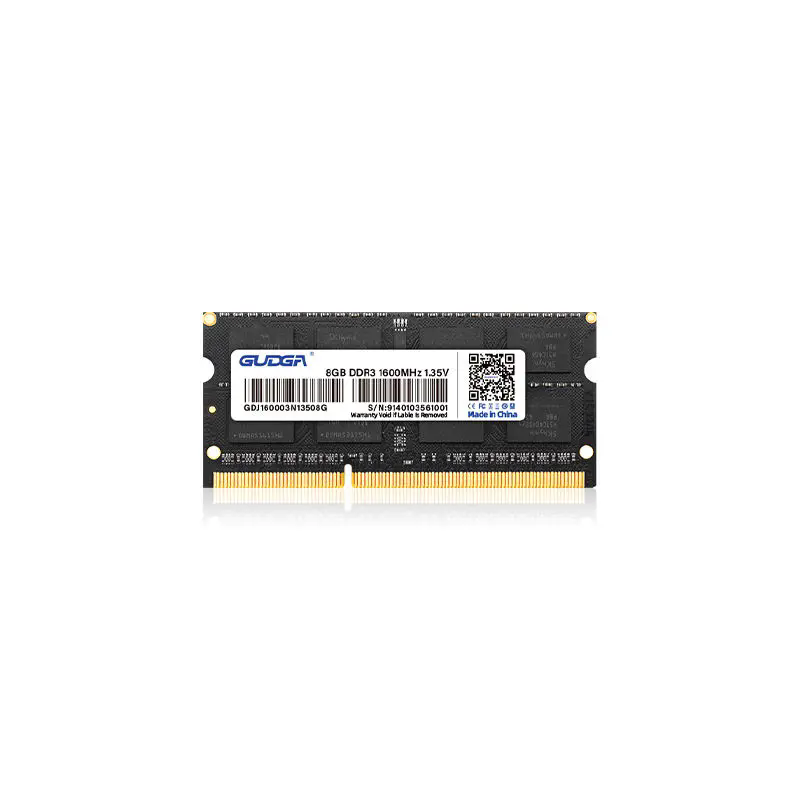
DDR3 Laptop RAM remains a practical memory upgrade option for many older laptops that require improved responsiveness, better multitasking ability, and more stable system performance. Although newer memory technologies have become popular, DDR3 memory modules continue to support millions of laptops used for office work, education, industrial applications, and daily computing. This article explains how DDR3 Laptop RAM works, why it is still valuable, how to choose the right module, and how GUDGA provides reliable memory solutions for users who need cost-effective upgrades.
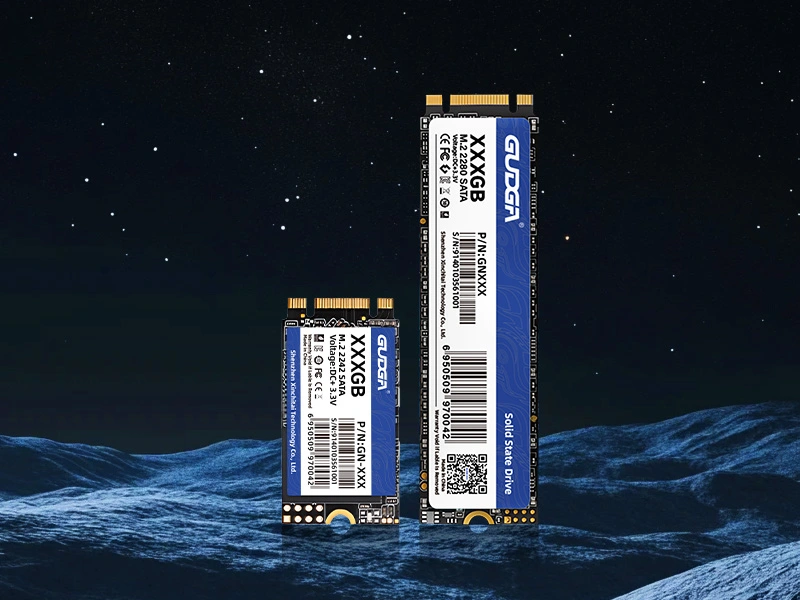
As computers become thinner, faster, and more demanding, traditional storage solutions often struggle to provide the speed, stability, and efficiency users need. M.2 SATA SSD technology offers a compact and reliable upgrade option for laptops, desktops, industrial computers, and embedded systems. This article explains how M.2 SATA SSD works, why businesses and individual users choose it, how to select the right model, and how GUDGA provides dependable storage solutions for different applications.
We use cookies to offer you a better browsing experience, analyze site traffic and personalize content. By using this site, you agree to our use of cookies. Privacy Policy