If you are sourcing memory modules for distribution, OEM projects, or system integration in late 2026, you have likely encountered a market that looks nothing like previous cycles. The global memory industry has moved past the phase of broad price increases. What we face now is a structural divergence: high-value-added products—HBM, server RDIMMs, and enterprise-grade SSDs—remain in acute shortage, while demand for standard consumer-grade memory used in PCs and mobile devices has visibly weakened.
For B2B buyers, this creates both risk and opportunity. The risk is obvious: chasing spot-market consumer memory at inflated prices without a stable supply contract can erode margins fast. The opportunity lies in partnering with a manufacturer that understands the bifurcation and can allocate reliable capacity to the right product categories—specifically, DDR5 UDIMM and SODIMM modules built for commercial, industrial, and edge-AI deployments.
According to TrendForce monitoring, contract prices for general-purpose DRAM are projected to rise 10%–15% quarter-over-quarter in Q4 2026, with enterprise-grade storage seeing even sharper increases. NAND flash contract prices are expected to climb 15%–20%, yet consumer-grade SSD price growth is constrained to under 5%, and spot prices for certain mainstream-capacity products have already leveled off. The divergence is not a temporary blip—it is the direct result of capacity reallocation by Samsung, SK Hynix, and Micron toward HBM and server DDR5.
The numbers tell the story: HBM consumes roughly three times the wafer capacity per bit compared to standard DRAM. By late 2026, HBM wafer starts account for approximately 22% of total DRAM wafer starts, yet HBM bit supply represents only about 9% of total DRAM bit supply. This means the general-purpose DRAM available for PC, industrial, and commercial modules is structurally tighter than headline demand figures would suggest. Cloud service providers have locked in multi-year long-term agreements, extending lead times for server RDIMMs and high-capacity enterprise SSDs. Meanwhile, brand clients for PCs and smartphones are exercising strict cost control, and channel appetite for inventory accumulation has cooled.
What this means for your sourcing strategy: Waiting for a broad price correction in consumer DDR5 is not a viable plan. The tightness in upstream DRAM capacity will not resolve quickly. Buyers who secure allocation now—especially for DDR5 5600MHz and higher-speed modules—will be better positioned when enterprise and industrial demand continues to absorb available supply through 2027.
The core driving force behind current market dynamics is AI infrastructure development. Training and inference of large-scale models, along with deployment of intelligent agent applications, are steadily raising demands for bandwidth and capacity. AI servers require significantly higher storage capacity per unit than traditional servers, and this requirement is cascading down to edge devices, industrial PCs, and commercial workstations.
Domestic Chinese memory manufacturers are accelerating breakthroughs during this cycle. In wafer manufacturing, companies like CXMT and YMTC are advancing process technologies, with product portfolios now spanning server, automotive, and industrial applications. Among module manufacturers, firms such as Longsys, BIWIN, and Netac reported significant third-quarter earnings growth driven by surging orders for enterprise-grade, automotive-grade, and edge-AI storage solutions. The competitive edge of domestic memory products is shifting from cost advantages toward superior technical solutions—controller chip design, firmware development, and comprehensive storage system integration.
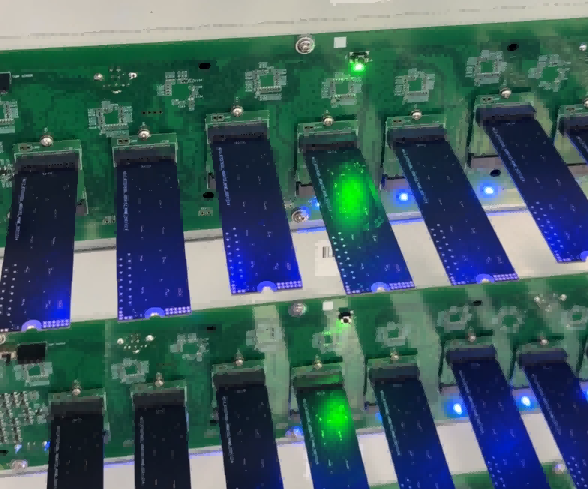
For international buyers, this evolution means that Chinese memory module manufacturers are no longer just assembly houses. They are increasingly capable of supporting customized firmware, industrial-temperature validation, and long-term supply commitments. If your brand requires DDR5 modules with consistent JEDEC compliance and stable BOM, working directly with a factory that controls its own SMT lines and testing processes is a meaningful risk-reduction step.
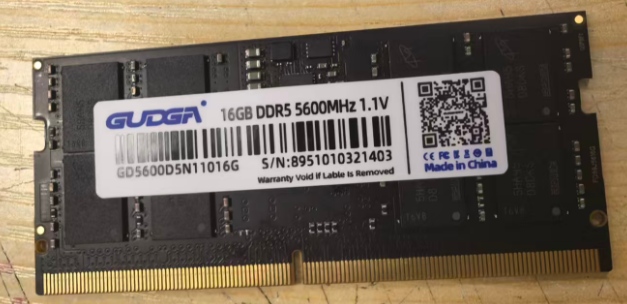
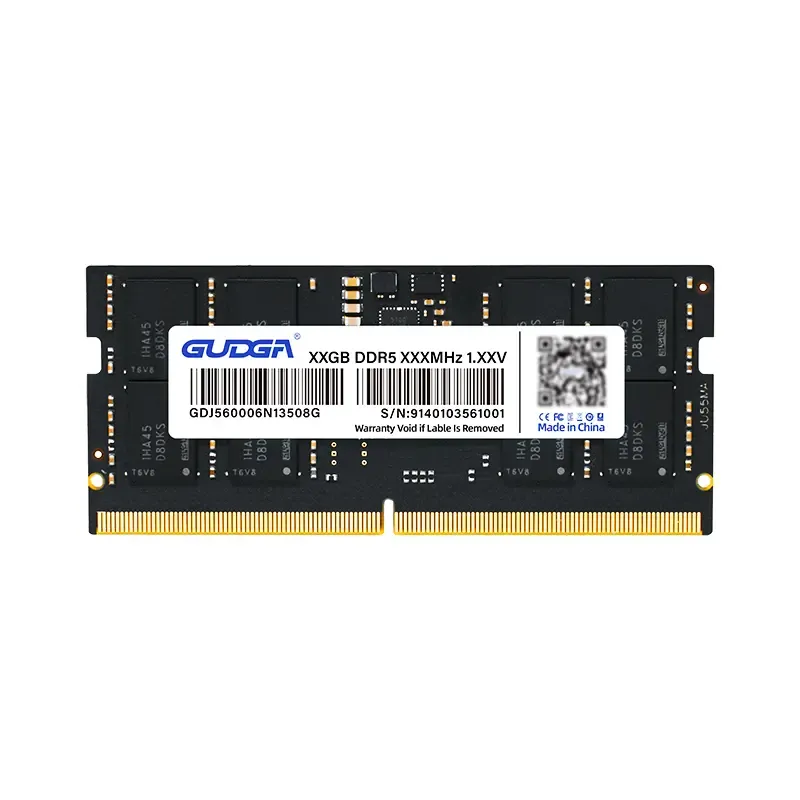
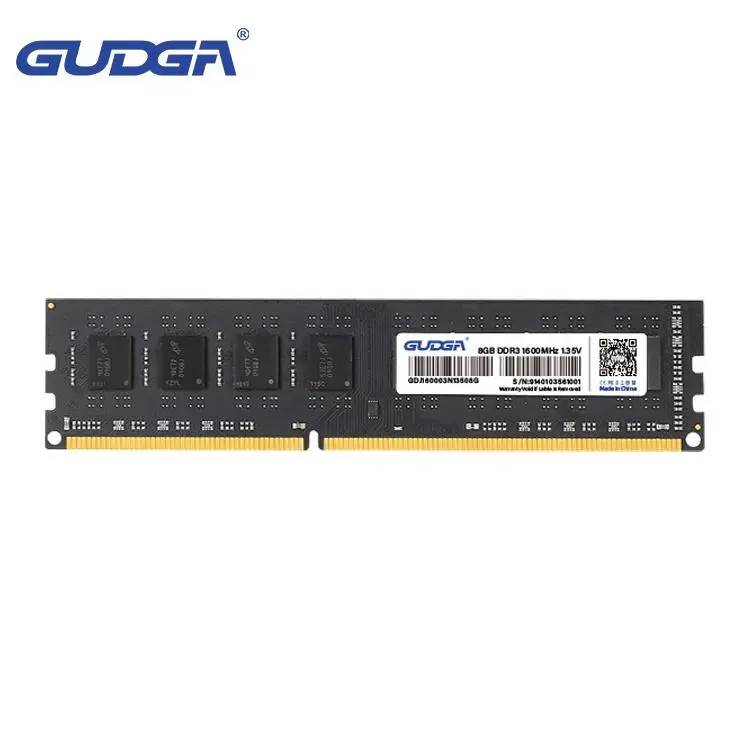
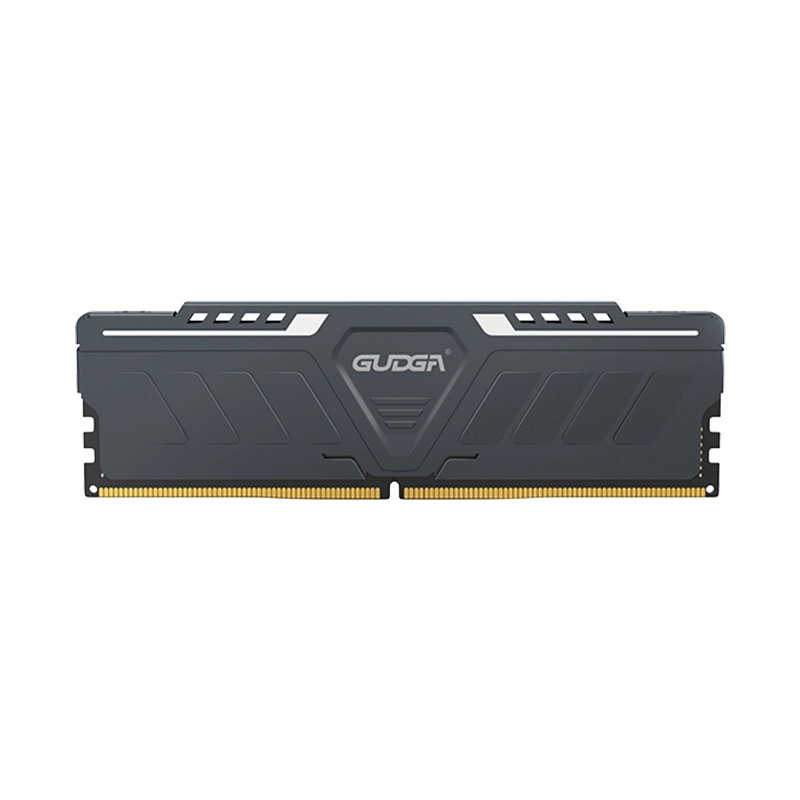
Form Factor: 288-pin UDIMM (Desktop)
Capacity: 16GB (8GB / 32GB available)
Speed: DDR5-5600 MHz (PC5-44800)
Voltage: 1.1V (JEDEC standard)
Timing: CL46 (JEDEC standard)
ECC: On-Die ECC (non-ECC module)
Warranty: 5-year replacement
MOQ: 10 pieces (sample orders accepted)
Available for OEM/ODM projects with custom labeling, frequency binning, and packaging. Manufactured in ISO 9001-certified facility with full SMT and testing lines.
Industry consensus is forming around a cautiously optimistic medium-to-long-term outlook, with a critical caveat: the tight supply situation for high-end memory is likely to persist through 2027, with DRAM experiencing more sustained supply-demand tension than NAND flash. As new NAND production capacity gradually comes online, supply-side pressure in the flash market is expected to emerge in the second half of 2027. DRAM, however, faces a different trajectory—the supply gap is projected to widen from -1.3% in 2026 to -4.6% in 2027, with the shortage peak occurring within 2027.
| Product Category | Q4 2026 Contract Price Trend | Supply Tightness Outlook |
|---|---|---|
| General-Purpose DRAM (DDR5/DDR4) | +10% to +15% QoQ | Tight through 2027; gap widening |
| Enterprise-Grade SSD | +20% or higher QoQ | Acute shortage; long lead times |
| NAND Flash (Overall) | +15% to +20% QoQ | Shortage easing H2 2027 |
| Consumer-Grade SSD | Under +5% QoQ | Price momentum weakening |
Original manufacturers maintain a clear strategy for price control. Although high price levels suppress downstream consumer demand, leading manufacturers generally hold low inventory and possess ample cash flow. They prefer to stabilize prices by adjusting the pace of shipments, with no incentive to initiate price cuts. For downstream module manufacturers and distributors, the persistently high cost of memory components is increasingly difficult to pass on to end-market brands. A trading model that relies solely on arbitrage—buying and selling components without value-added services—carries rising risks. In contrast, companies that secure stable, long-term contractual clients and offer customized solutions demonstrate greater resilience.
Need a reliable DDR5 supply partner for your 2027 procurement plan?
Request Factory Quotation & Allocation ScheduleWith the industry shifting from a pure capacity-cycle focus toward application-specific scenarios and integrated solutions, supplier selection criteria should evolve accordingly. Here are the factors that matter most for B2B buyers in the current environment:
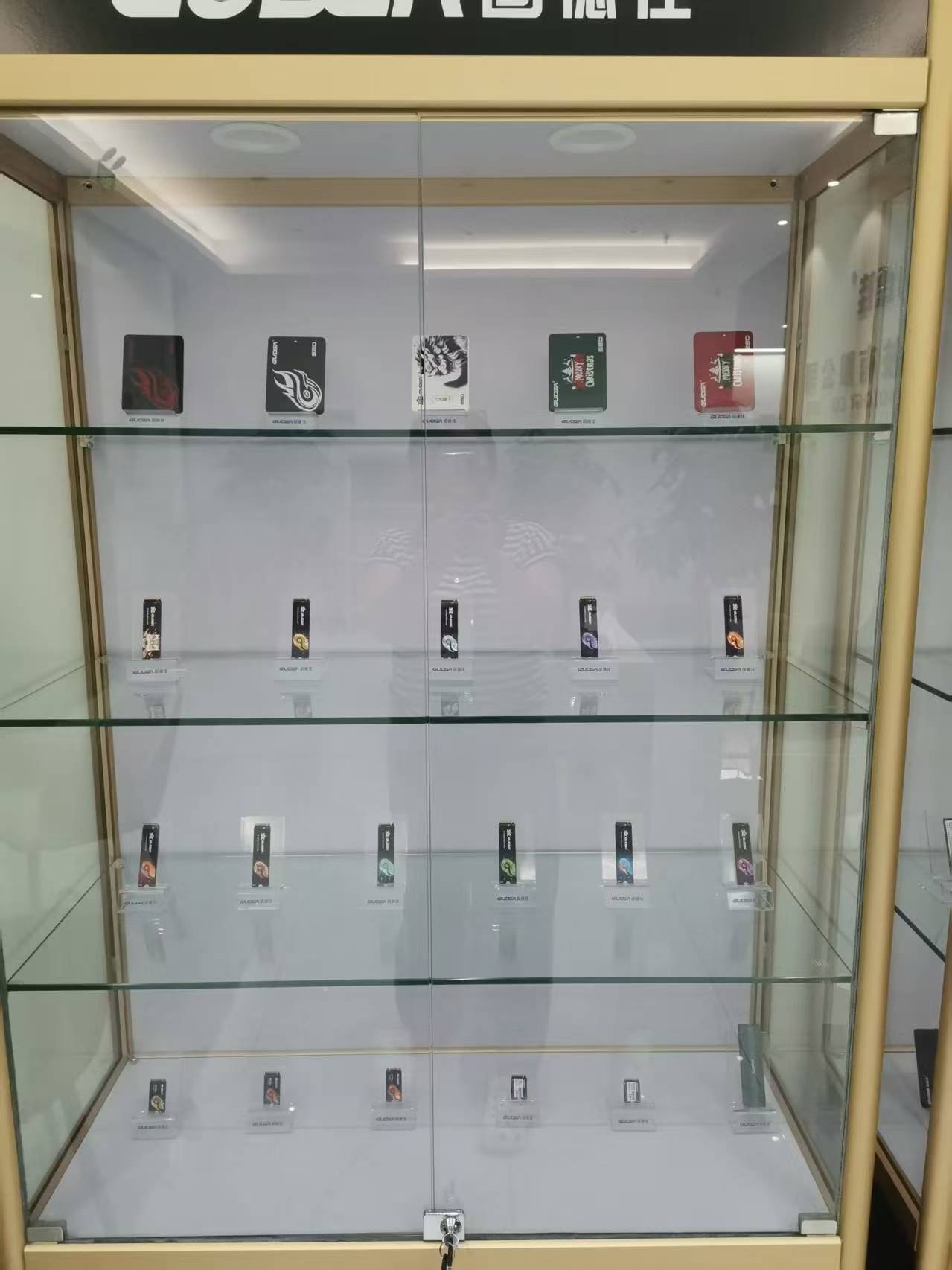
1. Manufacturing depth, not just trading capability. A supplier that controls its own SMT lines, IC testing equipment, and aging test processes can offer more predictable quality and lead times than a pure trader. Look for ISO 9001 certification and evidence of in-house firmware testing capabilities. You can review our factory profile and certifications for reference.
2. Product breadth aligned with where demand is actually growing. Consumer PC memory is a volume business with thin margins and weakening price momentum. The growth is in enterprise, industrial, automotive, and edge-AI segments. A supplier that understands these applications—and can support industrial temperature ranges, extended testing, and custom firmware—adds more value than one that only ships standard retail modules.
3. Long-term supply commitment. Ask potential partners how they are securing DRAM die allocation. Do they have direct relationships with original manufacturers, or are they dependent on spot-market purchases? The difference matters enormously when supply is tight. GUDGA’s DDR5 memory product line is backed by established wafer supply channels and a production planning process designed for B2B contract customers.
4. Customization and OEM/ODM capability. Whether you need custom SPD profiles, branded labeling, or specific packaging for your regional market, a factory with flexible production lines can accommodate these requirements without excessive minimum order quantities. Review our OEM/ODM service overview for details on customization options.
5. Track record with international clients. Export experience to North America, Europe, and Asia-Pacific markets implies familiarity with logistics, compliance documentation, and the quality expectations of diverse customer bases. GUDGA products are currently shipped to the United States, South Korea, Russia, Brazil, Peru, Australia, and Germany, among other markets.
Q: What is your minimum order quantity for DDR5 5600MHz modules?
A: Our standard MOQ is 10 pieces per capacity/speed combination. For OEM projects with custom labeling or firmware, we can discuss flexible arrangements based on your annual volume projections.
Q: Can you support mixed-capacity orders (8GB, 16GB, 32GB) in a single shipment?
A: Yes. Our production planning accommodates mixed SKU orders for contract customers. Please share your forecast so we can reserve capacity accordingly.
Q: What is the current lead time for bulk orders?
A: For standard configurations in stock, lead time is typically 5–7 working days. Customized orders or high-volume allocations may require 15–25 days depending on component availability. Given the current DRAM supply tightness, we recommend confirming your 2027 requirements early to secure production slots.
Q: Do you provide samples for qualification testing?
A: Yes. We support sample orders for engineering validation and compatibility testing. Sample lead time is typically 3–5 working days.
Q: What warranty and after-sales support do you offer?
A: GUDGA DDR5 modules carry a 5-year replacement warranty. For OEM partners, we can discuss extended warranty terms and RMA processes aligned with your customer service requirements.
Ready to discuss your DDR5 sourcing requirements?
Contact Our B2B Sales TeamSources: TrendForce Q4 2026 memory contract price projections; Citi research on DRAM/HBM supply dynamics; industry earnings reports from Longsys, BIWIN, and Netac; GUDGA factory documentation.