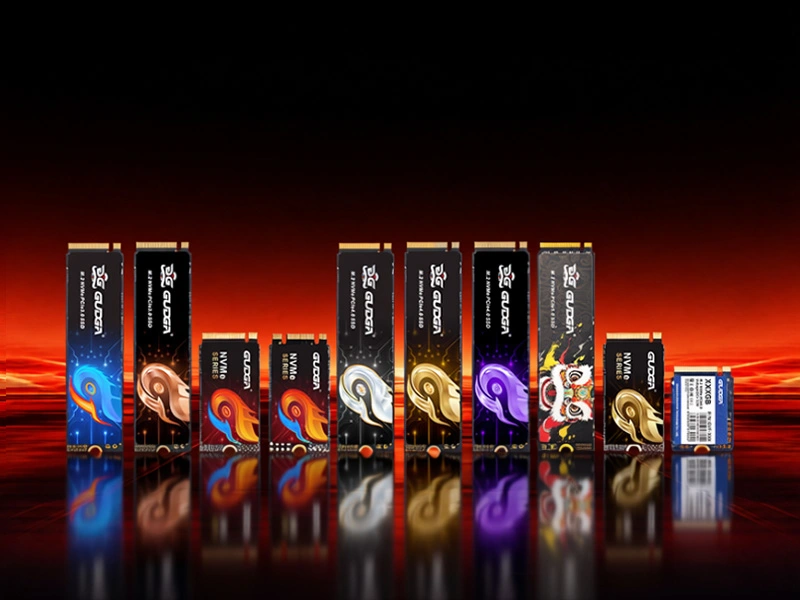
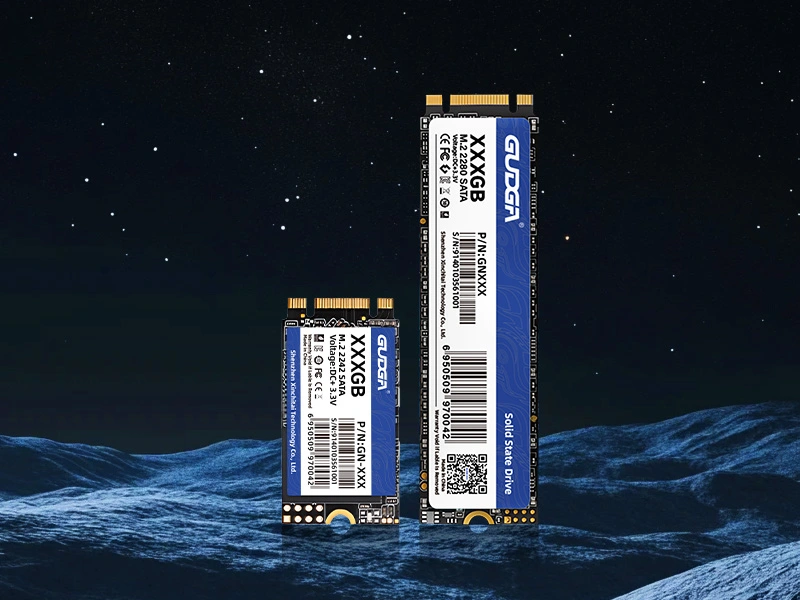
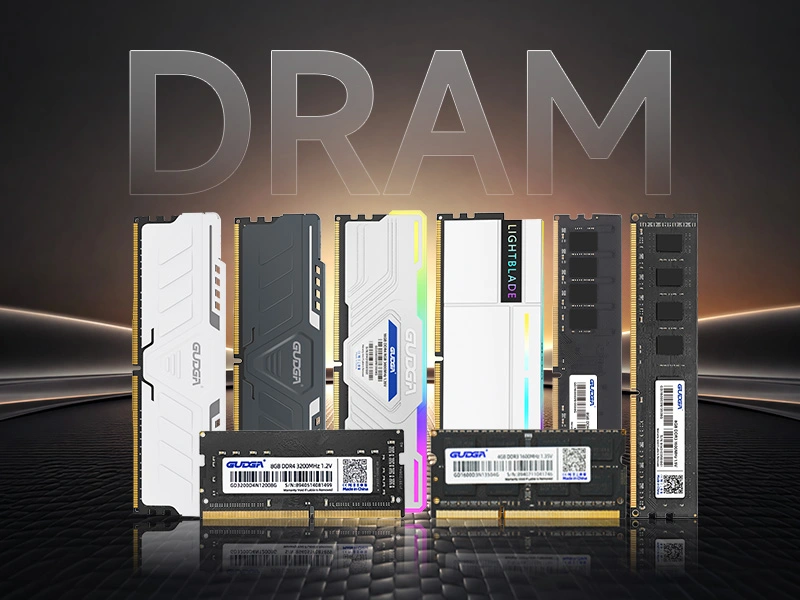
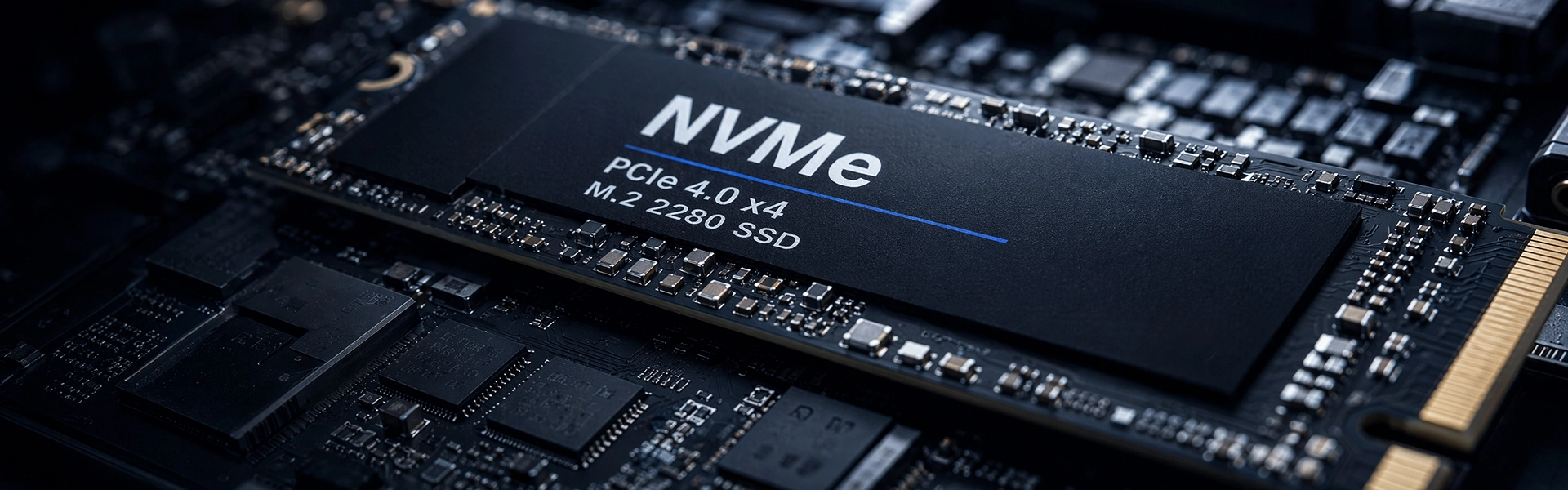
We regularly update industry technology trends, market analysis, new product launches and enterprise latest news related to M.2 NVME SSD, M.2 SATA SSD and Random Access Memory for global partners of GUDGA.
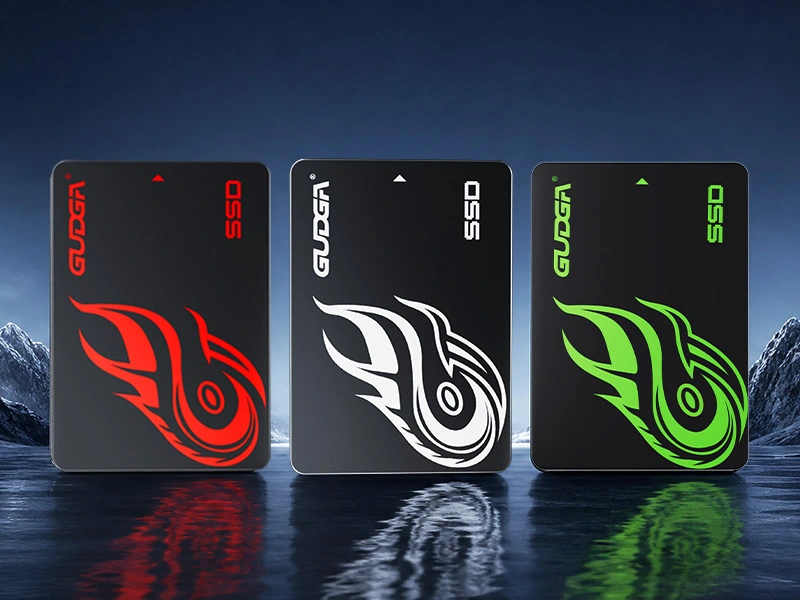
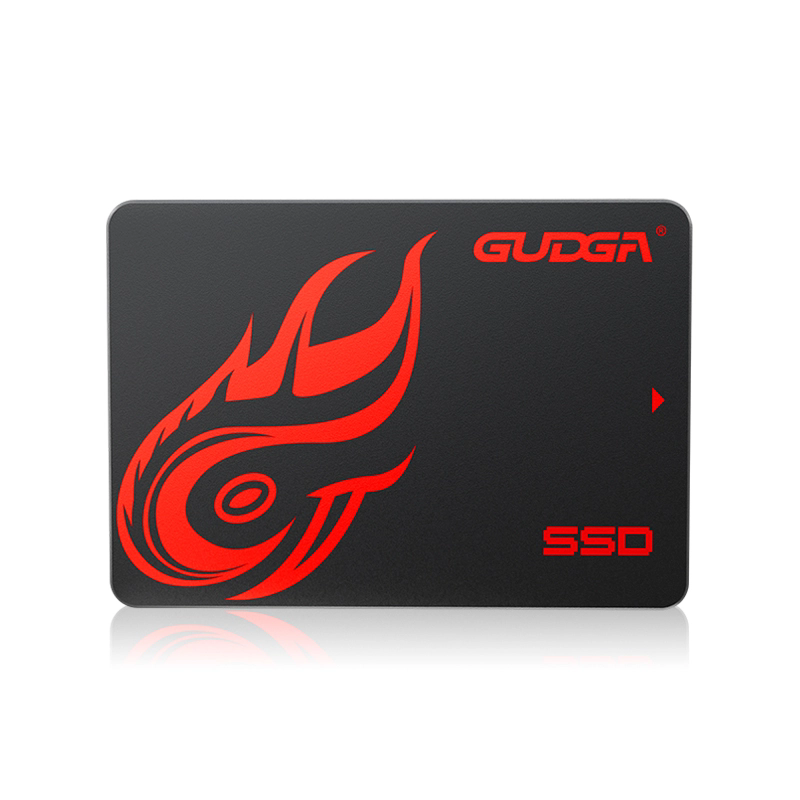
A 2.5 SATA SSD is one of the most practical ways to upgrade an older laptop, desktop computer, or compatible storage system without replacing the entire platform. By combining a compact 2.5-inch form factor with the mature SATA interface, this type of solid-state drive offers faster system response, lower power consumption, silent operation, and improved resistance to everyday vibration compared with traditional mechanical hard drives. This guide explains how a 2.5 SATA SSD works, what specifications matter, how to select the right capacity and performance level, and how GUDGA approaches compatibility, stability, and cost-effective storage for personal and commercial applications.
SHENZHEN, China – Aug 7, 2026 – GUDGA, the proprietary storage brand of Shenzhen Xinchitai Technology, officially launches its upgraded DDR4 RAM Memory with Cooling Vest. Shown in our authentic onsite photo, this memory features a full-wrap matte white aluminum cooling vest paired with brand-new genuine Samsung, SK Hynix and Micron DRAM chips, engineered to resolve overheating-induced throttling, crashes and blue screens for PC builders, hardware distributors and system integrators worldwide.
SHANGHAI, Aug 5 (Industry News) — ChangXin Memory Technologies (CXMT), China’s leading DRAM chip manufacturer, has completed its landmark IPO on Shanghai STAR Market, drawing wide-spread attention across the global semiconductor industry.
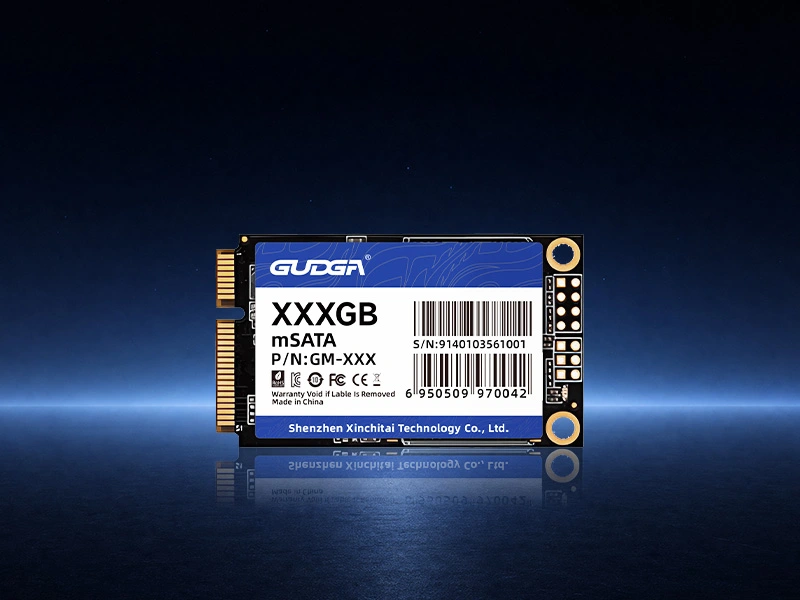
As digital applications continue to demand faster data access, higher reliability, and more compact storage solutions, traditional storage devices often struggle to meet the requirements of modern industrial and commercial systems. An mSATA SSD provides a practical solution by combining solid-state storage technology with a compact form factor designed for space-limited environments.
Santa Clara, Calif., Aug. 2, 2026 — The 20th Future of Memory and Storage Summit (FMS 2026) officially unveils its full conference agenda, with the core theme defining memory infrastructure as the indispensable backbone powering global generative AI development.
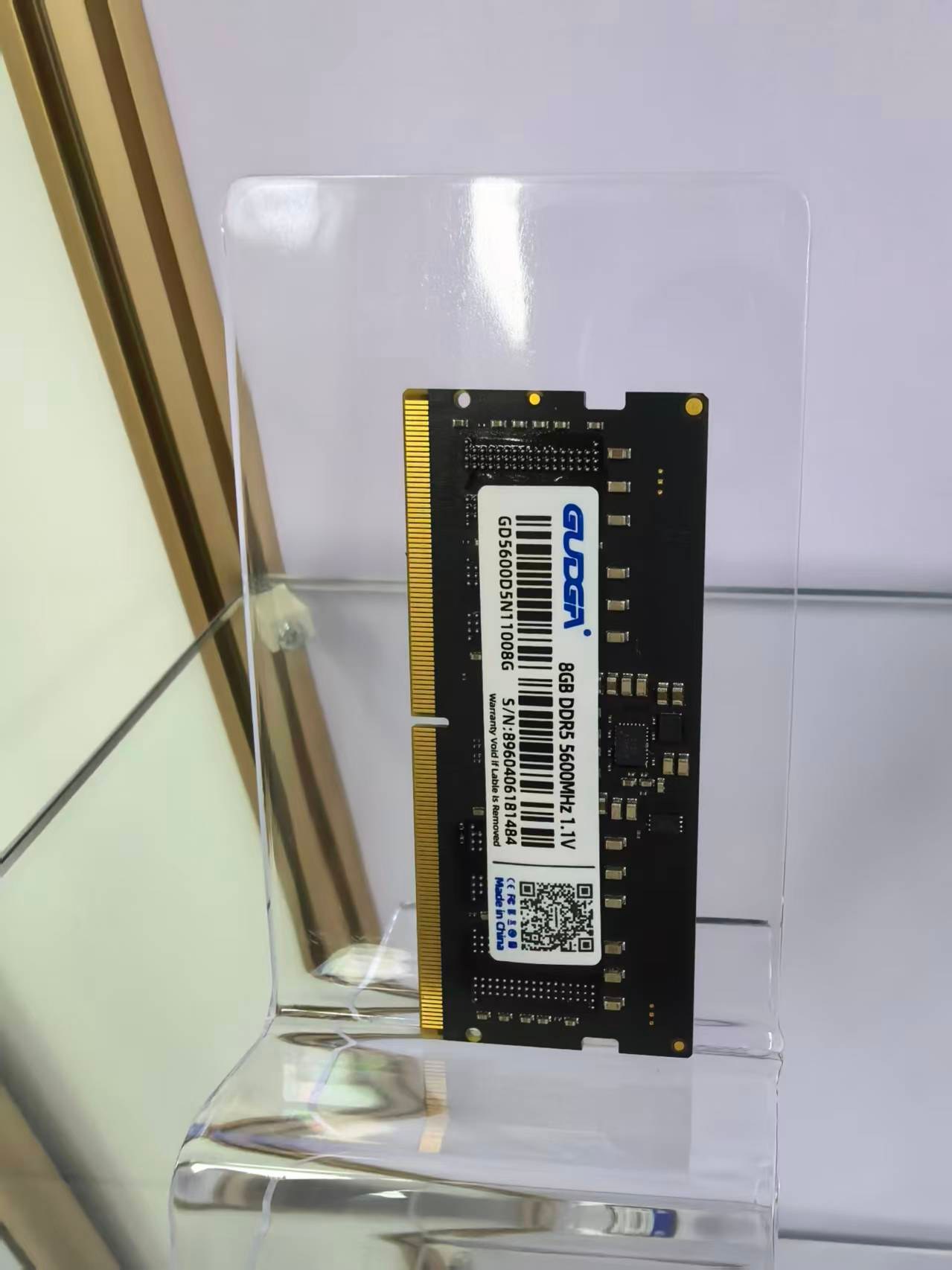
Recently, the global storage market has exhibited a significant structural divergence. Entering July 2026, consumer-grade SSD prices generally stabilized, with minimal fluctuations in end-market pricing and a relatively balanced supply and demand. Meanwhile, DDR5 memory prices continued their upward trend throughout the year, with monthly increases widening and year-on-year growth significantly increasing, becoming the biggest price variable in the storage industry. Industry analysts point out that the restructuring of production capacity driven by AI computing power and the mismatch between supply and demand are the core factors driving this polarization in the storage market. The industry has officially moved beyond the homogeneous cycle of widespread price increases and decreases, entering a new stage of structural divergence.
We use cookies to offer you a better browsing experience, analyze site traffic and personalize content. By using this site, you agree to our use of cookies. Privacy Policy